Choosing among the many types of wine can feel overwhelming when you’re faced with dozens of options, each with its own flavor profile, sweetness level and food pairing. From bold reds and crisp whites to sparkling and dessert wines, the variety can make it difficult to know which bottle fits your meal or occasion.
Learning the basics of common wine styles makes it easier to find the right bottle for dinner, entertaining or a casual night at home. If you’re short on time, you can have wine delivered through Instacart with the rest of your groceries. Below, we’ll break down the most popular wine types, explain what sets them apart and share simple tips for pairing them with food.
Understanding wine characteristics
If you’re new to exploring wine, labels and tasting descriptions may include terms that seem unfamiliar at first. Understanding a few wine definitions can help you better predict what different types of wine will taste like before you open a bottle:
Acidity: This describes the bright, mouthwatering sensation you experience when sipping a wine. Higher acidity often makes a wine taste crisp and refreshing, which is common in many white wines and lighter styles.
Tannins: These natural compounds create a drying sensation on the tongue and gums, similar to the feeling you get from strong black tea. They are most noticeable in red wines because tannins come from grape skins, seeds and stems during fermentation.
Body: This refers to the overall weight or richness of a wine in your mouth. A helpful comparison is milk. Light-bodied wines feel more like skim milk in your mouth, while full-bodied wines feel closer to whole milk or cream.
Aroma and notes: These terms describe the scents and flavor impressions you may notice when smelling or tasting a wine. When a wine is described as having “notes of cherry” or “hints of vanilla,” it means the wine naturally gives off those aromas or flavors rather than containing added ingredients.
Sweetness (dry vs. sweet): This refers to how much natural grape sugar remains in the wine after fermentation. Dry wines contain little to no residual sugar, while sweeter wines retain more natural sweetness.
Main types of wine
Wine is commonly grouped into several broad categories based on color, production method and sweetness level. Understanding these main wine styles can make it easier to navigate the wine aisle and choose a bottle that fits your meal or occasion.
The most common wine categories include:
Red wine: Made from dark-colored grapes and fermented with the grape skins, which gives the wine its deep color and tannins.
White wine: Typically made from green or yellow grapes, though some styles are produced from red grapes with the skins removed.
Rosé: Produced from red grapes but with limited skin contact during fermentation, resulting in a light pink color and fresh fruit flavors.
Sparkling wine: Wines that contain bubbles created through fermentation, creating a lively texture and crisp mouthfeel.
Dessert wine: Sweet wines are often served after a meal. These wines include styles such as Port, Sherry and Sauternes.
Fruit wine: While most wines are made from different types of wine grapes, there are also fruit-based wines crafted from ingredients like berries or apples.
Types of red wine
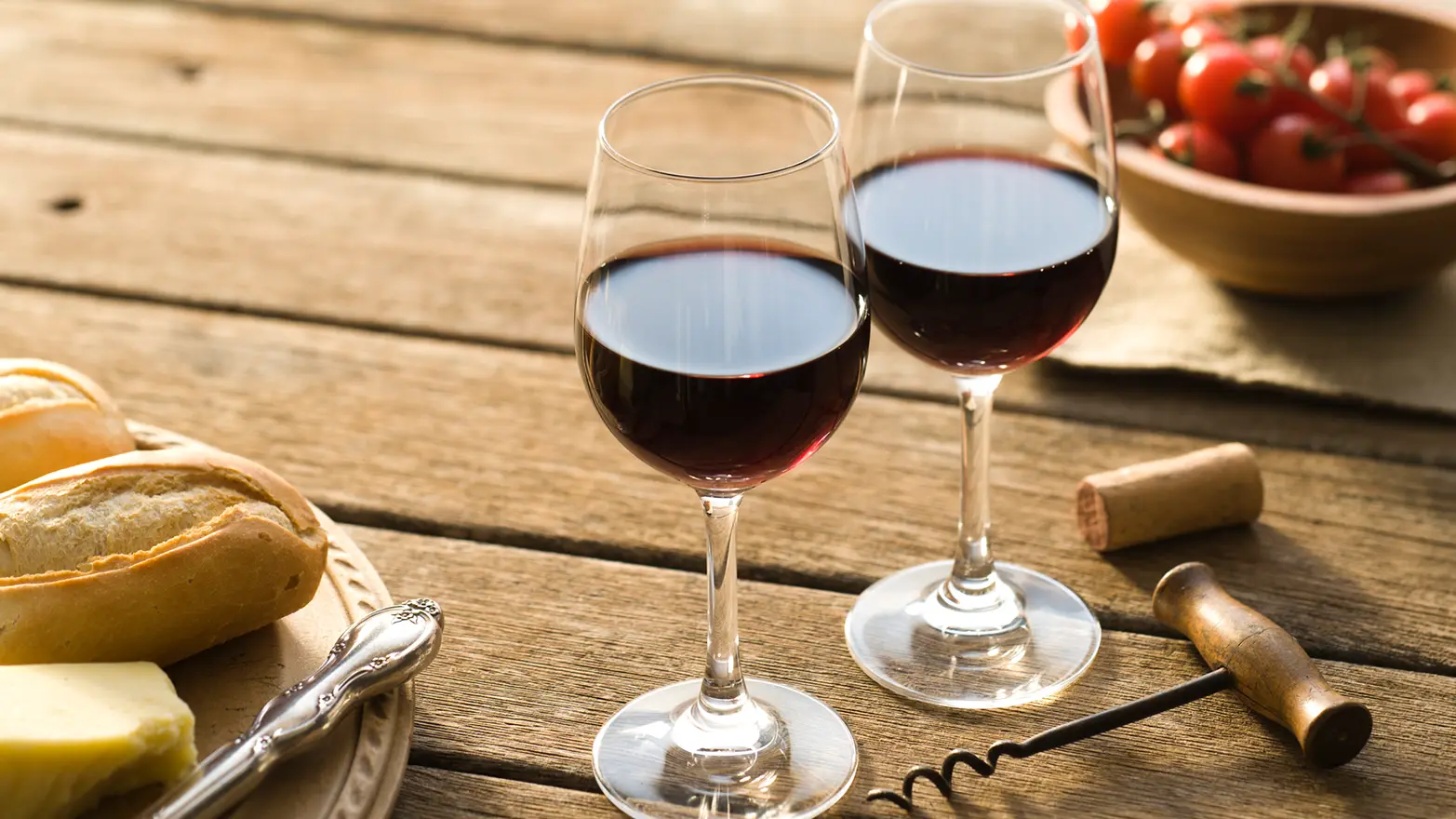
Red wine includes a wide range of styles, from light and silky to bold and full-bodied. Most are dry, but their body, tannins and flavor profiles can vary widely. The varieties below highlight some of the most widely recognized types of red wine and what makes each one distinctive.
Type | Body | Flavor profile | Best pairing |
Cabernet Sauvignon | Full-bodied | Black currant, blackberry, cedar, spice | Rib-eye steak, burgers, grilled lamb |
Merlot | Medium- to full-bodied | Plum, black cherry, cocoa, soft spice | Roast chicken, meatballs, mushroom dishes |
Pinot Noir | Light- to medium-bodied | Cherry, raspberry, earth, mushroom | Salmon, roast chicken, duck |
Syrah/Shiraz | Full-bodied | Blackberry, pepper, smoke, dark fruit | Barbecue, grilled sausages, braised beef |
Malbec | Medium- to full-bodied | Plum, blackberry, cocoa, violet | Lean steak, burgers, grilled vegetables |
1. Cabernet Sauvignon
Profile: Full-bodied, high tannins
Primary regions: Bordeaux (France), Napa Valley and Sonoma (California), Maipo Valley (Chile), Margaret River (Australia)
Flavor notes: Black currant, blackberry, cedar, spice
Ideal pairing: Ribeye steak, grilled lamb
Cabernet Sauvignon is widely recognized for its structure and depth, making it one of the most popular red wines around the world. The grape’s thick skins contribute to its deep color and firm tannins, which give the wine a bold, powerful character.
Because of that structure, Cabernet Sauvignon works best with hearty dishes that can match its intensity. Grilled steaks, lamb chops, burgers and other rich meat dishes balance the wine’s tannins and allow its dark fruit flavors to shine.
2. Merlot
Profile: Medium- to full-bodied, smooth tannins
Primary regions: Bordeaux (France), Napa Valley (California), Columbia Valley (Washington), Central Valley (Chile)
Flavor notes: Plum, black cherry, cocoa, soft herbs
Ideal pairing: Meatballs, roast chicken, mushroom dishes
Softer tannins and a rounded texture give Merlot its easy-drinking reputation. Compared with more structured red wines, it tends to feel smooth and balanced on the palate, which makes it easy to enjoy, even for those who are new to red wine.
Because of its balanced character, this variety works well in many everyday meal settings. It’s a reliable choice when serving comfort foods, roasted poultry, meatballs or simple weeknight dishes where you want a red wine that complements the meal without overpowering it.
3. Pinot Noir
Profile: Light- to medium-bodied, low tannins
Primary regions: Burgundy (France), Willamette Valley (Oregon), Sonoma Coast (California), Central Otago (New Zealand)
Flavor notes: Cherry, raspberry, earth, mushroom
Ideal pairing: Salmon, roast chicken, duck
Among red wines, Pinot Noir is known for its lighter structure and elegant style. Its lower tannins and brighter acidity create a smoother, more delicate drinking experience compared with fuller-bodied reds.
That balance makes it one of the most versatile red wines for food pairing. It works well with dishes that might overwhelm lighter white wines but feel too subtle for heavier reds, making it a natural match for many seafood and poultry dishes, including salmon and roast chicken.
4. Syrah/Shiraz
Profile: Full-bodied, moderate to high tannins
Primary regions: Rhône Valley (France), Barossa Valley (Australia), Paso Robles (California), Columbia Valley (Washington)
Flavor notes: Blackberry, black pepper, smoke, dark plum
Ideal pairing: Barbecue, grilled sausages, braised beef
The names Syrah and Shiraz refer to the same grape, but the labeling often reflects regional style differences. Wines labeled Syrah are typically associated with France and tend to emphasize savory and peppery characteristics. Shiraz wines are from Australia and often lean toward a richer, fruit-forward expression.
Regardless of the label, this variety is known for producing bold wines with depth and intensity. Its robust structure pairs especially well with smoky barbecue, sausages or slow-cooked dishes where strong flavors complement the wine’s richness.
5. Malbec
Profile: Medium- to full-bodied, moderate tannins
Primary regions: Mendoza (Argentina), Cahors (France), Paso Robles (California), Colchagua Valley (Chile)
Flavor notes: Plum, blackberry, cocoa, violet
Ideal pairing: Lean steak, burgers, grilled vegetables
Recognizable for its deep purple color, Malbec produces richly colored wines with a smooth, plush texture. Originally from France, the grape gained global popularity through Argentina, where it thrives in high-altitude vineyards.
Its bold color and approachable structure make it a popular choice for grilled foods. Many wine drinkers enjoy Malbec alongside lean steak and other savory dishes, where the wine’s fruit-forward character and moderate tannins create a balanced pairing.
Types of white wine
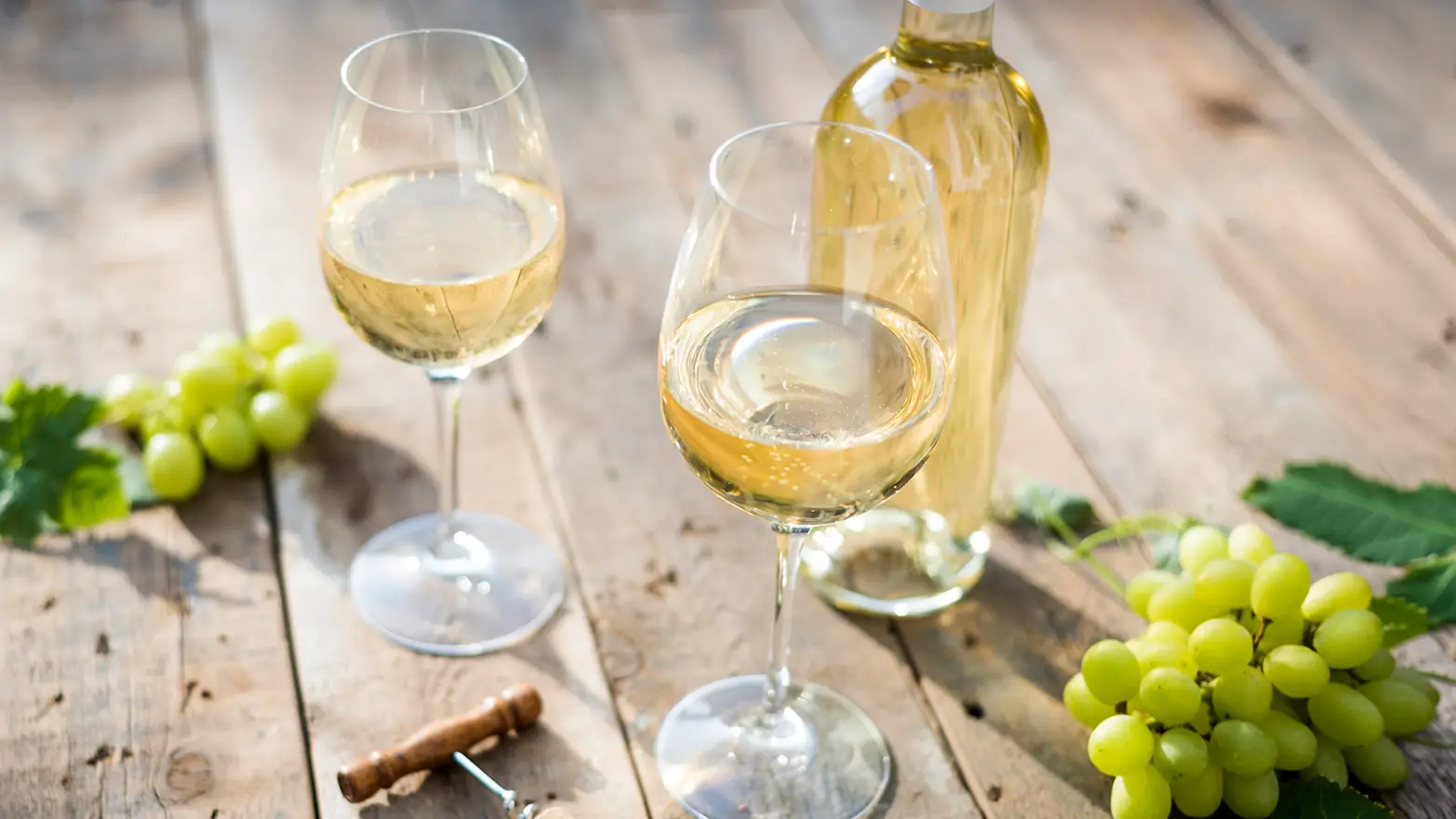
From bright and refreshing to rich and layered, white wines offer a wide spectrum of styles. Some are crisp and dry, while others lean sweeter and more aromatic. Getting familiar with the basics of white wine can make it easier to understand the differences between different varieties and select a bottle that fits your meal or occasion.
Type | Body | Flavor profile | Best pairing |
Chardonnay | Medium- to full-bodied | Apple, citrus, vanilla, butter (usually dry) | Roast chicken, creamy pasta, seafood |
Sauvignon Blanc | Light- to medium-bodied | Citrus, green apple, herbs, grapefruit (dry and crisp) | Salads, goat cheese, seafood |
Pinot Grigio | Light-bodied | Green apple, pear, lemon (light and dry) | Light pasta, seafood, salads |
Riesling | Light- to medium-bodied | Peach, apricot, citrus, floral (dry to sweet) | Spicy cuisine, pork, Asian dishes |
Moscato | Light-bodied | Peach, orange blossom, honey (sweet) | Fruit desserts, pastries, light cheeses |
6. Chardonnay
Profile: Medium- to full-bodied, moderate acidity
Primary regions: Burgundy (France), Napa Valley and Sonoma (California), Margaret River (Australia), Casablanca Valley (Chile)
Flavor notes: Apple, citrus, vanilla, butter
Ideal pairing: Roast chicken, creamy pasta, seafood
One of the most popular types of dry white wine, Chardonnay is a widely planted white wine grape that can produce very different styles depending on how it is produced. Wines aged in oak barrels often develop a richer texture with buttery notes, while those fermented in stainless steel tanks tend to highlight brighter fruit flavors and a crisper finish.
These stylistic differences give Chardonnay remarkable versatility. Fuller, oak-aged versions pair well with richer dishes such as creamy pasta or roasted poultry, while lighter styles complement seafood and simple vegetable dishes.
7. Sauvignon Blanc
Profile: Light- to medium-bodied, high acidity
Primary regions: Loire Valley (France), Marlborough (New Zealand), Napa Valley (California), Casablanca Valley (Chile)
Flavor notes: Citrus, green apple, herbs, grapefruit
Ideal pairing: Salads, goat cheese, seafood
Bright acidity is the hallmark of this refreshing white wine. The grape often produces vibrant wines with lively aromas and a crisp finish that feels especially refreshing in warm weather.
Because of its fresh, zesty character, this variety pairs naturally with lighter foods. It complements dishes such as green salads, goat cheese and simple seafood preparations where the wine’s acidity keeps the flavors feeling balanced.
8. Pinot Grigio
Profile: Light-bodied, crisp acidity
Primary regions: Alto Adige and Friuli (Italy), Alsace (France), Willamette Valley (Oregon), California
Flavor notes: Green apple, pear, lemon
Ideal pairing: Light pasta, seafood, salads
Light, crisp and easy to drink, this variety is often chosen for its refreshing character. The bright acidity and subtle fruit character of Pinot Grigio make it approachable and well-suited to casual occasions.
Its delicate profile works best with lighter meals, where the wine will not overpower the food. Simple seafood dishes, salads and light pasta preparations tend to pair especially well.
9. Riesling
Profile: Light- to medium-bodied, high acidity
Primary regions: Mosel and Rheingau (Germany), Alsace (France), Columbia Valley (Washington), Finger Lakes (New York)
Flavor notes: Peach, apricot, citrus, floral
Ideal pairing: Spicy cuisine, pork, Asian dishes
Few white wines offer as much stylistic range as Riesling. Depending on how it is produced, it can vary from bone-dry to richly sweet while still maintaining its signature bright acidity.
That balance of sweetness and acidity makes it especially effective alongside spicy foods. The wine’s natural freshness helps temper heat while enhancing flavorful dishes such as pork,Thai curry or Korean barbecue.
10. Moscato
Profile: Light-bodied, low alcohol
Primary regions: Asti (Italy), Piedmont (Italy), California, Victoria (Australia)
Flavor notes: Peach, orange blossom, honey
Ideal pairing: Fruit desserts, pastries, light cheeses
Often recognized for its gentle sweetness and floral aromas, Moscato is a light and widely appealing white wine. Many versions are slightly sparkling, which adds a lively texture and enhances their refreshing character.
Because of its sweetness and lower alcohol content, it is commonly enjoyed as a dessert wine. It pairs especially well with fruit desserts or pastries where the wine’s soft peach and honey notes echo the flavors in the dish.
Grab it now on Instacart


Types of rosé and sparkling wine
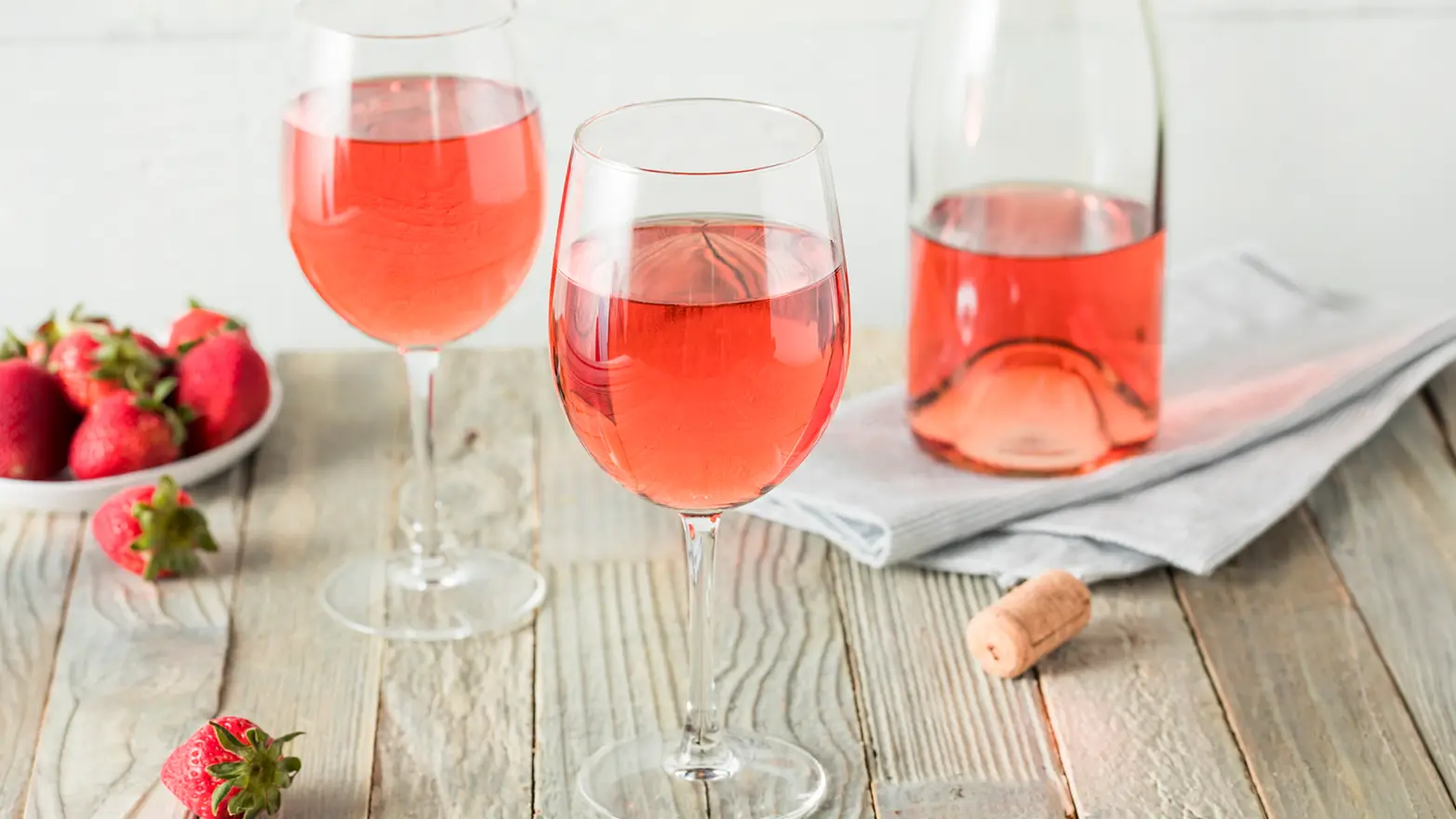
Rosé wine and sparkling wines add a refreshing contrast to still wines, offering bright acidity and lively flavors. These styles may be dry or sweet, making them versatile choices for celebrations, brunch and warm-weather meals.
Type | Body | Flavor profile | Best pairing |
Dry rosé | Light- to medium-bodied | Strawberry, citrus, watermelon (dry and crisp) | Salads, seafood, grilled vegetables |
Champagne | Light- to medium-bodied | Citrus, apple, brioche (usually dry) | Oysters, fried foods, soft cheeses |
Prosecco | Light-bodied | Pear, green apple, floral (often off-dry to lightly sweet) | Brunch dishes, light appetizers, fruit |
11. Dry rosé
Profile: Light- to medium-bodied, crisp acidity
Primary regions: Provence (France), Rioja (Spain), California, Veneto (Italy)
Flavor notes: Strawberry, citrus, watermelon
Ideal pairing: Salads, seafood, grilled vegetables
The pink color of rosé comes from red grapes, but unlike red wine, the juice stays in contact with the skins for only a short time. Some varieties are made using limited skin contact, while others may use the saignée method, in which some juice is drawn off early in the red winemaking process to create a more concentrated red and a separate rosé.
Dry rosé is known for its crisp finish and refreshing character rather than noticeable sweetness. Served chilled, it pairs especially well with lighter meals and warm-weather dishes, such as salads and grilled vegetables, making it a flexible option for casual lunches and summer gatherings.
12. Champagne
Profile: Light- to medium-bodied, high acidity
Primary regions: Champagne (France)
Flavor notes: Citrus, apple, brioche
Ideal pairing: Oysters, fried foods, soft cheeses
Champagne is made using the traditional method of bottle fermentation, in which the second fermentation that creates the bubbles happens inside the bottle. This process contributes to its fine bubbles and complex character, often adding toasty or yeasty notes over time.
Of all the types of sparkling wine, only the sparkling wine produced in the Champagne region of France can legally use the name Champagne. Most styles are dry, which helps explain why Champagne works so well with dishes such as oysters and fried foods, making it equally suited to celebrations and the dinner table.
13. Prosecco
Profile: Light-bodied, lively acidity
Primary regions: Veneto and Friuli Venezia Giulia (Italy)
Flavor notes: Pear, green apple, floral
Ideal pairing: Brunch dishes, light appetizers, fruit
Compared with Champagne, Prosecco is often more approachable and fruit-forward. It is typically made using the tank method, which helps preserve its fresh, floral character and keeps the style light and easy to enjoy.
Many bottles taste slightly sweeter than Champagne, even when they remain bright and refreshing. That easygoing profile is one reason Prosecco is a classic base for mimosas and a popular choice for casual summer cocktails.
Types of dessert wine
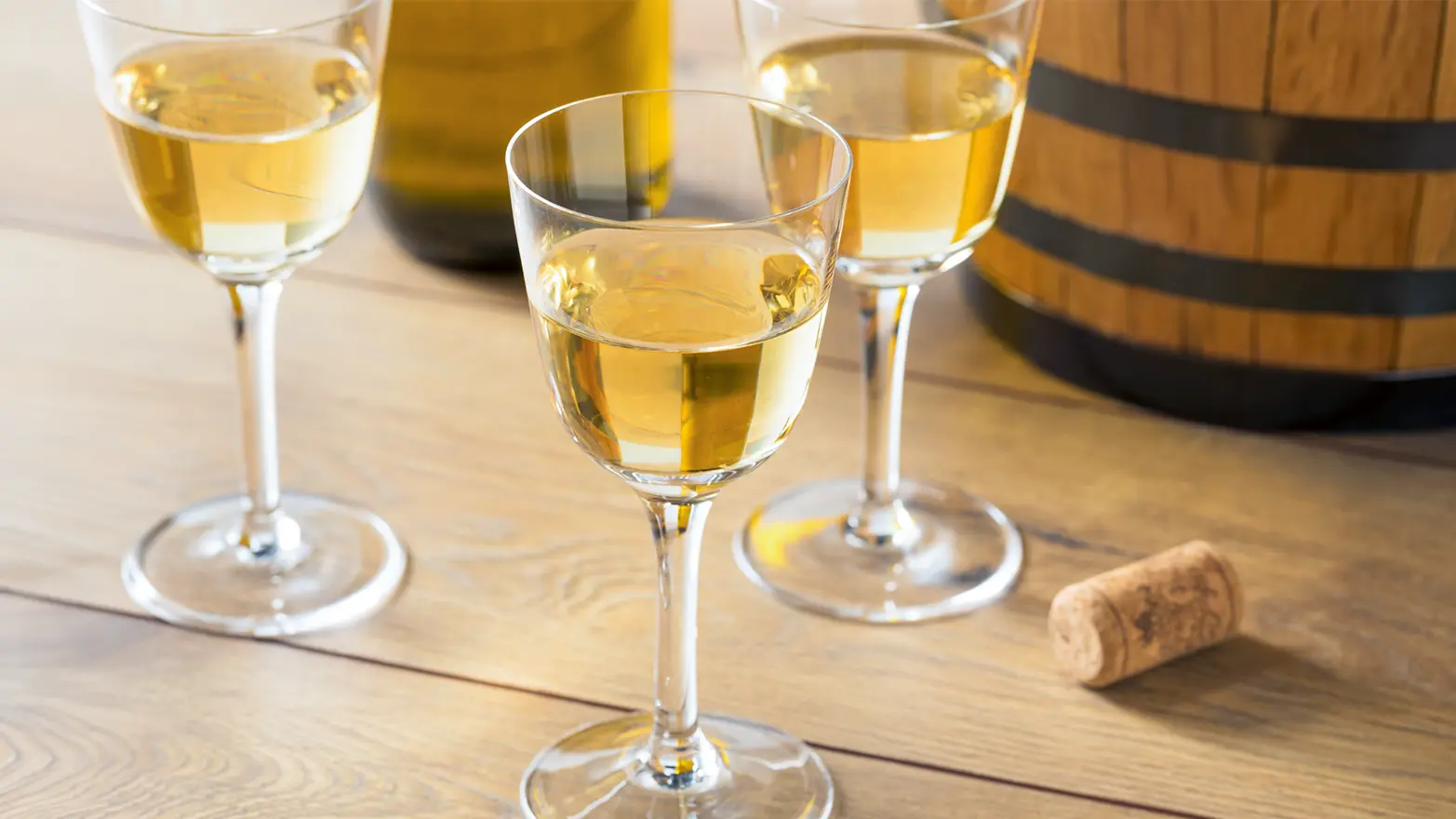
Dessert wines are typically richer, sweeter and more concentrated than many other wine styles. These types of sweet wines are usually served in smaller pours and can bring added depth to a meal, whether paired with dessert, cheese or enjoyed on their own.
Type | Body | Flavor profile | Best pairing |
Port | Full-bodied | Blackberry, plum, chocolate, spice (sweet and rich) | Blue cheese, chocolate desserts, nuts |
Sherry | Medium- to full-bodied | Caramel, dried fruit, toffee, nuts (dry to sweet, depending on style) | Pastries, caramel desserts, aged cheese |
Sauternes | Full-bodied | Apricot, honey, peach, citrus (sweet and luscious) | Fruit tarts, foie gras, blue cheese |
14. Port
Profile: Full-bodied, sweet, high alcohol
Primary regions: Douro Valley (Portugal)
Flavor notes: Blackberry, plum, chocolate, spice
Ideal pairing: Blue cheese, chocolate desserts, nuts
Port is a fortified wine, which means additional alcohol is added during production. That process stops fermentation early, leaving behind natural sweetness and creating a richer wine with a higher alcohol content than most table wines.
This fuller, sweeter style is often served after dinner in small glasses. Its concentrated character makes it a natural match for chocolate desserts, strong cheeses and other rich foods.
15. Sherry
Profile: Medium- to full-bodied
Primary regions: Jerez de la Frontera (Andalusia, Spain)
Flavor notes: Caramel, dried fruit, toffee, nuts
Ideal pairing: Pastries, caramel desserts, aged cheese
Sherry includes a wide range of styles, from very dry to richly sweet. In dessert settings, cream Sherry and other sweeter versions are especially popular because they offer a smooth texture and deeper caramel-like flavors.
Produced in southern Spain, Sherry develops its character through aging methods that can create layered nutty and dried fruit notes. Sweeter styles work well with pastries, caramel desserts and cheese plates.
16. Sauternes
Profile: Full-bodied, high acidity
Primary regions: Bordeaux, France
Flavor notes: Apricot, honey, peach, citrus
Ideal pairing: Fruit tarts, foie gras, blue cheese
Sauternes is a French dessert wine from the Bordeaux region known for its sweetness and complexity. It is often made from grapes affected by noble rot, a beneficial fungus that concentrates the sugars and flavors in the fruit.
Despite its richness, Sauternes usually retains enough acidity to feel balanced rather than heavy. That combination of sweetness and freshness makes it a classic pairing for fruit-based desserts, blue cheese and even savory dishes such as foie gras.
How to choose the right wine

Selecting the right bottle doesn’t have to feel intimidating. A few simple guidelines can help you narrow your options and choose a wine that complements your meal or occasion.
When planning your meal and browsing on Instacart, it helps to think about the flavors and ingredients you’ll be cooking with. Wine pairings are all about balance — lighter dishes pair well with lighter wines, while richer foods can handle fuller-bodied styles.
Ultimately, the best wine is the one you enjoy drinking. With so many styles available, experimenting with different varieties can help you discover the flavors and pairings you like best. Keep these tips in mind when choosing a bottle:
Consider the weight of the food: Light dishes like salads or seafood usually pair well with lighter wines, while richer meals such as steak or creamy pasta often match fuller-bodied wines.
Use acidity to cut through fat: Wines with bright acidity can balance rich foods like fried dishes, buttery sauces or creamy cheeses.
Balance spice with a hint of sweetness: Slightly sweeter wines can help soften the heat of spicy foods and bring balance to bold flavors.
Consider the sauce, not just the protein: A tomato-based sauce, creamy sauce or herb-forward preparation can influence the best wine choice as much as the main ingredient.
Don’t ignore the everyday occasion: Wine doesn’t have to be reserved for special events. Whether you're looking for romantic dinner ideas or for ways to elevate a solo weeknight meal, choosing a bottle you love can turn an ordinary dinner into something a little more special.
Wine types FAQ
Still have questions about different types of wine? Find answers below.
What are the most popular types of wine?
Some of the most popular types of wine include red varieties like Cabernet Sauvignon, Merlot and Pinot Noir, along with white wines such as Chardonnay, Sauvignon Blanc and Pinot Grigio. Sparkling wines like Champagne and Prosecco are also widely enjoyed for special occasions. These styles are commonly found in grocery stores and wine shops.
What’s the difference between dry and sweet wine?
The difference between dry and sweet wine is how much natural grape sugar remains after fermentation. Dry wines contain very little residual sugar, while sweet wines retain more of the grape’s natural sweetness. Some wines, like Riesling, can fall anywhere along the spectrum depending on how they are produced.
How long does wine last after opening?
Most wines stay fresh for about three to five days after opening if they are sealed and stored in the refrigerator. Sparkling wines typically last one to three days once opened because the bubbles gradually fade. Using a wine stopper can help preserve flavor and freshness a little longer.
What’s the best wine for beginners?
For beginners, wines with smooth textures and balanced flavors are often the easiest to enjoy. Merlot, Pinot Grigio and Moscato are good starting points — they tend to have smooth textures, approachable flavors and lower tannins, which makes them less polarizing for new palates. Trying a few different styles is the best way to figure out what you like.
Find the perfect bottle for every meal on Instacart
As you learn more about wine, pairing it with your meal or occasion becomes more intuitive, allowing you to bring out the best in both the food and the glass. From bold reds to crisp whites and celebratory sparkling wines, exploring different types of wine can help you choose a bottle with confidence that enhances the overall experience.
When you're ready to order, Instacart alcohol delivery makes it easy to get wine without an extra trip to the store. Delivery is available in many areas, though availability and local regulations vary by location. Please note that age verification (21+) is required at the time of delivery.