Seasonal flower options:
|
Whether you’re looking for a gift for Valentine’s Day, the perfect centerpiece for your wedding, or something to show a loved one you care, seasonal flowers can help beautify spaces and make unforgettable memories shine.
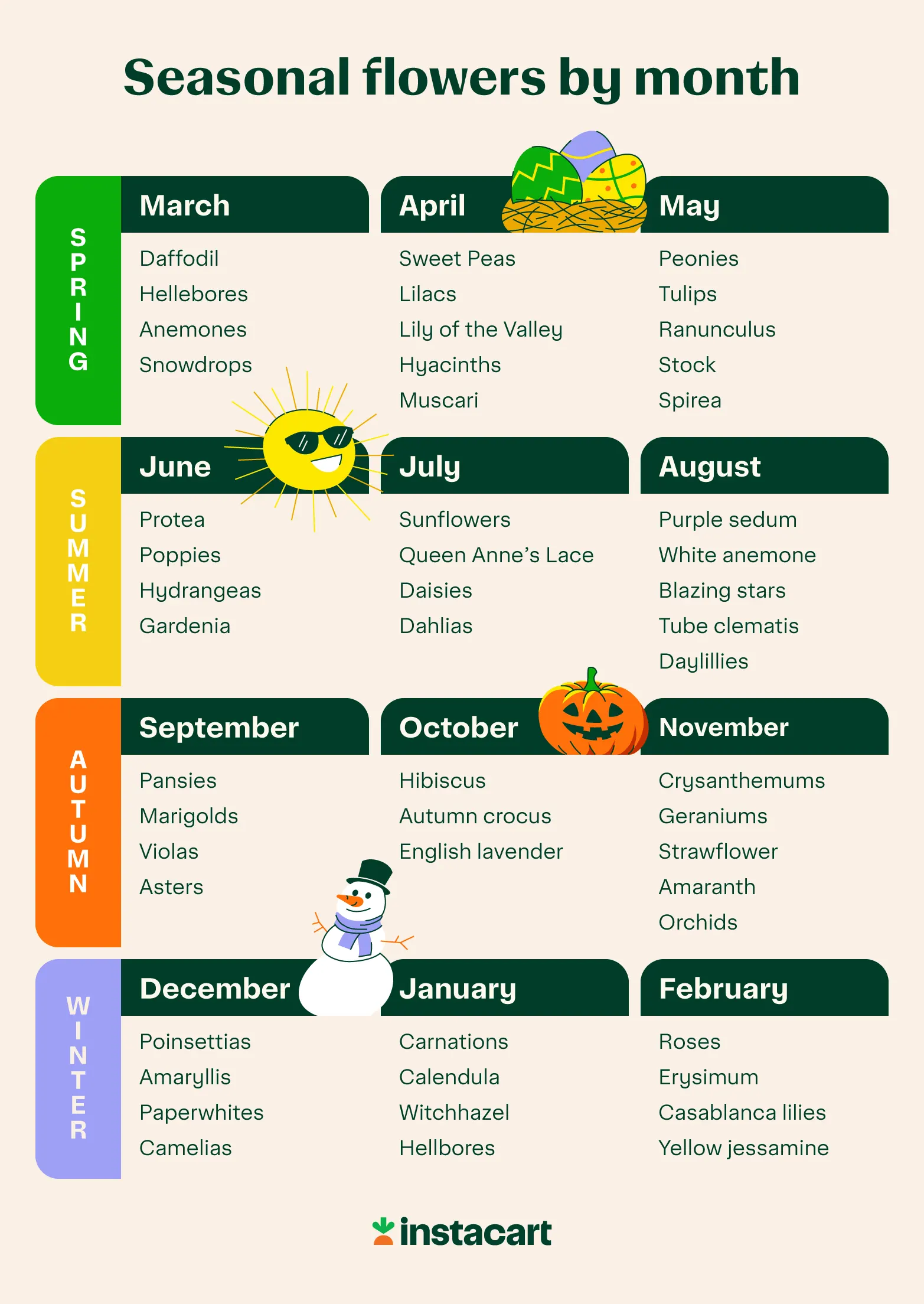
But not all flowers are available year-round, and the perfect one might have a shorter seasonal window than you think. Pick the perfect flowers for your event or occasion with our seasonal guide to cut flowers, broken down by month, color, and appropriate occasions, so it's easy to find whenever you’re reading this.
Sweet Peas | Proteas | Pansies | Paperwhites |
Lilacs | Queen Anne’s Lace | Hibiscus | Carnations |
Peonies | Purple sedum | Geraniums | Erysimum |
In-season spring flowers
Spring is the peak growth season for flowers, offering a wide variety with colorful petals and shapes. The beautiful weather is why this time of year is so popular for weddings.
March
March is a transition period for flowers as we go from cold to warm temperatures. As long as we don’t get a rogue cold front, heartier flowers should be available in droves. Some beautiful options include:
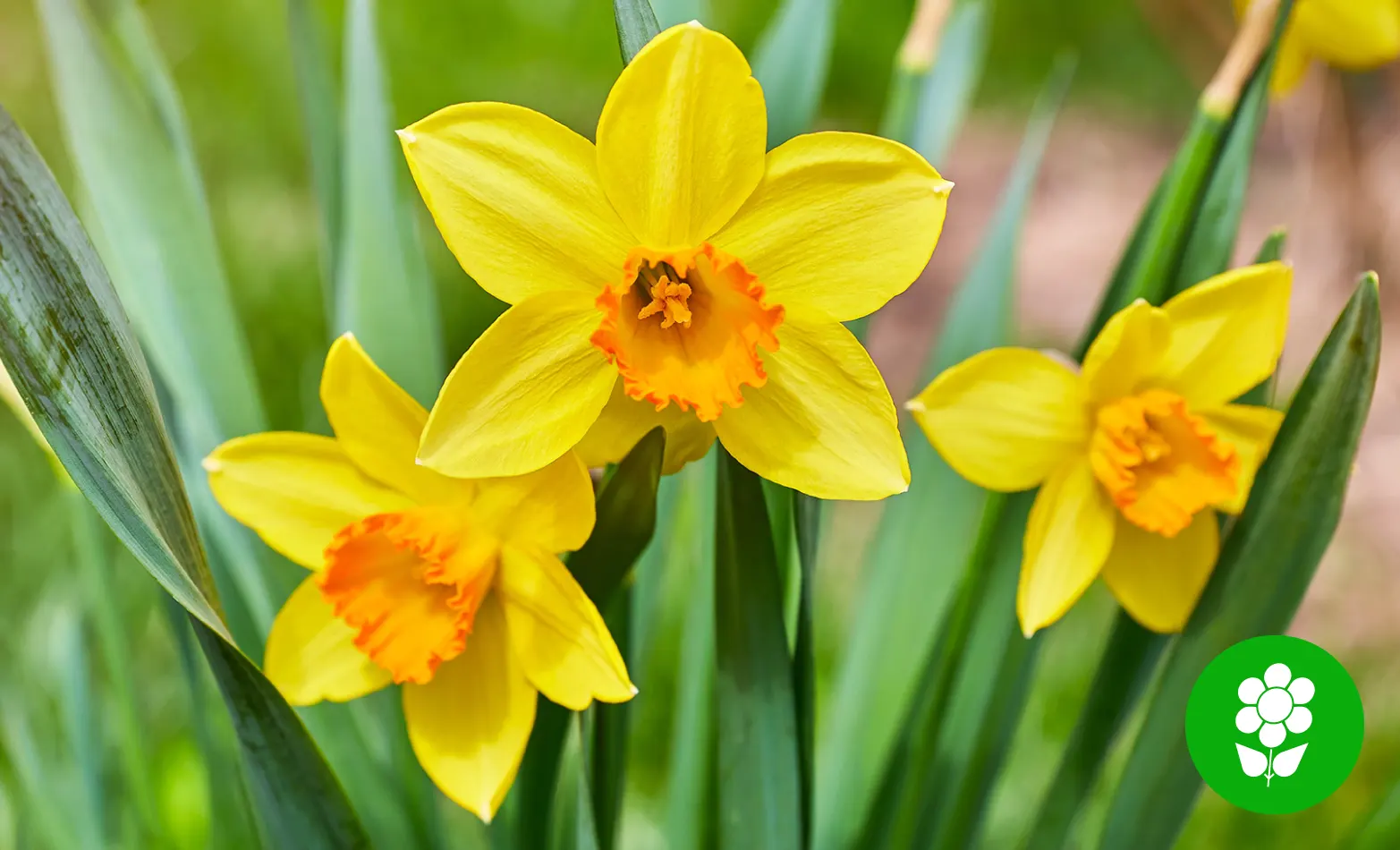
Daffodils: Bright yellows and buttery cream colors make these the perfect flowers for spring baby showers.
Hellebores: Moody plum colors or antique white make these ideal for elegant garden lunches.
Anemones: Vivid cherry red and deep magentas make these great for black-tie, spring weddings.
Snowdrops: The pure, icy white of these makes them perfect as tiny, meaningful get-well gifts.
April
April adds ephemerals to the Spring mix. These flowers bloom quickly during early April, but disappear by mid-summer. These short window flowers include:
Sweet Peas: Considered the ballerinas of the garden, Sweet Peas offer stunning bicolor petals and pastel pinks, making these perfect for intimate gatherings like bridal showers.
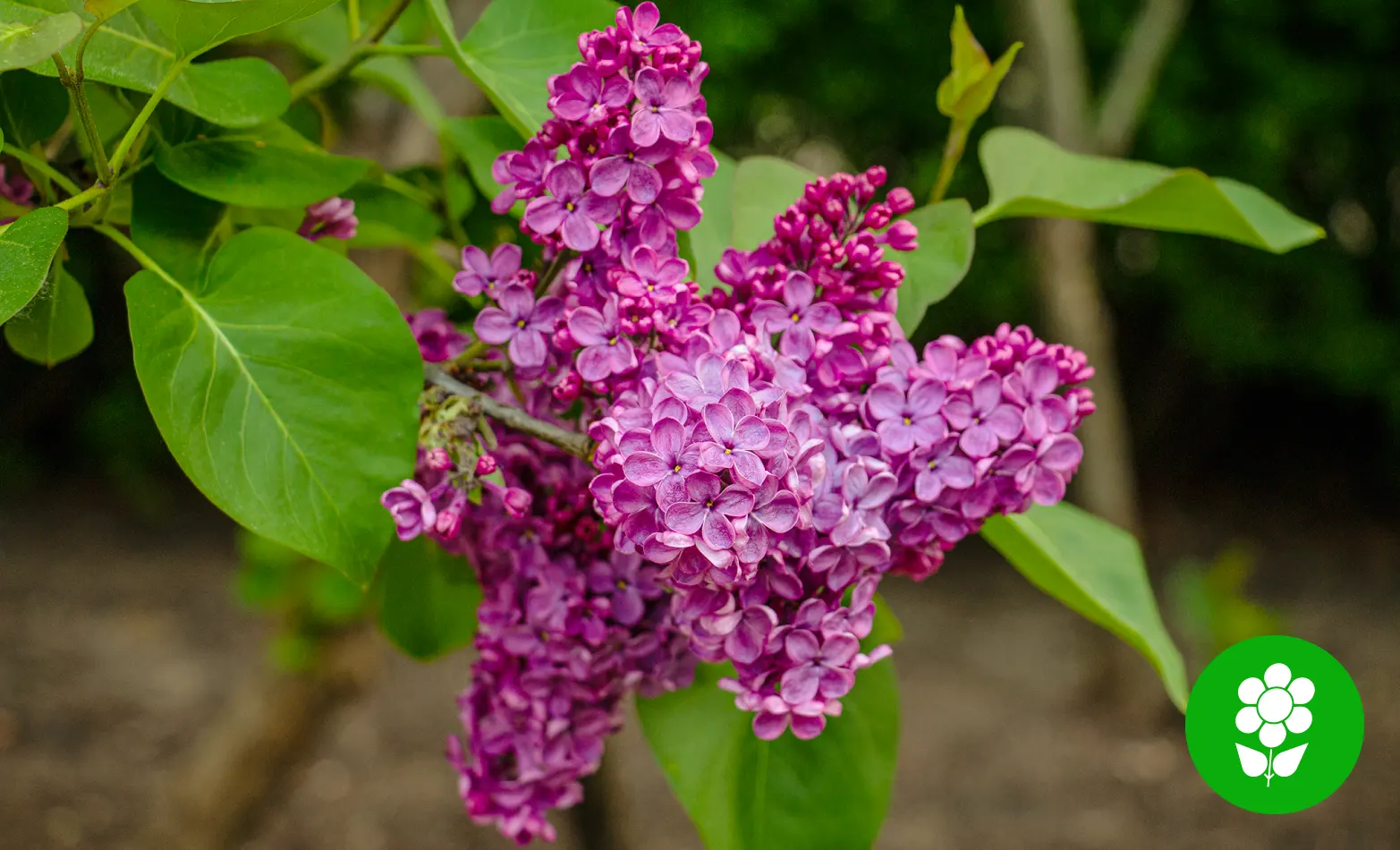
Lilacs: Named after their color, these are dense, woody shrubs that make heavy, cone-shaped flowers that could create a unique wedding bouquet.
Lily of the Valley: Almost exclusively pure white, these flowers hang from thin stalks with tiny bells at the end. They were a favorite of Princess Diana’s, making them a perfect fit for ornate royal weddings.
Hyacinths: A thick, central stalk with deep royal blues, hot pinks, and sunny yellows, these fragrant flowers are great housewarming gifts.
Muscari: Also called Grape Hyacinths, these look like tiny upside-down grape clusters in deep blues or peppermint whites and are perfect for adding a pop of blue to a mixed spring bouquet.
May
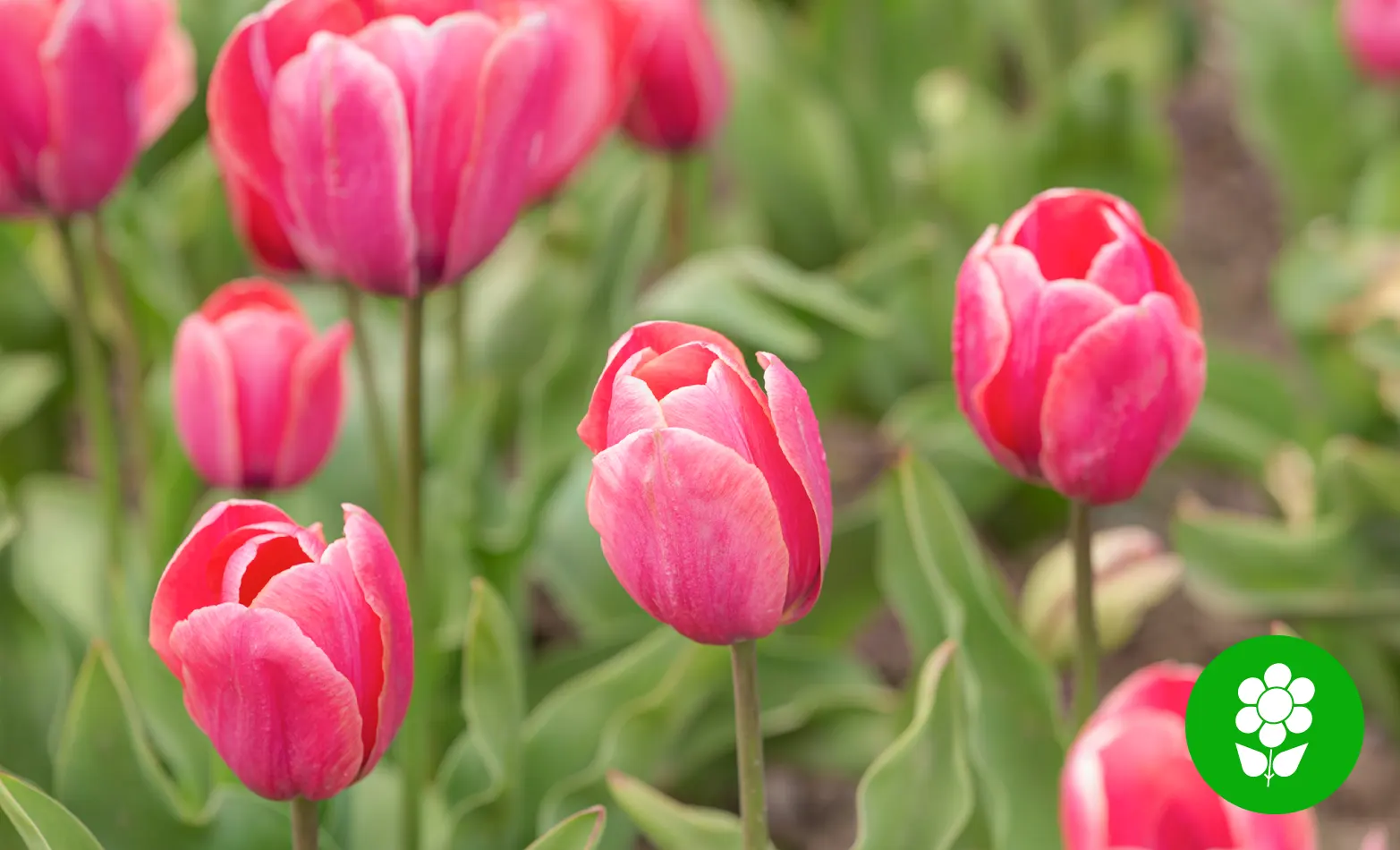
The stable, warm weather of May makes it the peak growing season and provides the widest variety of flowers. A few of them include:
Tulips: May brings tall, elegant, Single Late tulips in every bold color imaginable, making them statement pieces at graduation parties.
Ranunculus: Described as a cross between a rose and a peony, these are petal-packed, tight circles that come in whites, peaches, and yellows for DIY wedding boutonnieres.
Stock: With a spicy-sweet clove fragrance, these sensory flowers feature tight, ruffled petal clusters, making them great gifts for friends who appreciate their unique scent.
Spirea: Seasonal May flowers that resemble pure white shrubs, they’re used to create massive, dramatic wedding arches or unique table runners.
Peonies: Late in May, Peonies burst into fluffy, cloud-like spheres packed with overlapping petals in a wide variety of colors, making them popular for Mother’s Day brunches and bridal bouquets.
Legends behind the flowers: Anemones According to Greek mythology, Anemones sprang from Aphrodite’s tears while mourning the death of her lover, Adonis, who the gods killed because they were jealous of his love for her. These flowers open with the morning sun and are commonly associated with excitement for a future event, like a wedding or the arrival of spring. |
In-season summer flowers
Summer brings exotic colors and unique textures, as flowers spread to absorb the sunlight while surviving the heat.
June
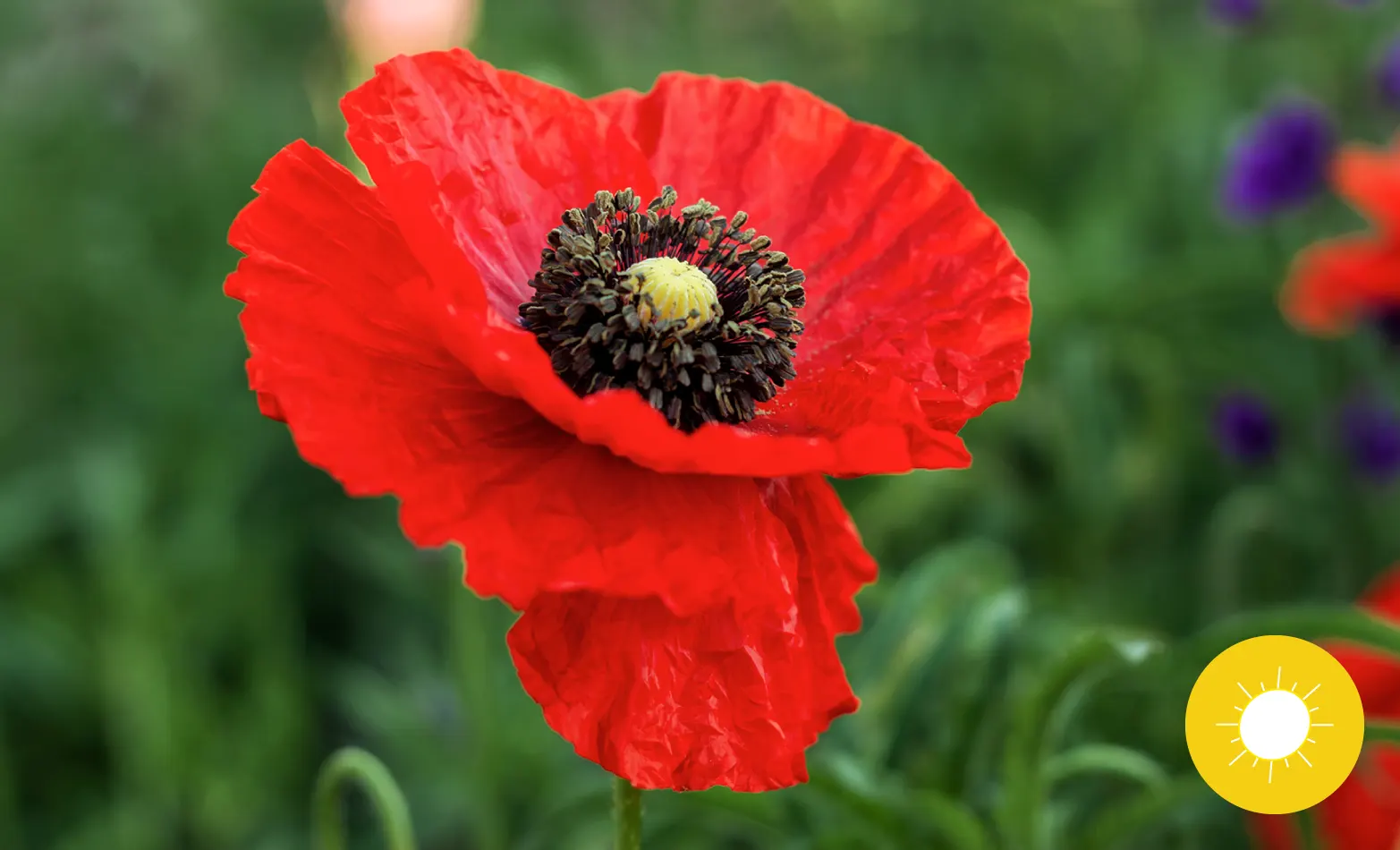
The beginning of backyard BBQs and cheerful graduation parties, June is an explosion of colorful flowers in a wide range of shapes and sizes. Find out how you can use them here:
Protea: Proteas are massive, cone-shaped flowers that thrive in the sun. The Blushing Bride variant is a beautiful, soft pink or white flower with star-shaped petals, making it a popular choice for high-end weddings.
Poppies: Whimsical, bending stems with crinkled petals that come in vibrant reds, oranges, yellows, and more, perfect for rustic summer gatherings.
Hydrangeas: Massive, fluffy globes made up of tiny florets with powdery blues or baby pink. Their large green leaves make them elegant tabletop centerpieces.
Gardenia: Known for its sweet fragrance, these creamy, white flowers have an elegant, spiralling bloom that makes them great for fragrant wedding corsages or romantic evenings.
July
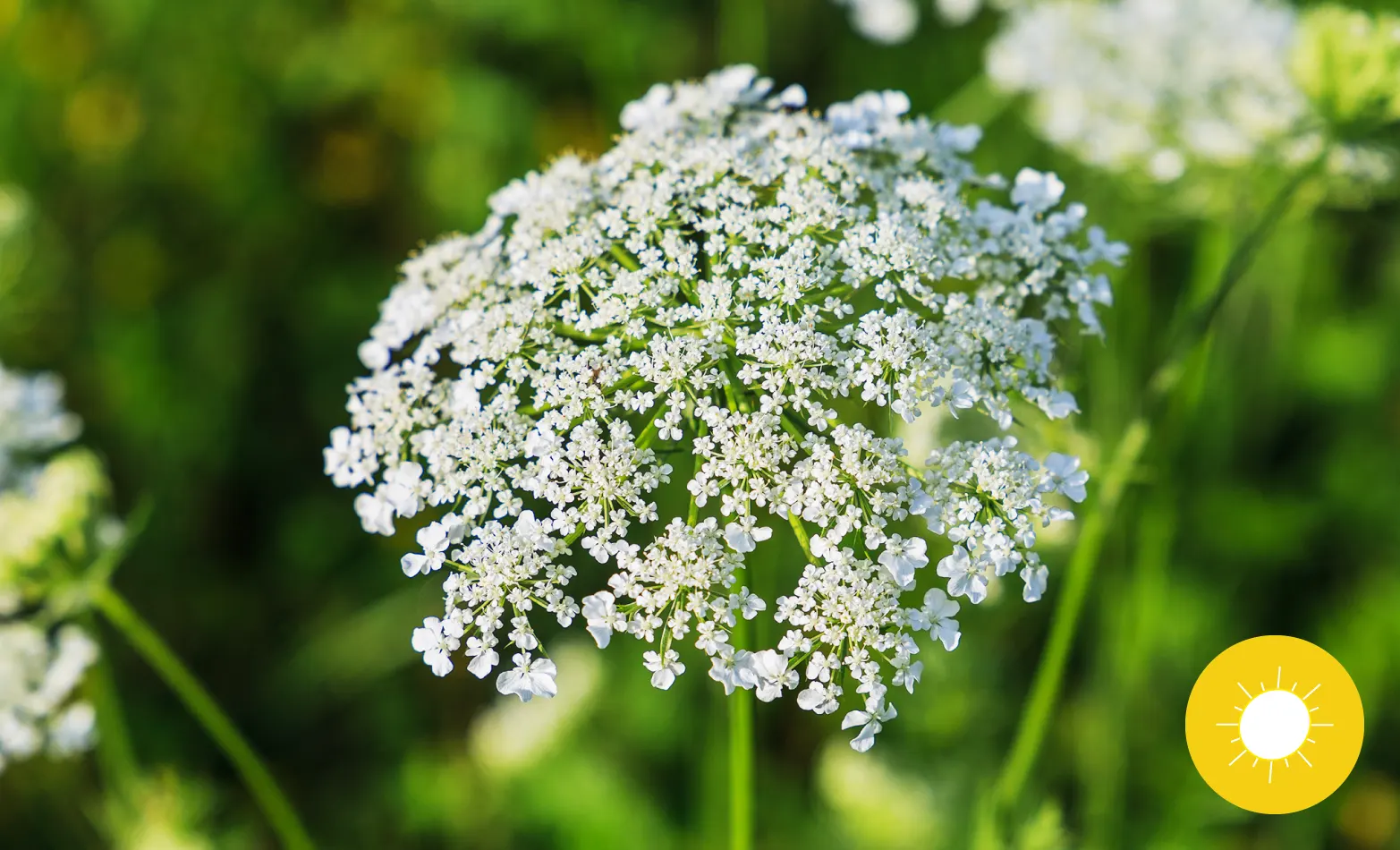
July is peak summer, known for swimming pools, the 4th of July, and crisp, bright flowers. Options vary from elegant to sturdy and include:
Sunflowers: Tall, thick stems with massive, flat circular disks surrounded by bright, yellow petals. They’re great for rustic and cheerful parties.
Queen Anne’s Lace: Intricate clusters of tiny flowers that look like woven lace on slender stems, these pure white flowers can add a unique, airy feeling to wildflower arrangements or bouquets. Just make sure to bring a knowledgeable florist with you, as this plant resembles poison Hemlock.
Daisies: A symbol of cheer, daisies are bright discs surrounded by a ring of yellow petals, with pink and red varieties available. These are great ways to brighten up your relaxed, summer event.
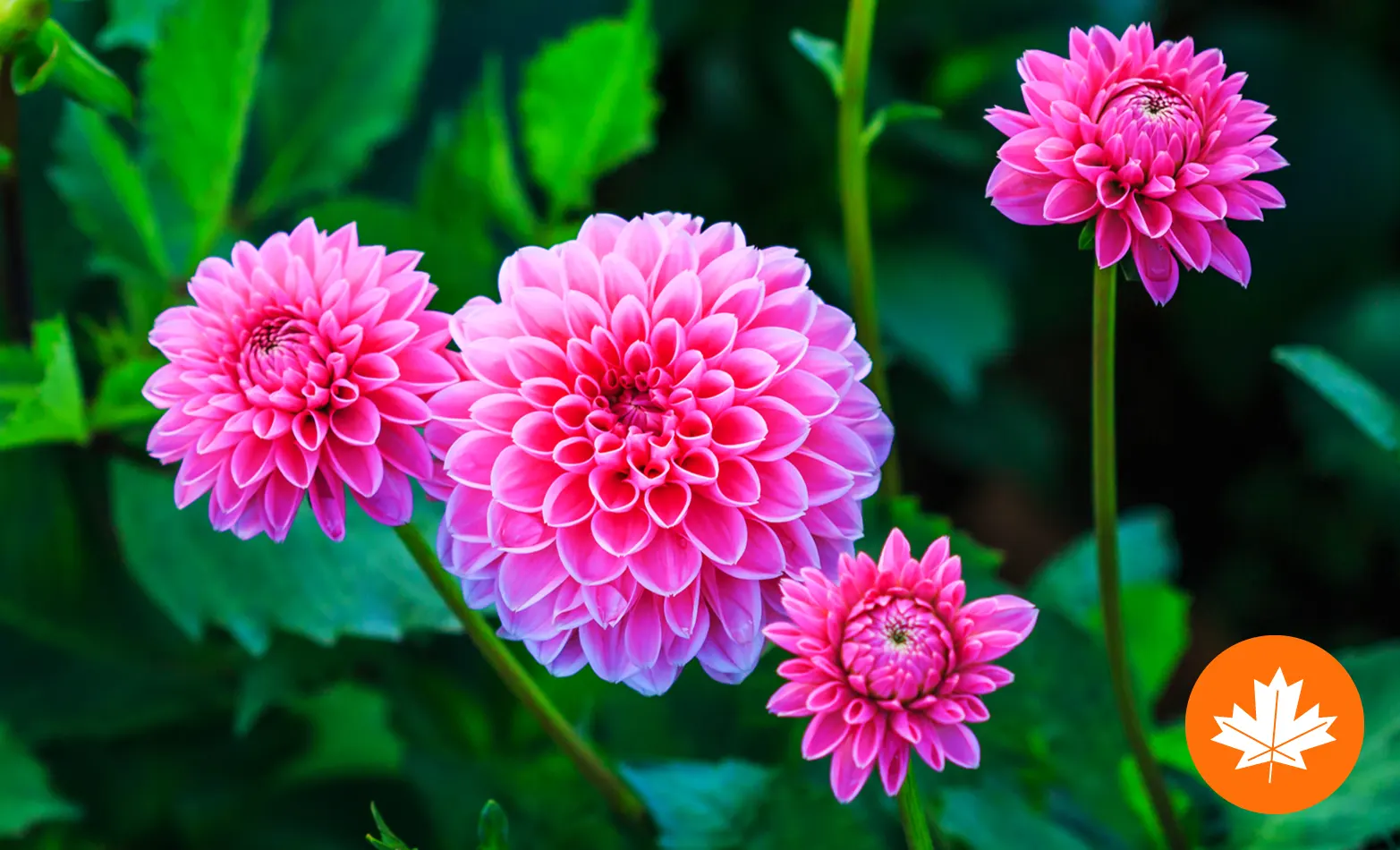
Dahlias: With a wide variety of colors and shapes, these flowers range from little spheres (pom-pom dahlias) to textured petals (Bell of Barmera), making them good gifts or centerpieces.
August
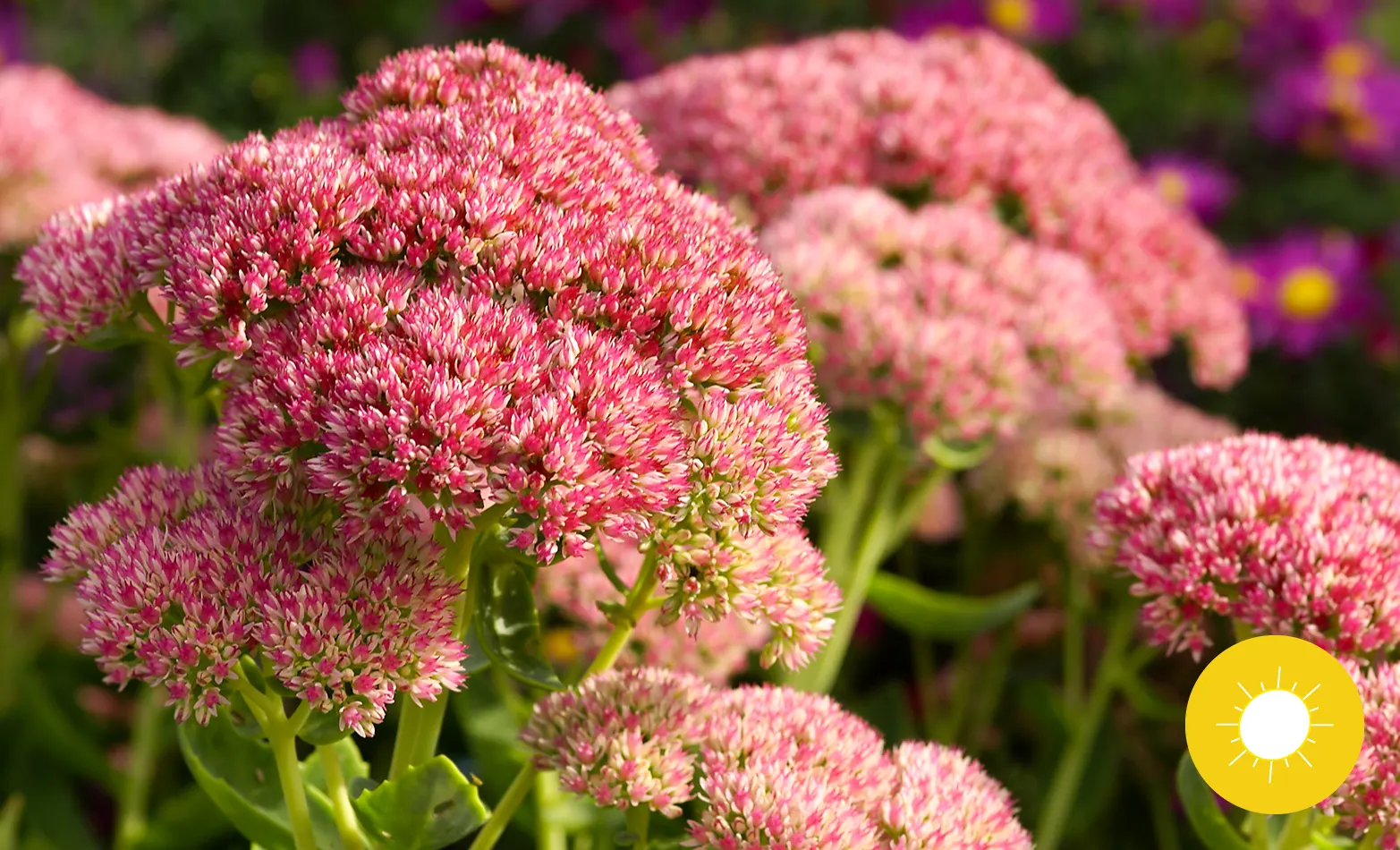
August brings more flowers, with a distinct textural shift as they prepare for the Autumn season. Colors may transition as flowers approach the colder months.
Purple sedum: With petals that resemble a succulent, these thick, fleshy flowers transition from pale pink to deep purple throughout Autumn and are great for earthy centerpieces.
White anemone: Also known as the Japanese anemone, these tall, wiry flowers have saucer-like flowers with a prominent green or yellow center and are great for garden parties.
Blazing stars: Liatiris, or blazing stars, are tall and spiky, varying from purple to the occasional white. They’re great for mixed bouquets.
Tube Clematis: Fragrant tubular or bell-shaped flowers with petals that peel backward; great for whimsical garden party decor.
Daylilies: Also known as Hemerocallis (Greek for Beauty for a day”), these flowers open in the morning and die by sunset to be replaced by a new bud the next day. These flowers come in a wide range of colors but aren’t ideal for cut floral arrangements due to their short shelf life.
Legends behind the flowers: Hydrangeas According to Japanese folklore, an emperor apologized for neglecting his lover in favor of other duties by gifting her family with hydrangeas. This flower represents nanahenge (seven transformations), the complexity and strength of emotions, making them great gifts for Galentine’s Day. |
In-season autumn flowers
Autumn flowers come with the harvest season, bringing in rich, moody colors and unique textures.
September
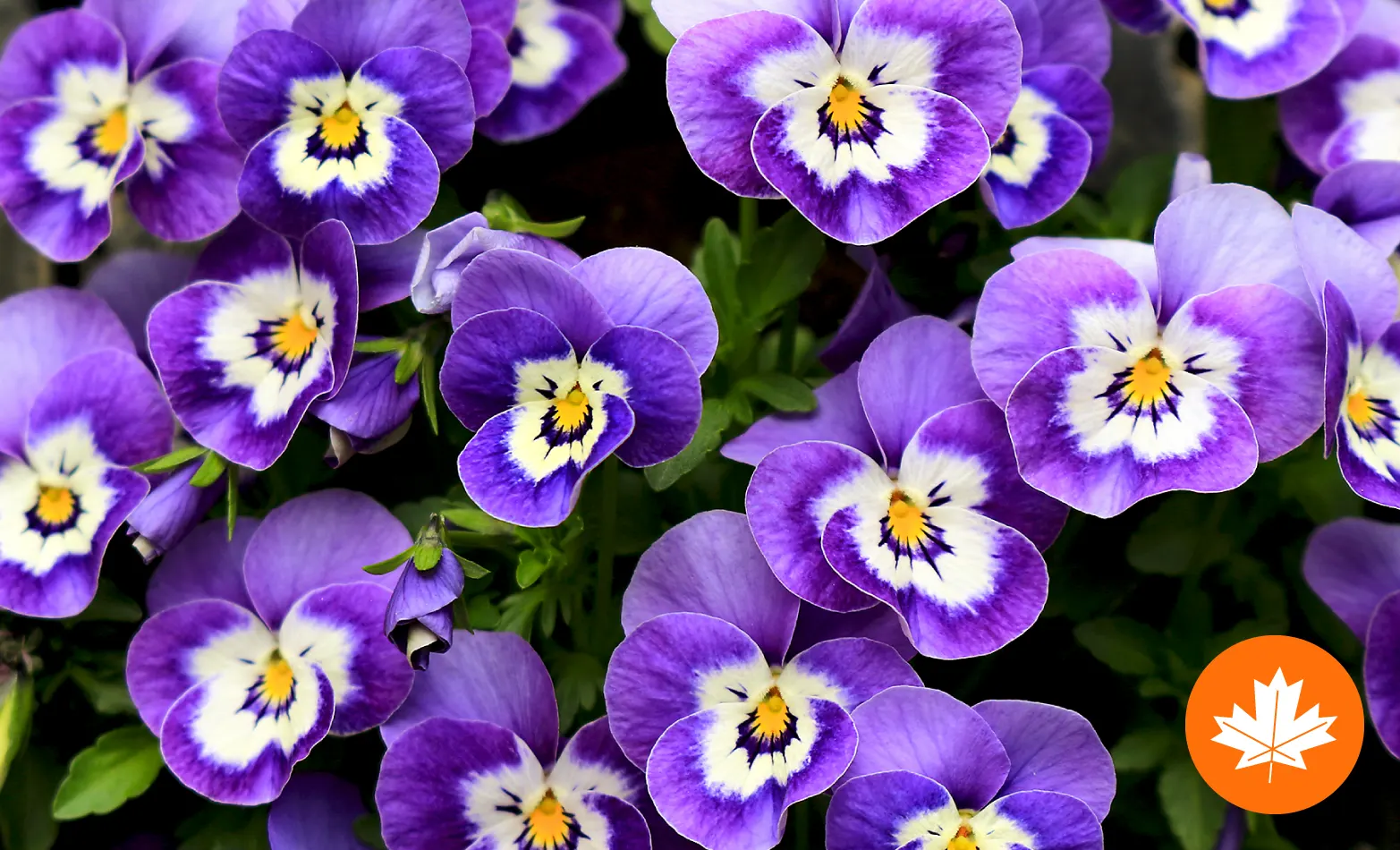
September is when flowers that despise baking in the heat make their triumphant return.
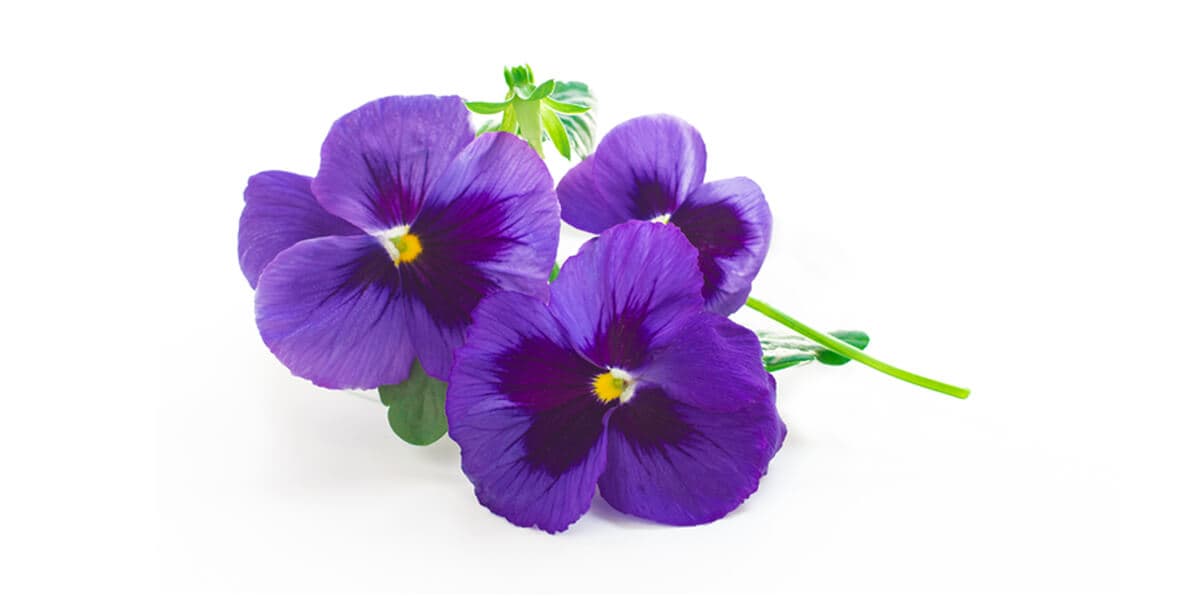
Pansies: These small, low-growing flowers have flat, overlapping petals with a purple blotch in the middle that sometimes resembles a face. Since they’re one of the few edible flowers, they’re great for culinary events.
Marigolds: Dense, ruffled pom-poms similar to carnations with a unique, earthy aroma, colored with fiery oranges or golden yellows. Known as the flower of the dead, you can find them at Dia de los Muertos celebrations.
Violas: Tiny, dime-sized blooms that come in lavender, yellow, and a combination of both colors. You can find these flowers floating in autumn-spiced cocktails.
Asters: Groups of wild, daisy-like flowers with delicate petals around a bright central disc that come in blues, lavenders, and pinks. You can use them in untamed bridal bouquets.
October
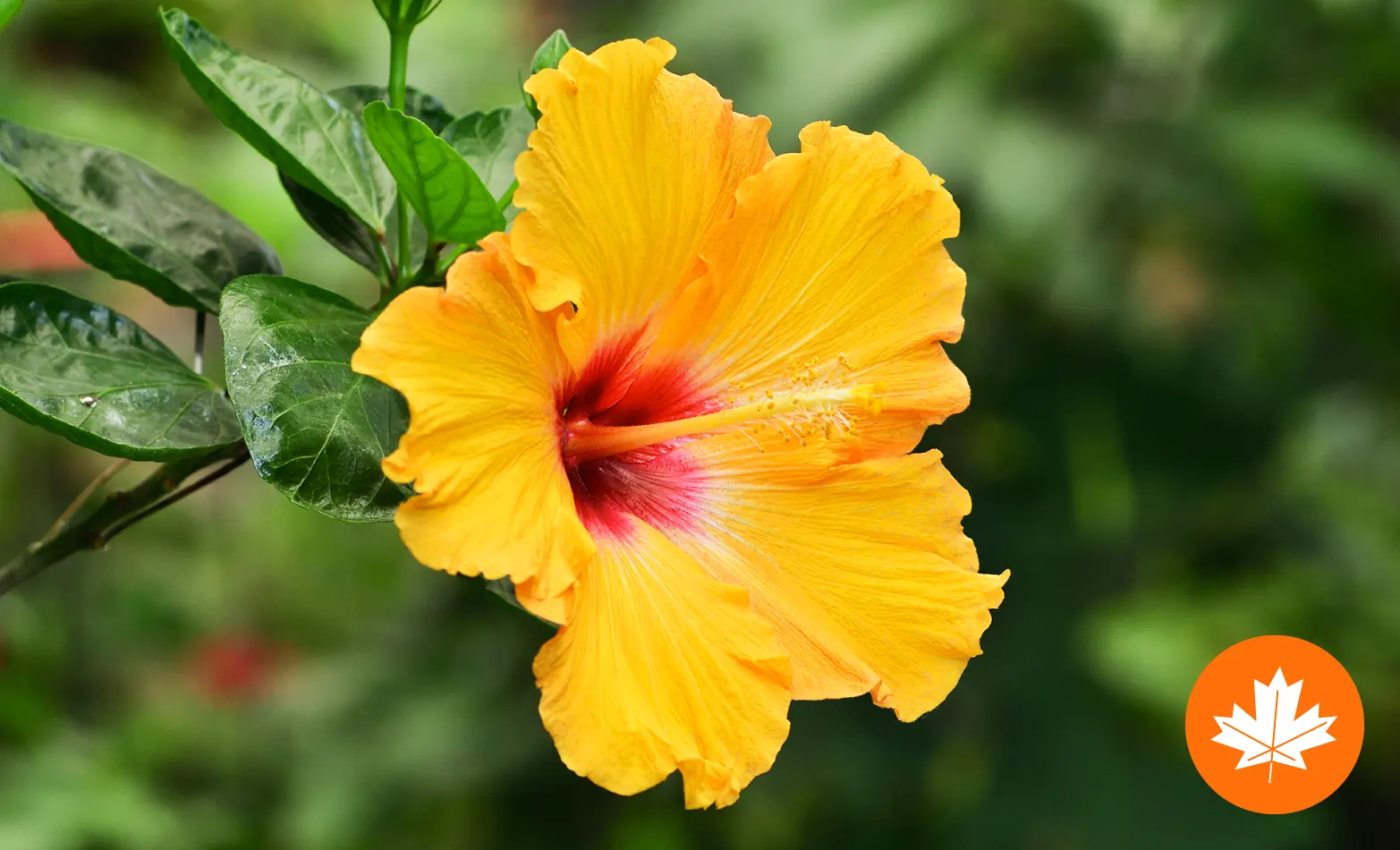
October is home to hearty, colorful flowers that can survive through the late fall freezes. This flowering season is home to many indoor flowers.
Hibiscus: Hardy hibiscus (rose mallow) has broad, papery leaves that come in deep crimson, bright pink, or crisp white. Their tropical brethren stay inside, adorning bold botanical displays.
Celosia: These heat-loving flowers last through early fall but won’t survive the first freeze. The vibrant reds and oranges pair well with mums and other autumn flowers, making them amazing for Thanksgiving centerpieces.
English lavender: The English variety of lavender features tall, silvery-green spikes with clusters of flowers at the top. You can see them at rustic barn weddings and autumn wreaths.
November
While the first frosts come in October, November sees those frosts in full swing. Many plants are moved indoors or grown in greenhouses to keep them warm.
Chrysanthemums: Mums are the undisputed kings of fall because they thrive. They come in tight domes or long bursts (spider mums) and come in deep rust, burnt orange, or mustard yellow. They’re great for Thanksgiving dinners.
Geraniums: Strictly indoor in colder climates, these feature bright blooms with five petals above fuzzy leaves and come in red, pink, and white. They’re great gifts when brightening up sunny kitchen window sills.
Strawflower: The stiff, papery petals retain their shape and color even after cutting, available in golden yellow or fiery orange. These are great for rustic Thanksgiving centerpieces and dried floral crowns.
Amaranth: A popular variety, Love Lies Bleeding, features cascading tassels in deep burgundy or moody bronze. They’re great gifts for friends who love gothic decor.
Orchids: Primarily grown indoors, orchids have elegant, arching stems and butterfly-like blooms in white, magenta, and pink. They’re great for sophisticated Thanksgiving gifts and indoor dinner parties.
Legends behind the flowers: Marigolds Dia de los Muertos (Day of the Dead) celebrators place marigolds on ofrendas that commemorate a family’s lost loved ones. It’s believed that the strong scent of these flowers helps their ancestors find the way back to their family. |
In-season winter flowers
Most winter flowers stay indoors to avoid the harsh cold outside. Florists can even import them from warmer climates.
December
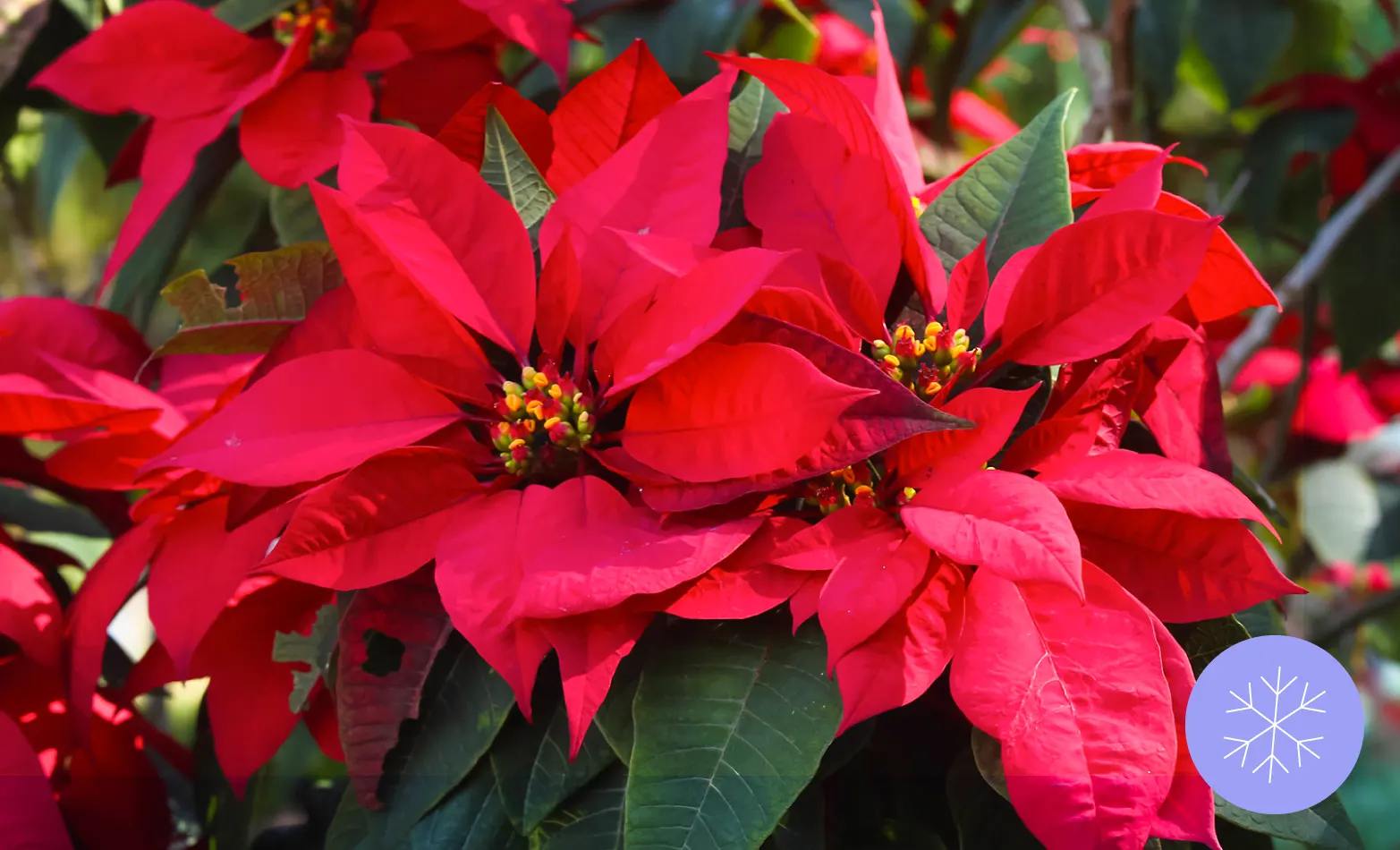
When the holidays roll around, the plants roll on inside. A few plants that add to the decorations include:
Poinsettias: Sprawling, star-shaped leaves (bracts) that look like large petals with tiny yellow flowers in the center. They come in white and pink, but also feature red, which is perfect for Christmas dinners.
Amaryllis: A long, thick green stalk with a massive bulb and three trumpet-shaped blooms at the top that come in red, white, and “candy cane” stripes for holiday celebrations.
Paperwhites: Indoor flowers that grow tall, slender stalks with tiny star-shaped blooms. Their sweet fragrance and snowy white color make them a unique gift for flower lovers.
Camellias: Known as the winter’s rose, camellias have dark green leaves with dense rose-like blooms that come in white and red. They’re great for luxurious holiday dinners and high-end corsages.
January
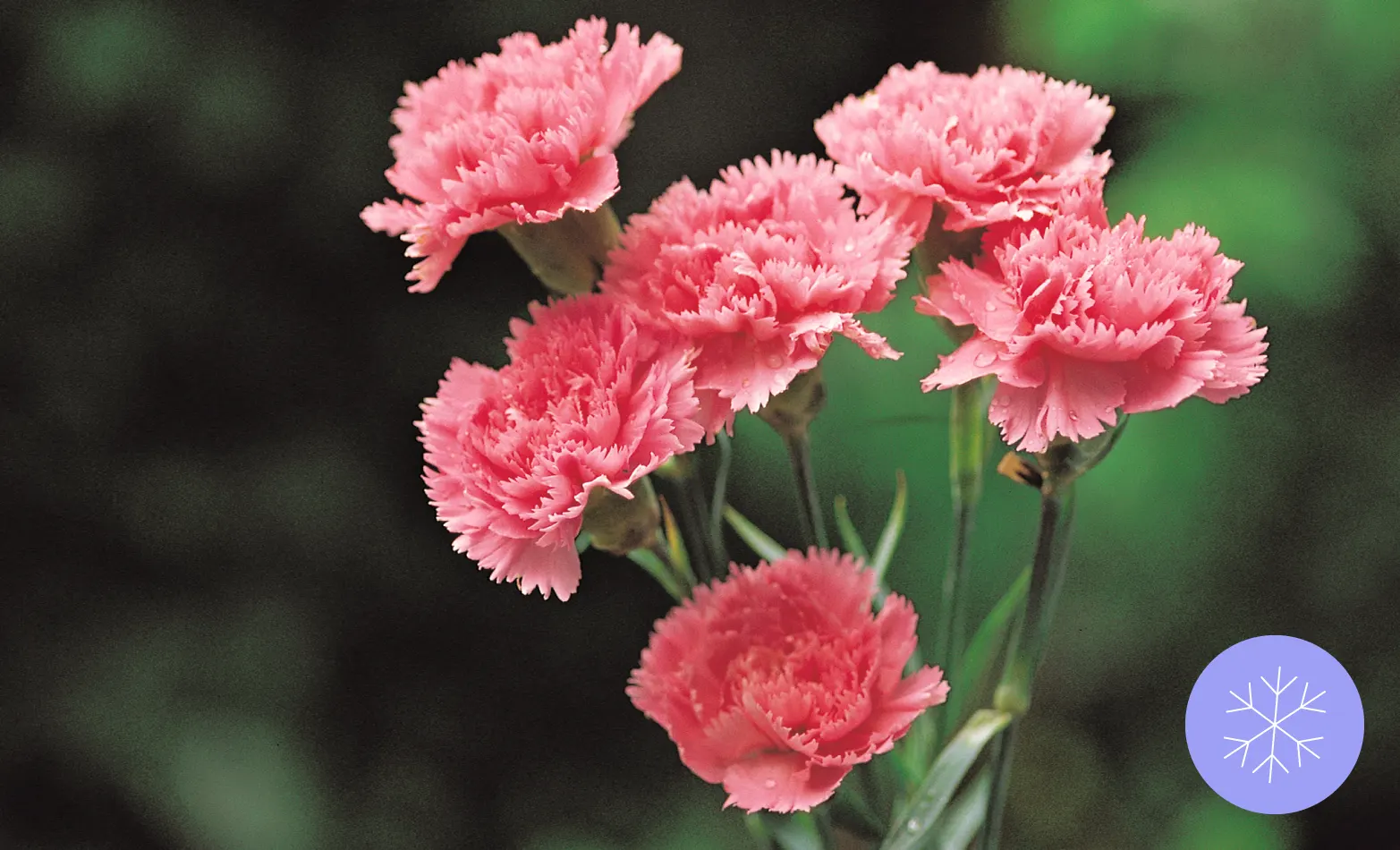
By January, the cold is in full swing, and you celebrate the new year, making it the perfect time to bring in fresh plans as well.
Carnations: The official January birth flower known for dense, ruffled, ball-shaped blooms with a spicy clover scent. These are perfect gifts to celebrate a new baby.
Calendula: Multi-layered, bright daisy-like flowers that come in sunny yellow and fiery oranges to give a pop of color to your winter. These are great gifts for get-well-soon arrangements.
Witchhazel: A woody branch with spidery petals that bloom directly on the wood, it adds architectural texture to earth centerpieces.
Hellebores: Tough, leathery leaves that support beautiful cup-shaped blooms that come in purples, greens, and whites. These are great gifts for those who love woody plants.
February
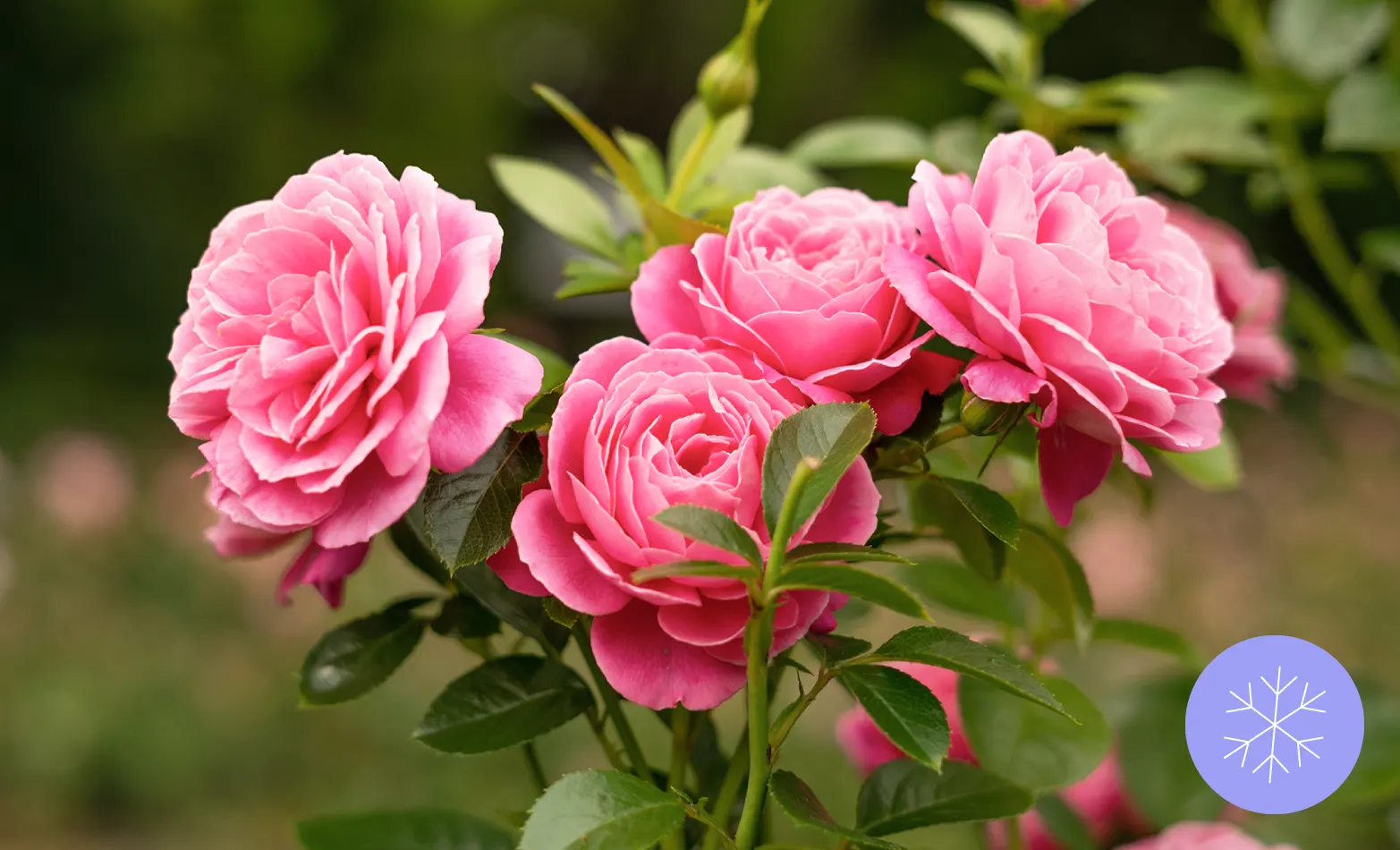
February is nearing the end of the colder months, nearing the first sign of winter’s end. It’s also big on romance, which is why you see flowers like:
Roses: While available throughout the year, you can’t mention February without Roses. These Valentine’s Day gift staples come in deep ruby reds, but also have icy white variants.
Erysimum: Also known as a wallflower, this tall, sturdy plant has four small blooms in purple, orange, and yellow. They’re known for their sweet honey scent, making them great as aromatic centerpieces.
Casablanca lilies: Large star-shaped blooms with heavy pollen-coated stamens known for their heavy perfume scent and translucent white appearance. These plants are ideal for upscale late-winter weddings.
Yellow jessamine: A delicate, trailing vine with bright, trumpet-shaped flowers known for their bright yellow coloring, ideal for cascading winter bouquets.
Flowers available all year round
With online ordering, you can enjoy beautiful flowers year-round. Here are some flowers that are available in every season:
Bird of paradise: Tropical flowers that look like an exotic bird in flight with a brilliant, high-contrast splash of orange or blue with hints of purple and green. These architectural wonders are great for corporate galas.
Alstromeria: Also known as Peruvian lilies, these feature a cluster of three to seven miniature lily-like blooms in yellow, pink, orange, red, white, and multiple colors. They’re great “thinking of you” gifts in a bright bouquet.
Anthurium: These flamingo flowers have a large, flat, glossy, heart-shaped shield (called a spade) with a textured spike protruding from the center. Most known for their red coloring, these flowers are ideal for chic, high-fashion weddings or photoshoots.
Snapdragons: Tall, sturdy stalks lined with tubular florets with blossoms that resemble the jaws of a dragon if you squeeze the sides. These flowers feature highly saturated yellows, pinks, and whites for whimsical centerpiece designs.
Legends behind the flowers: Snapdragons Medieval Europeans planted snapdragons in gardens because they believed they protected homes from witchcraft and evil spirits. In modern times, their dragon-like blossoms symbolize strength and resilience, making them ideal get-well-soon gifts after surgery. |
Beautify your next event with flower delivery from Instacart
From the bright reds of amaryllis to the cheerful look of sunflowers, there are many seasonal flowers to make your wedding or gift extra special. But if you’re planning an event or just out there living, you might not have the time to pick them up.
Let Instacart handle the flower delivery so you can focus on the occasion itself — whether that's planning the centerpiece, writing the card, or just showing up. Order today to find out how easy it is to get seasonal flowers right to your door.
Seasonal flower FAQ
What flowers are in style for weddings?
While it varies based on your wedding’s theme, some good wedding flowers include classic red roses, textured orchids, or tropical proteas. You can also save some money with carnations, daisies, or tulips while keeping your wedding beautiful.
What flowers are best for someone in mourning?
Lilies are the most common traditional funeral flowers because they symbolize purity; white roses or chrysanthemums are good alternatives. Try to avoid bright colors (yellows, oranges, etc.), as they often evoke joy and may not be appropriate.
Does Instacart deliver flowers?
Yes, Instacart offers same-day, on-demand, or scheduled delivery from local grocery stores or florists, sometimes in as fast as 1 hour. Like seasonal fruits, you can also chat directly with your Shopper through the app if they have questions about substitutions or specific preferences.
Do any flowers last all through the year?
Year-round flowers include Roses, Carnations, Lilies, and Baby’s Breath. These flowers can be grown in a greenhouse or shipped from warmer climates.