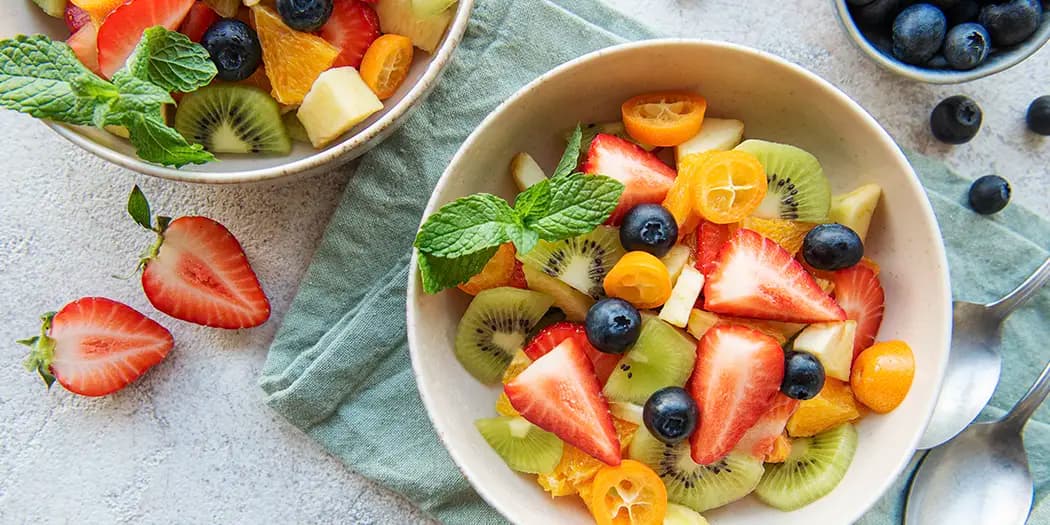
Eating seasonally is one of the easiest ways to enjoy better flavor and fresher ingredients. If you’ve ever wondered what fruits are in season, the answer depends on the time of year and the location where produce grows. Farmers usually harvest seasonal fruit closer to peak ripeness, which can make it sweeter and juicier.
Whether you’re packing snacks for kids or meal prepping, knowing the season of your favorite fruits can help you plan meals more efficiently and make better use of grocery delivery services. Learn what fruits are in season now and how to spot the best pick.
Spring fruits
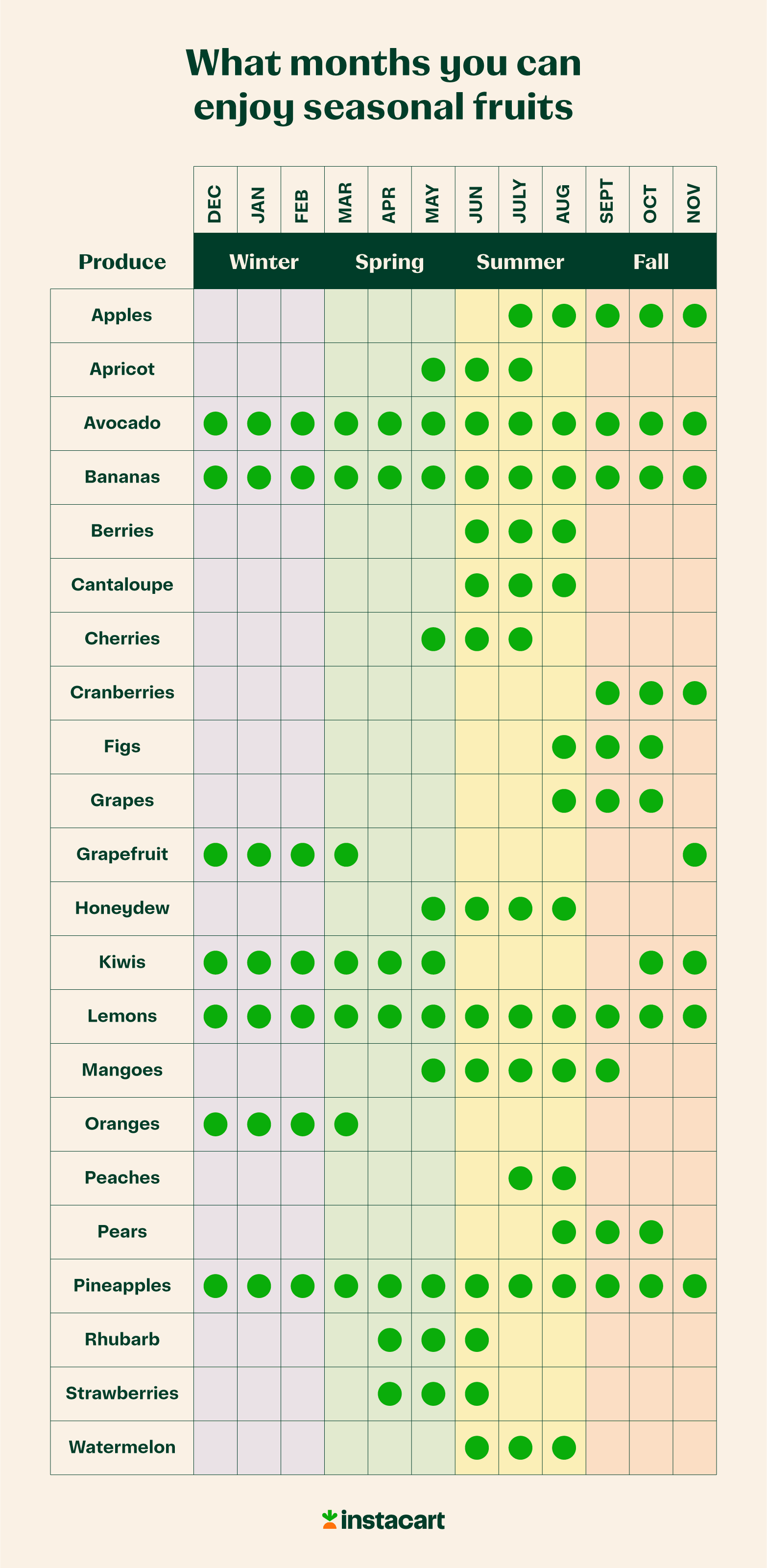
Spring fruits arrive as temperatures warm, and gardens begin producing again. Many of these fruits have relatively short harvest windows, so they tend to taste best during a limited time in the season.
1. Apricots
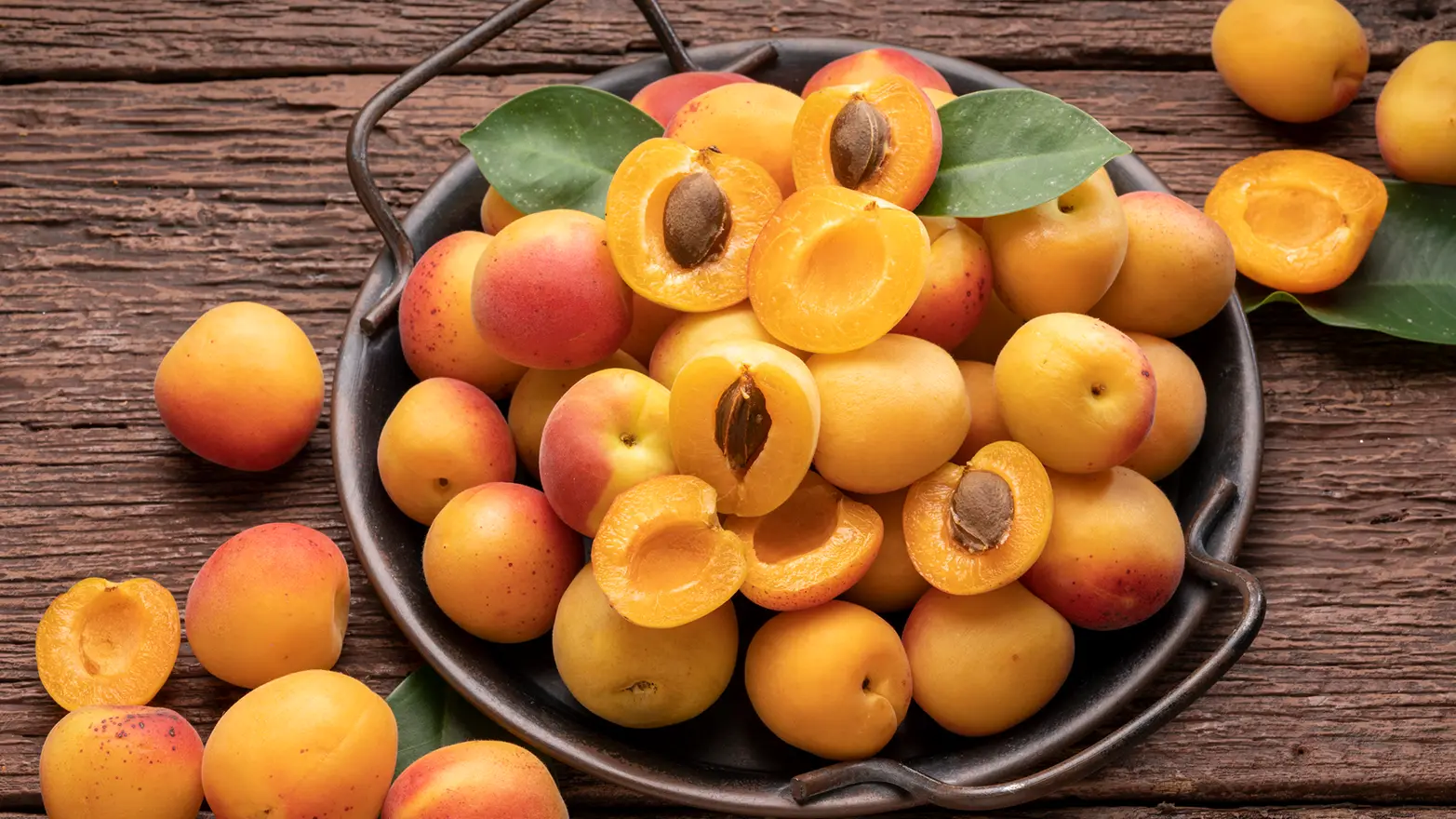
Apricots are one of the first stone fruits of the year, helping bridge the transition from winter citrus to summer produce. They are in season primarily from late spring through early summer, typically May through July.
Their flavor is mildly sweet with a gentle tartness, making them a great addition to yogurt bowls, salads and baked desserts. When selecting apricots, look for fruit with a rich golden-orange color and a slightly soft texture when gently pressed. Avoid fruit that is overly firm or pale, which may not be fully ripe.
2. Honeydew
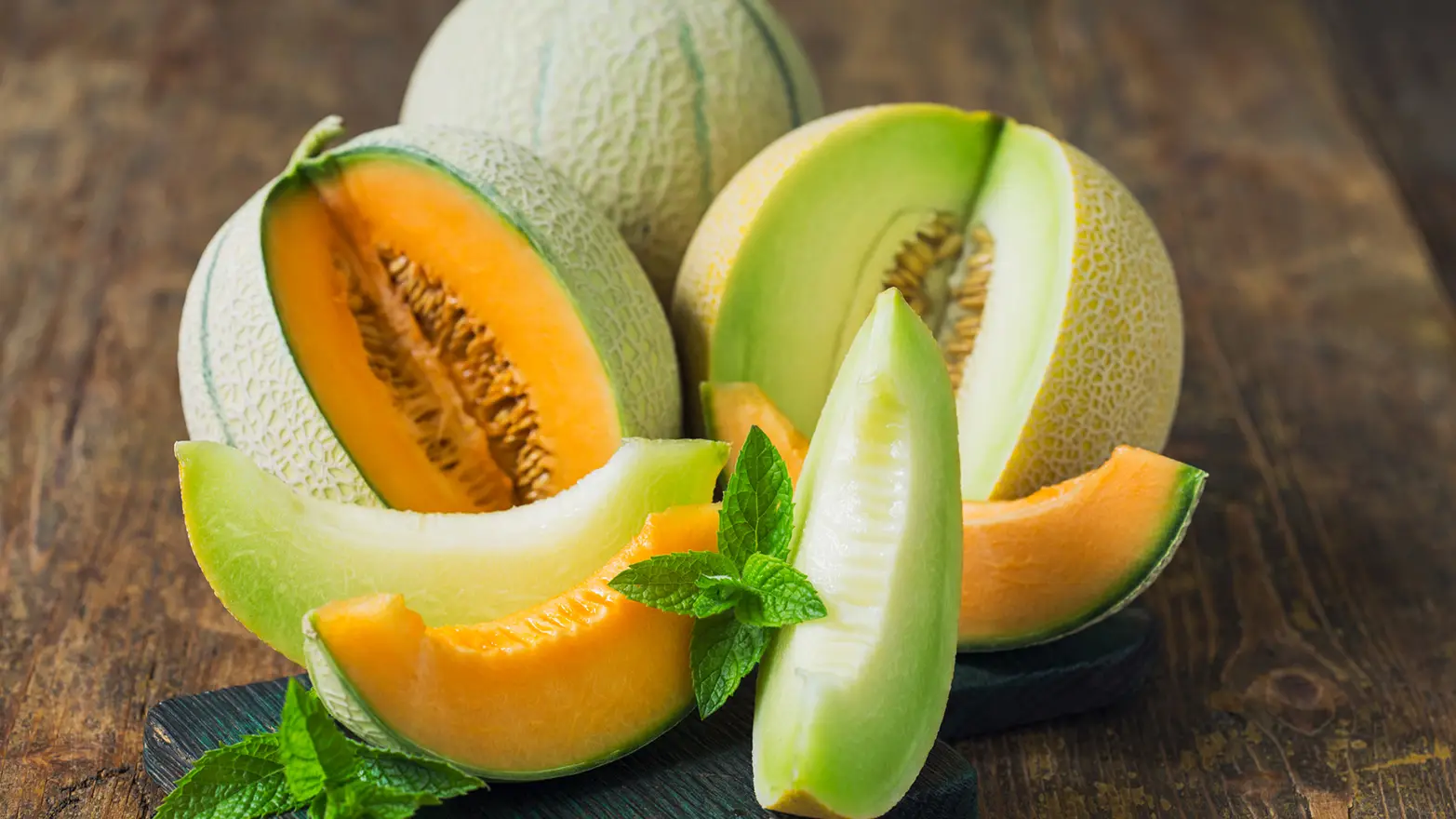
Honeydew melons start appearing in stores in late spring and continue into summer, with peak sweetness typically between May and August. Their flavor is subtly sweet, refreshing, and perfect for warm weather snacks.
A ripe honeydew should have a creamy yellow rind rather than bright green, along with a slight softness at the blossom end. The melon should also feel heavy for its size. They work well in fruit salads and smoothies.
3. Rhubarb
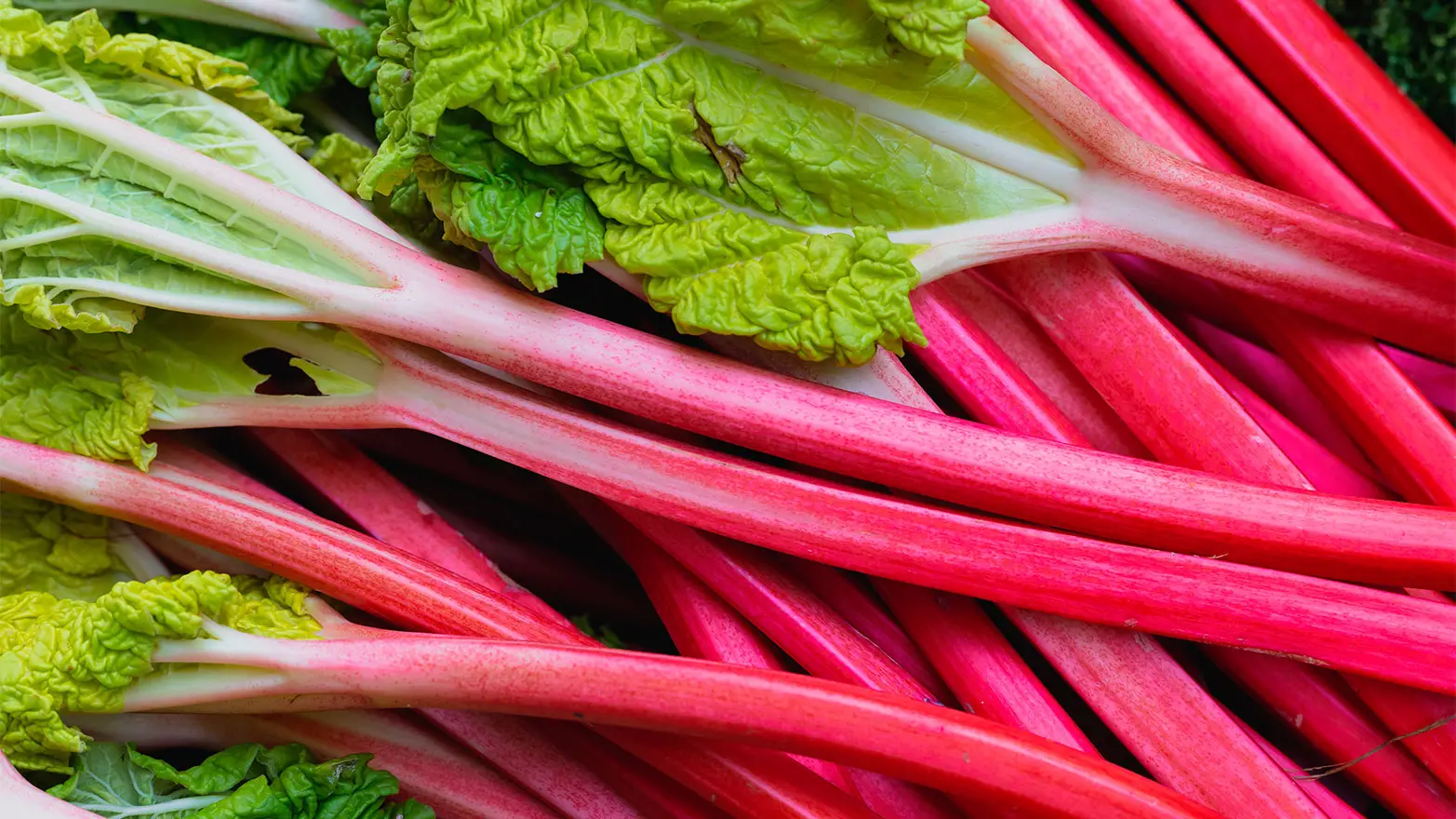
Rhubarb usually reaches peak season from April through June, making it one of the earliest spring harvests.
Rhubarb has a distinctly tart flavor, which is why it’s often paired with sugar or sweeter fruits like strawberries and used in jams. Look for firm stalks with vibrant red or pink color when selecting rhubarb.
4. Strawberries
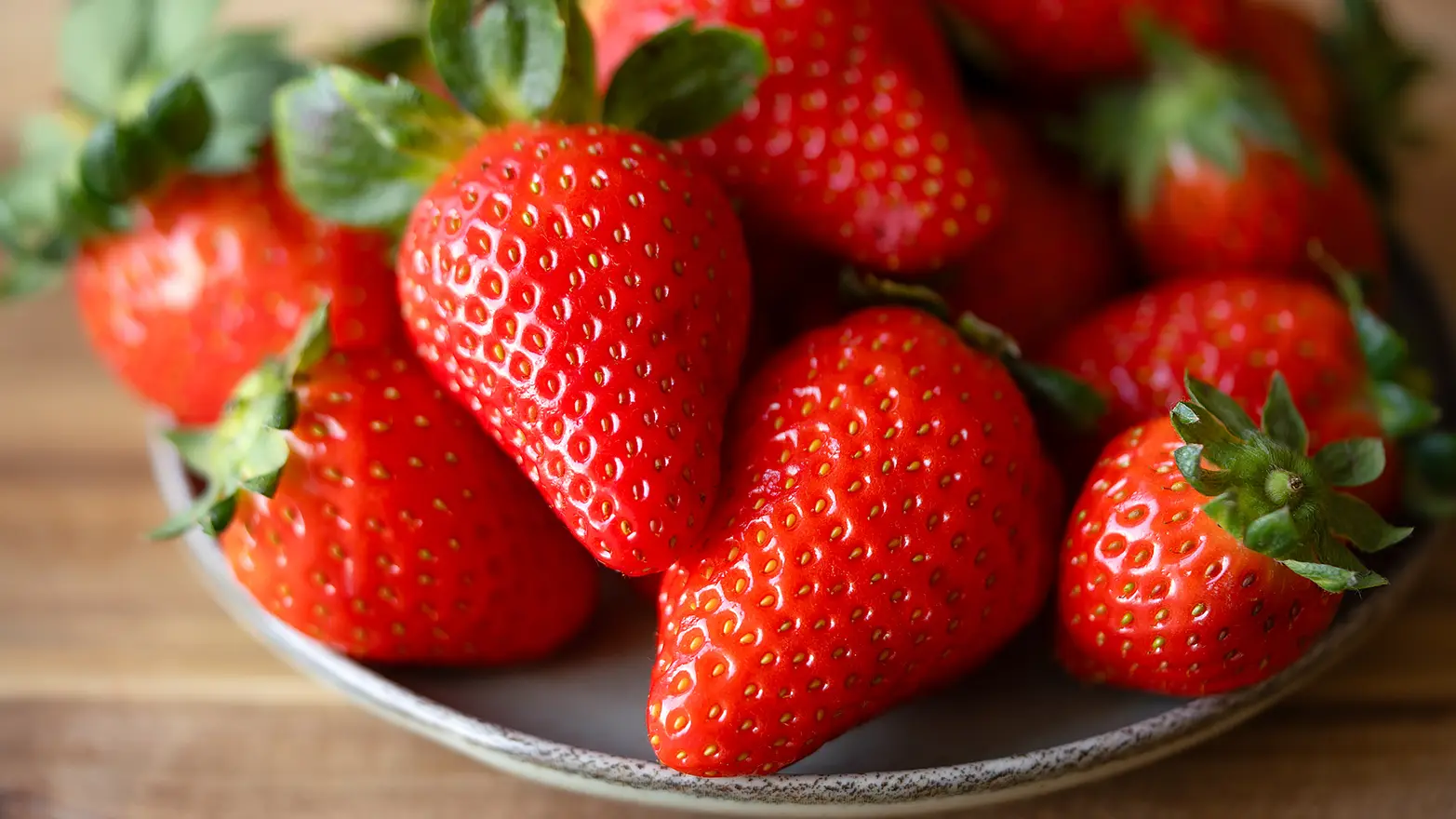
Strawberries are one of the most popular spring fruits, with peak harvest typically occurring between April and June, though availability can vary by region. They’re a great example of produce that tastes noticeably better when eaten during peak season.
These berries are known for their sweet flavor and bright aroma, making them ideal for snacks, salads, breakfast bowls and desserts. Look for strawberries that are deep red with fresh green caps and a fragrant scent.
Summer fruits
Summer offers the greatest variety of fresh fruit. Warm weather and longer days help summer fruits develop higher natural sugar levels, making them ideal for smoothies and refreshing snacks.
1. Summer berries
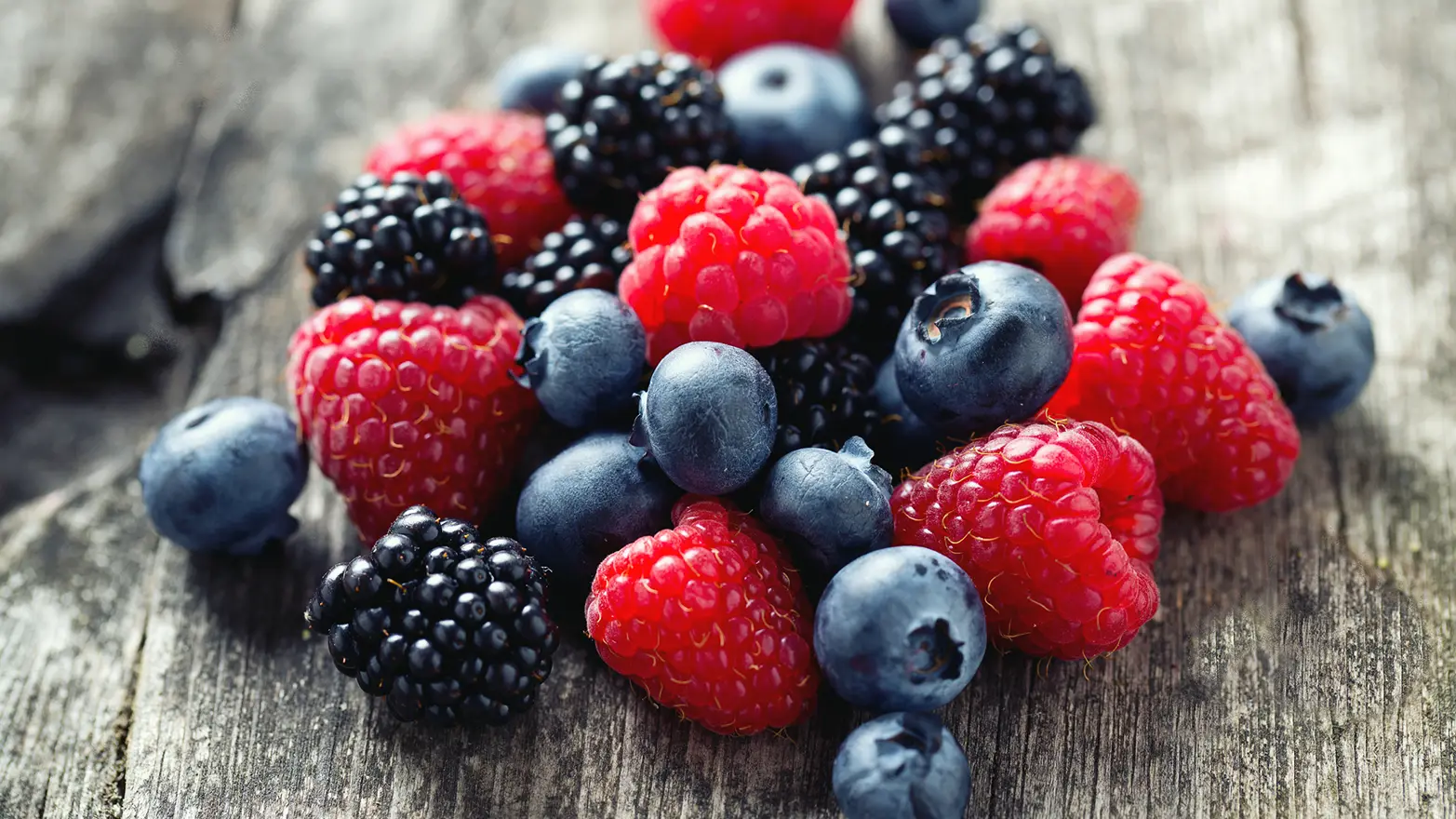
Summer berries typically include blueberries, blackberries and raspberries, which reach peak season between June and August. These berries range from sweet to slightly tart and are widely used in desserts, breakfast dishes and snacks:
Blueberries: Small, sweet berries that work well in smoothies and baked goods.
Blackberries: Larger berries with a deeper flavor and slight tartness.
Raspberries: Delicate berries known for their bright flavor.
When selecting berries, look for plump fruit with vibrant color and no visible mold. Avoid containers with crushed or leaking berries.
2. Cantaloupe
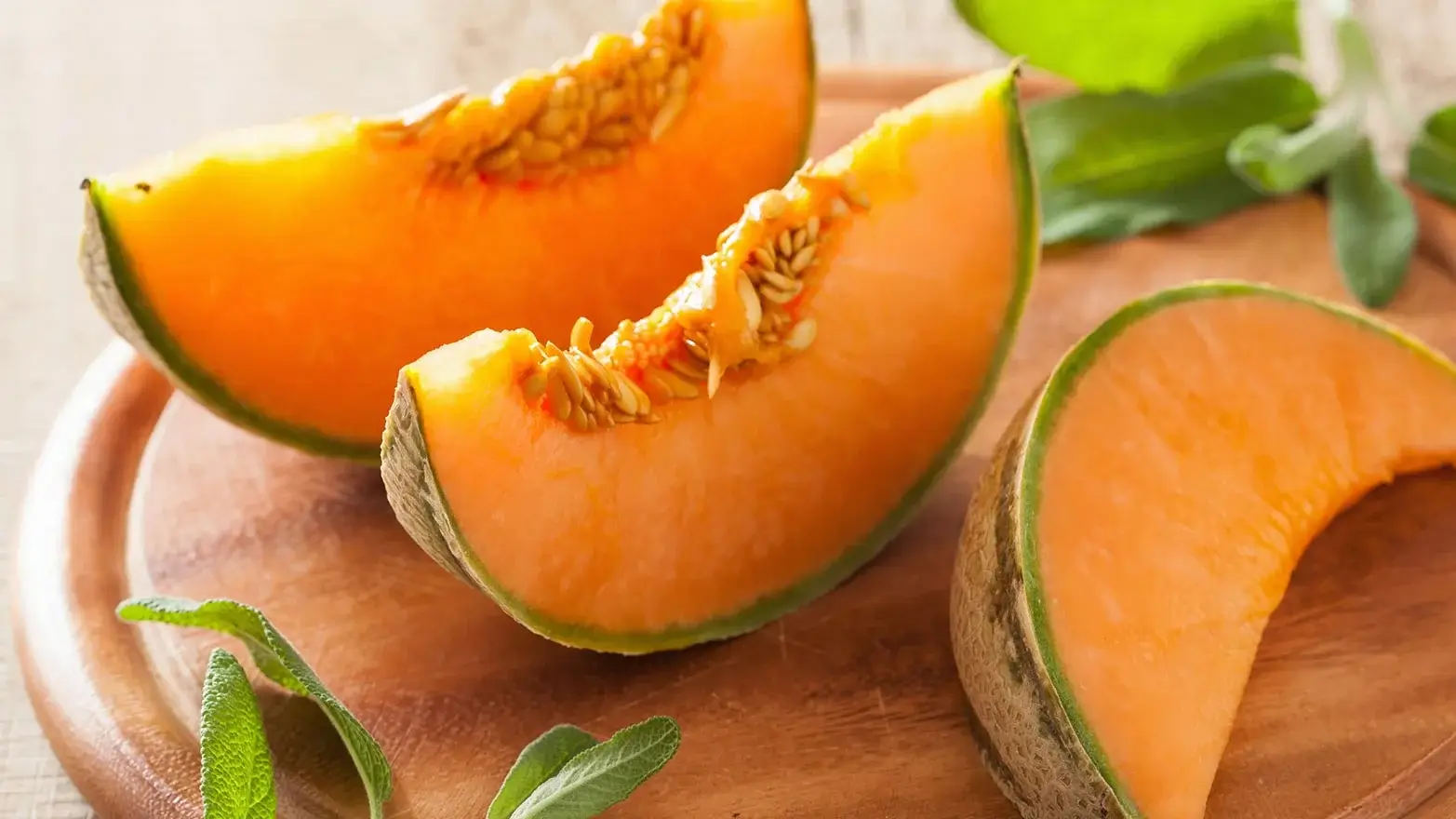
Cantaloupe is a classic summer melon that usually peaks from June through August. Its bright orange flesh has a sweet, musky flavor that pairs well with breakfast dishes and fruit platters.
A ripe cantaloupe should have a sweet aroma at the stem end and a rind with raised netting and beige color. Because cantaloupe is naturally hydrating, it’s often served chilled during warm weather.
3. Cherries
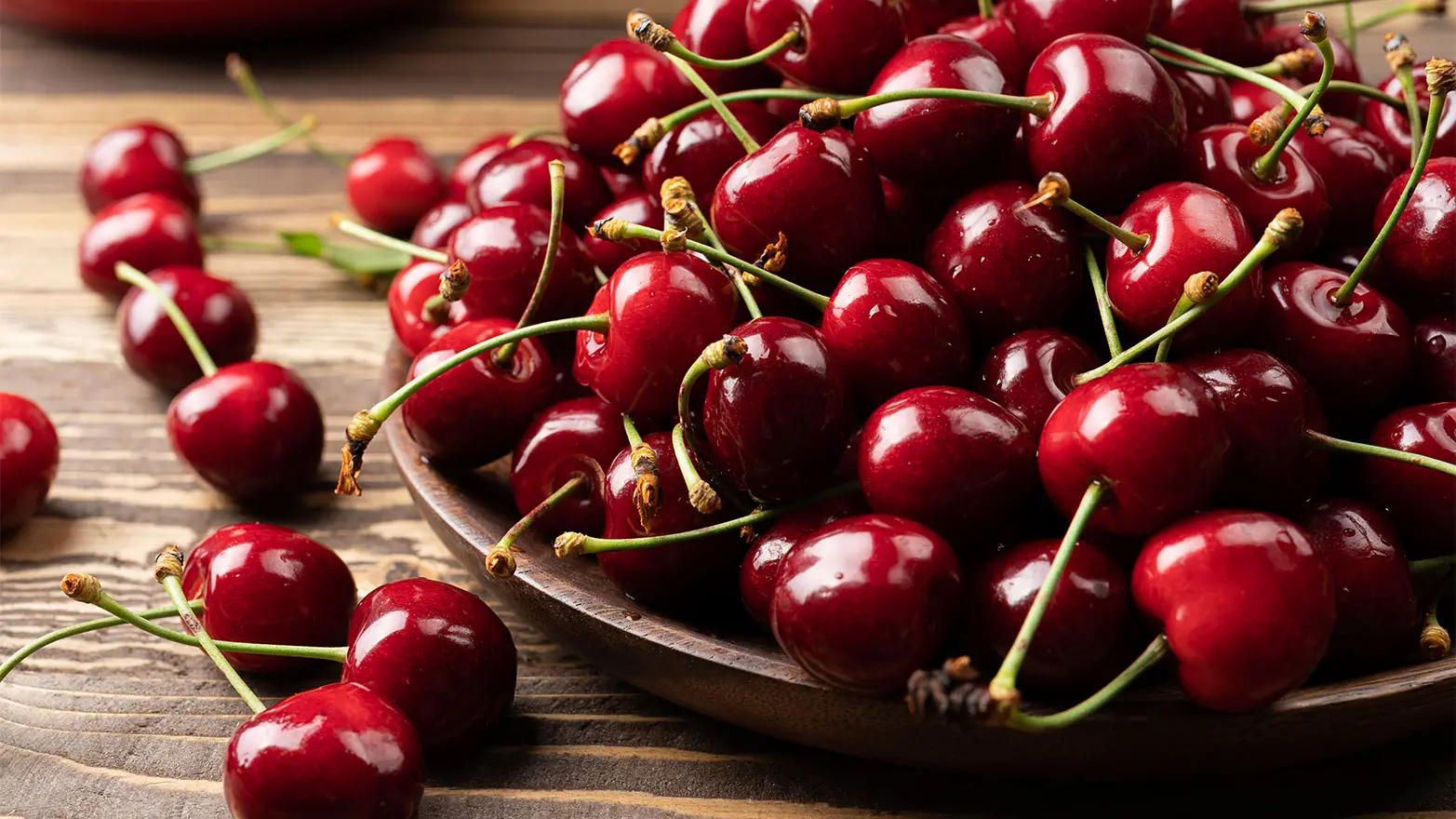
Cherries have a short but highly anticipated fruit season from late May through July. Their flavor ranges from sweet to tart, depending on the variety. Cherries are great for snacking but also work well in baked goods and salads.
When shopping for cherries, look for firm fruit with glossy skin and bright green stems. Avoid cherries that appear dull or wrinkled.
4. Mangos
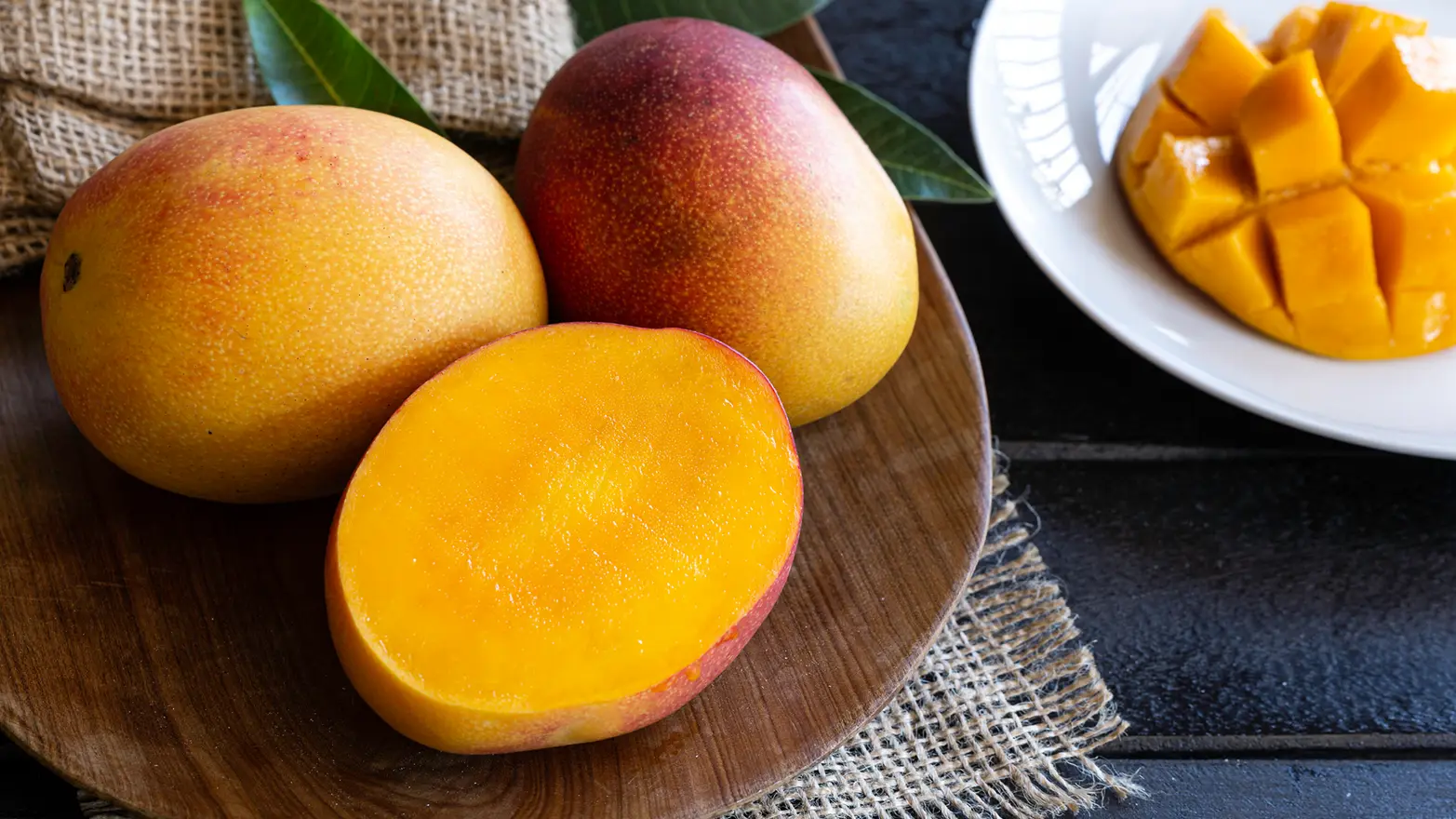
Mangos are a tropical fruit available year-round in many stores, but they typically peak during late spring and summer months, especially from May through September.
Their flavor is sweet, juicy, and slightly floral, making them popular for smoothies, salsas and desserts. To find a ripe mango, gently press the fruit—it should feel slightly soft without being mushy and may release a subtle fruity aroma.
5. Peaches
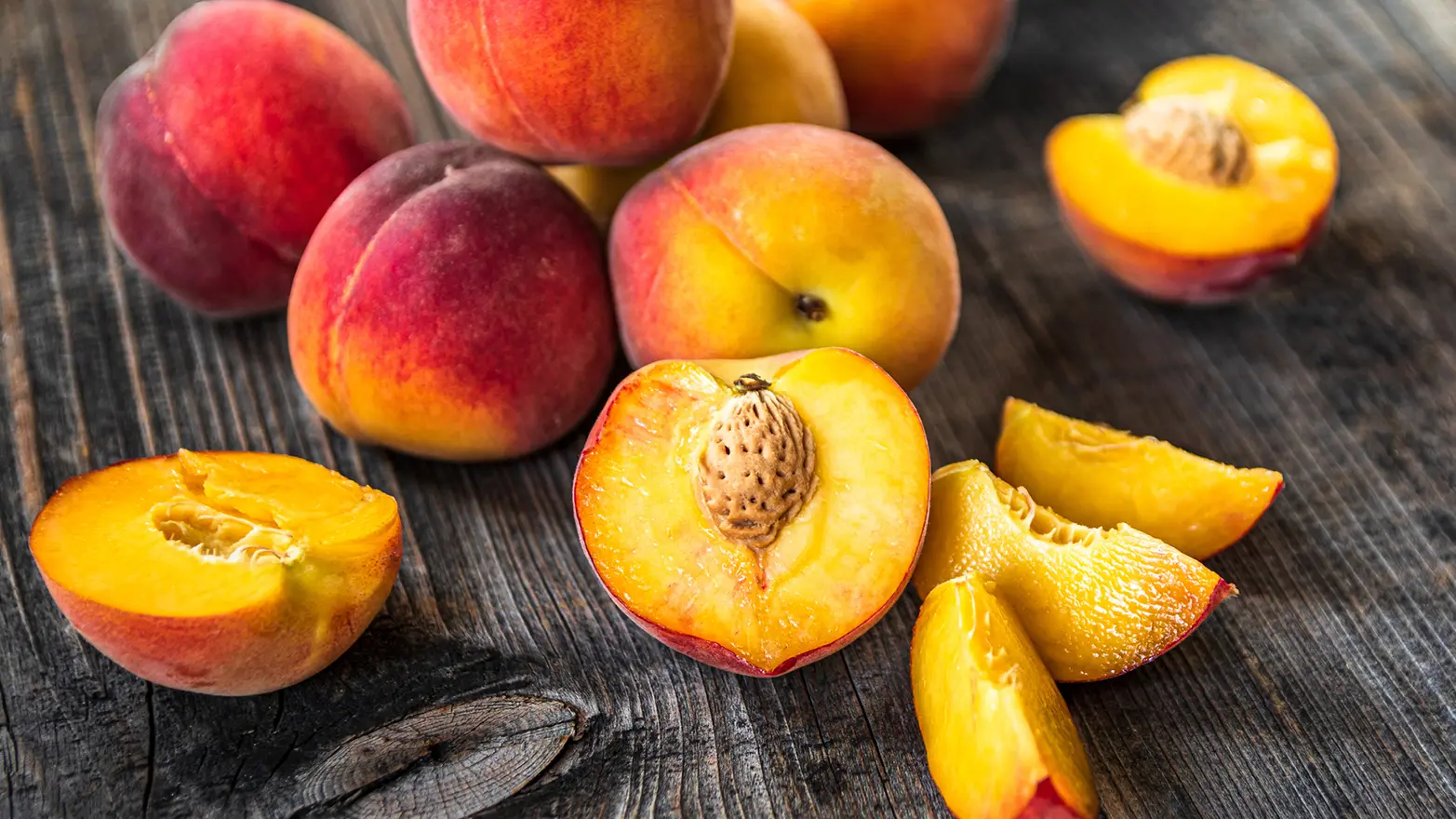
Peaches reach peak season during July and August, although some varieties appear earlier in the summer. They are known for their sweet flavor and soft, juicy texture, making them perfect for cobblers and other desserts.
Look for peaches with vibrant color and a slight softness near the stem. A fragrant aroma is also a good sign of ripeness.
6. Watermelon
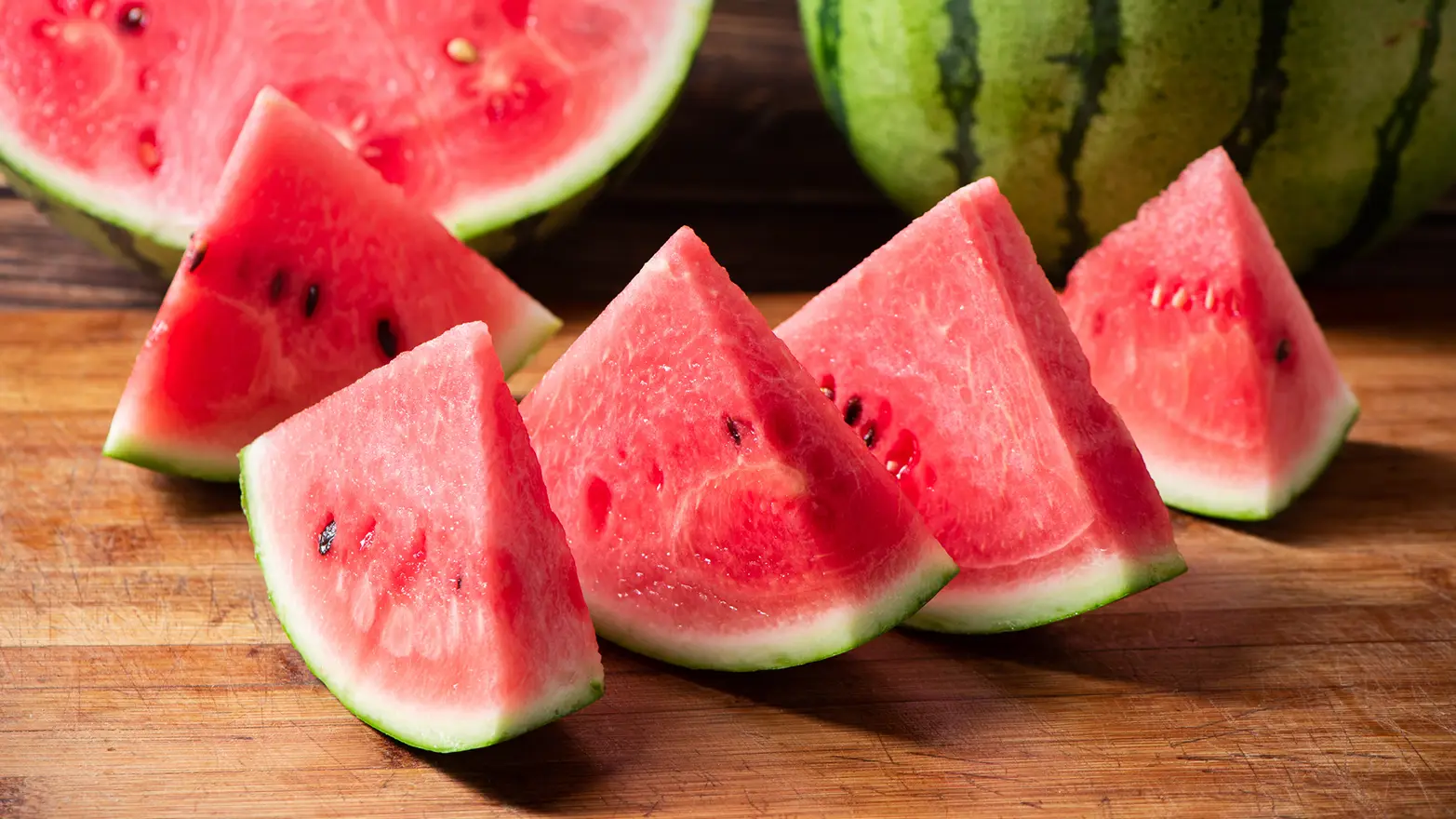
The watermelon is sweet, refreshing, and high in water content, making it ideal for warm-weather meals. When selecting one, look for a creamy yellow field spot where the melon rested on the ground and a heavy feel.
Watermelon is commonly served chilled in slices or cubes. It’s also a great option for blending into drinks.
Grab it now on Instacart


Fall fruits
Fall fruits tend to have longer shelf lives and deeper flavors, making them ideal for baking and cozy seasonal recipes.
1. Apples
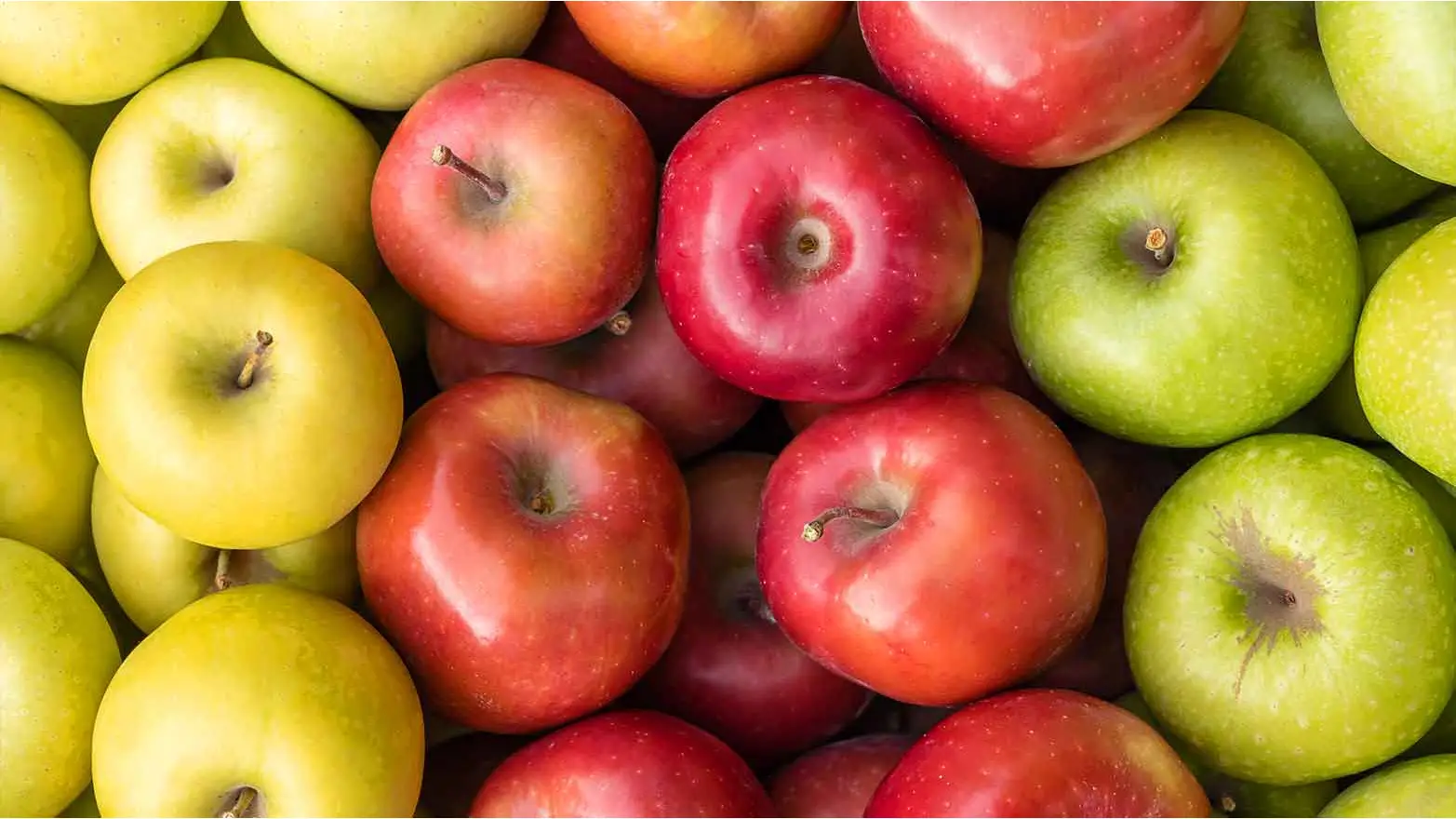
Apples are one of the most widely harvested fall fruits, with peak season from early July through November depending on the variety. They range in flavor from tart to sweet and are commonly used in pies, salads, sauces and snacks.
Apples should feel firm with smooth skin and vibrant color. Bruising can be a sign of either poor handling or old age.
2. Cranberries
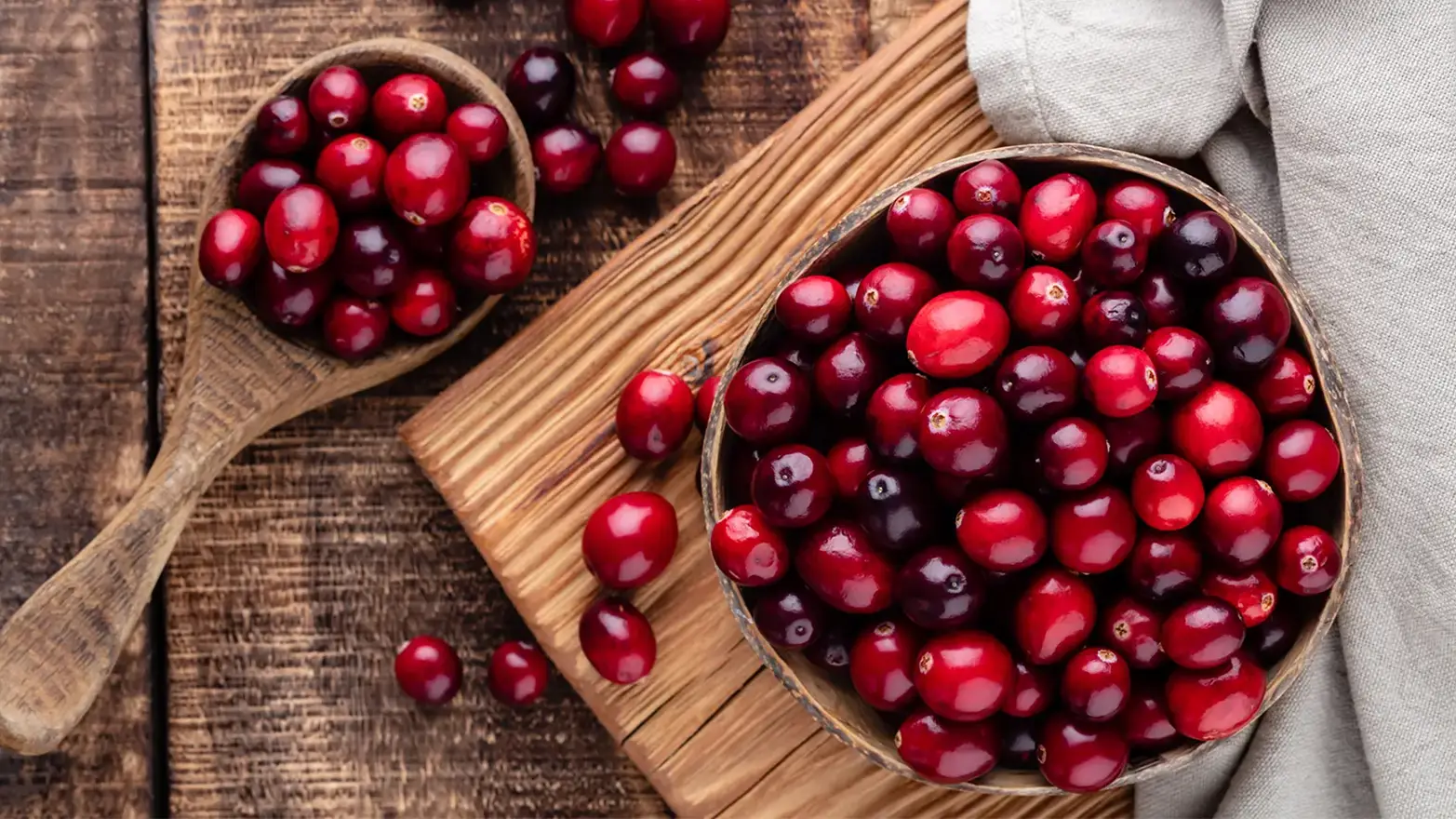
Cranberries are harvested in season from September through November, making them a staple in fall and holiday dishes. Their flavor is extremely tart, which is why they’re often sweetened when used in sauces or baked goods. Look for firm berries with a deep red color when selecting cranberries.
3. Grapes
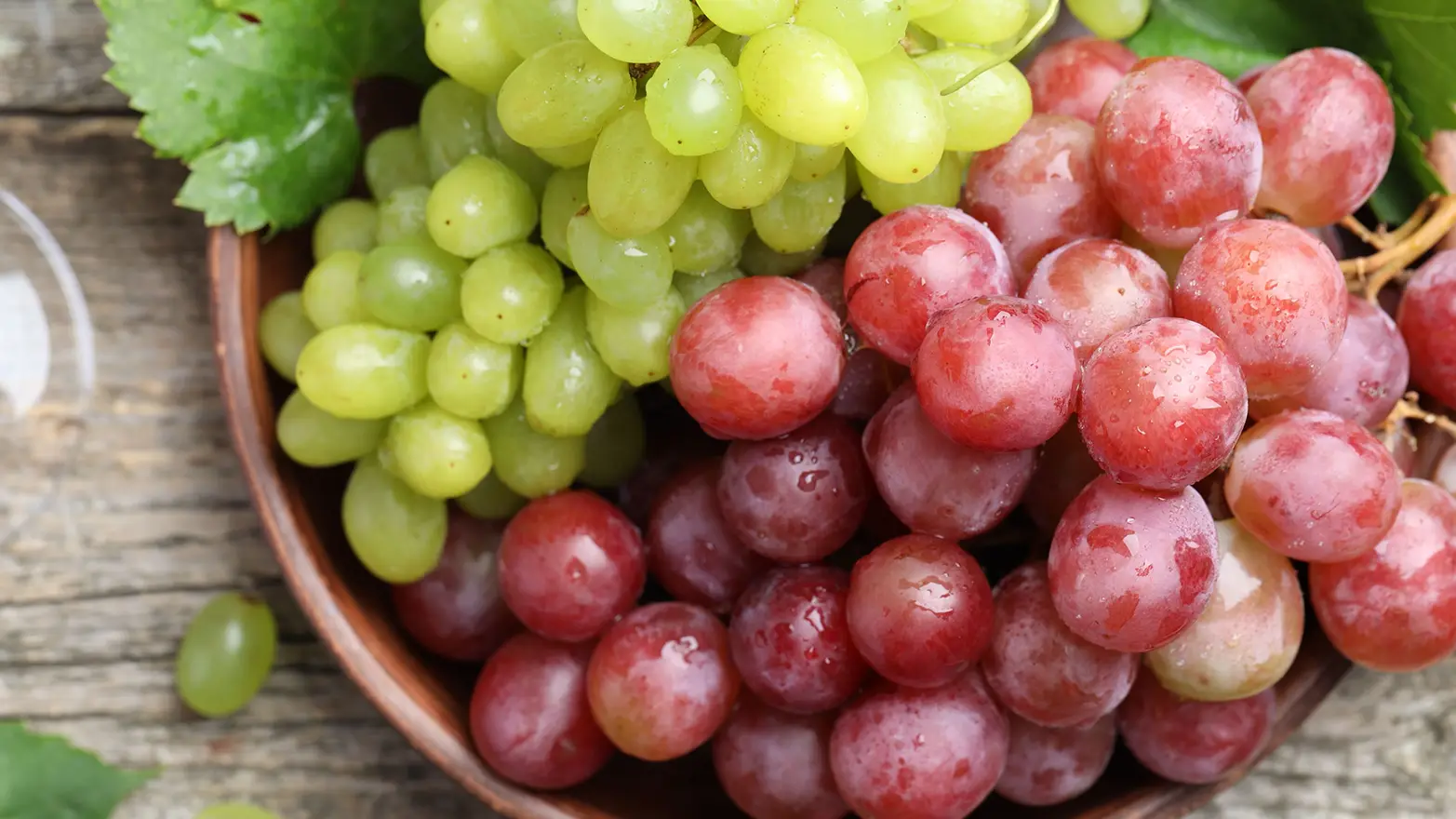
Grapes typically peak from August through October, although availability extends longer due to storage and imports. They are sweet, juicy, and commonly used for snacks, salads and juices. Choose grapes with firm skins and bright green stems attached to the bunch.
4. Pears
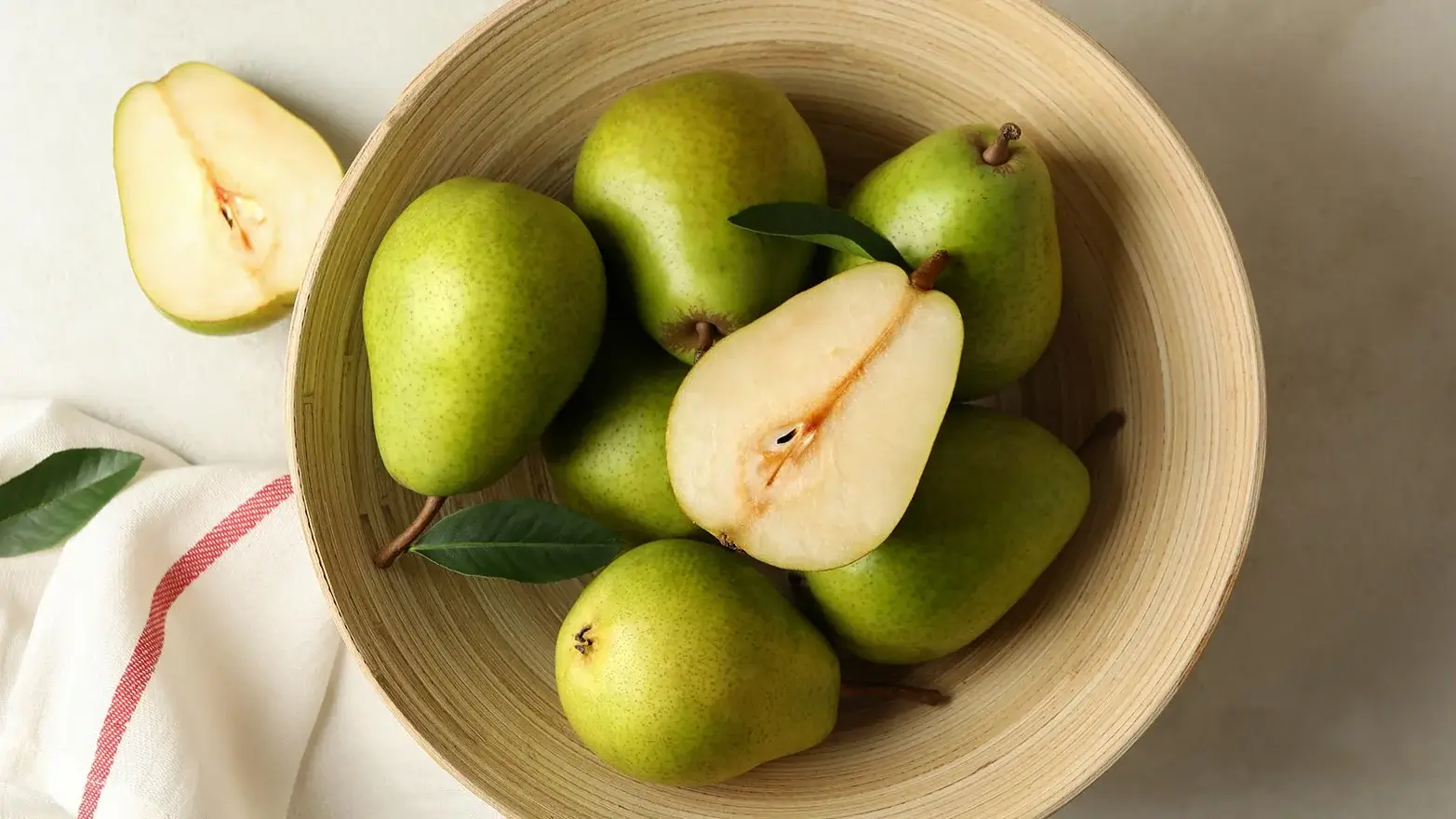
Pears are another fall favorite that typically ripen between August and October. Their mellow sweetness works well in desserts, salads and cheese pairings.
Unlike many fruits, pears are often harvested while still firm and ripen after being picked. To check ripeness, gently press near the stem — it should feel slightly soft.
5. Figs
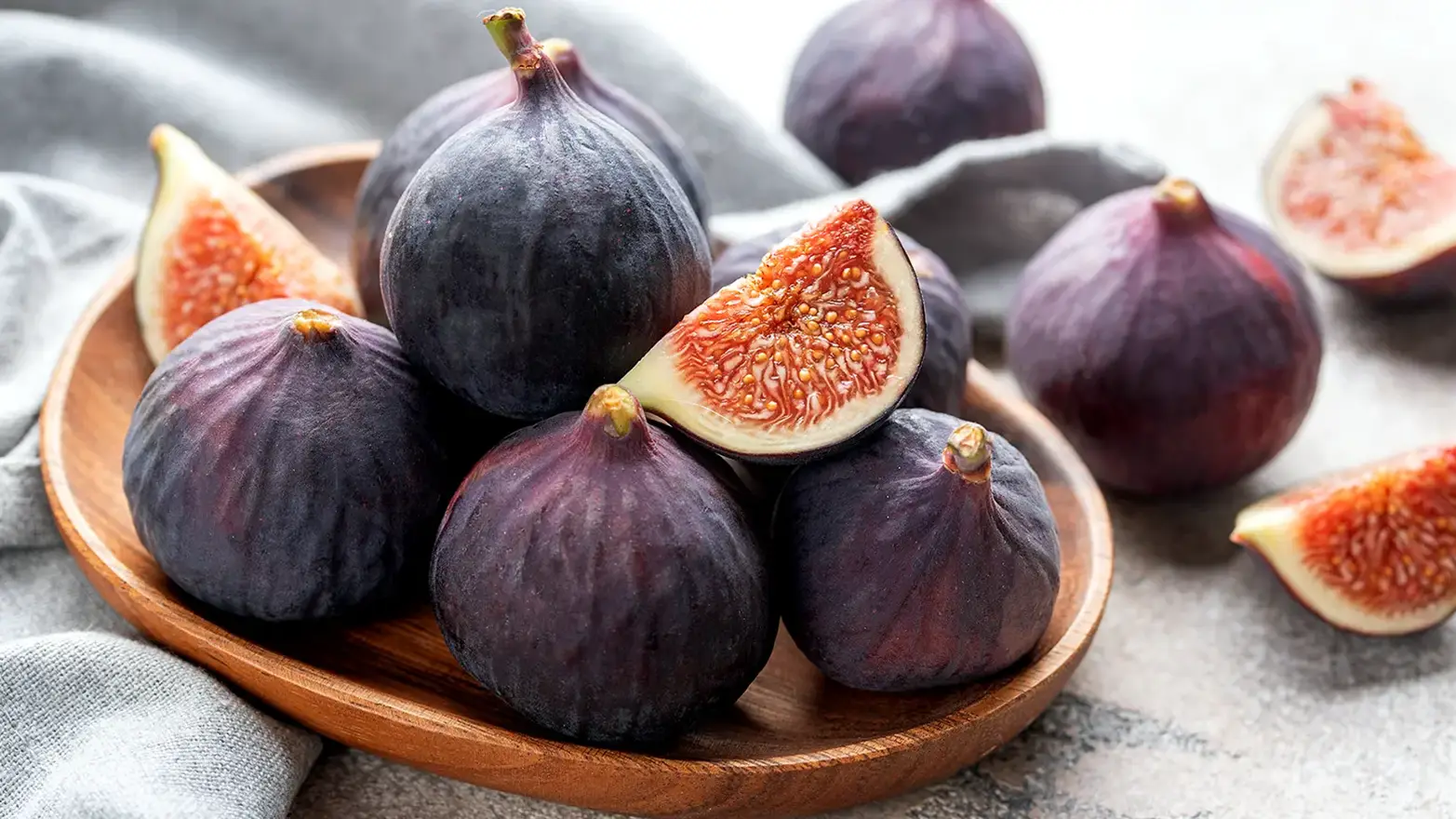
Fresh figs appear briefly during late summer and early fall, typically between August and October. They have a soft texture and honey-like sweetness.
Ripe figs should feel soft but not mushy and may release a light, sweet fragrance. Figs are delicate and are best enjoyed soon after purchase.
Winter fruits
Winter fruits help bring brightness to colder months and are often rich in vitamin C. When diving into what fruits are in season in winter, you’ll see a lot of citrus varieties harvested in warmer regions.
1. Grapefruit
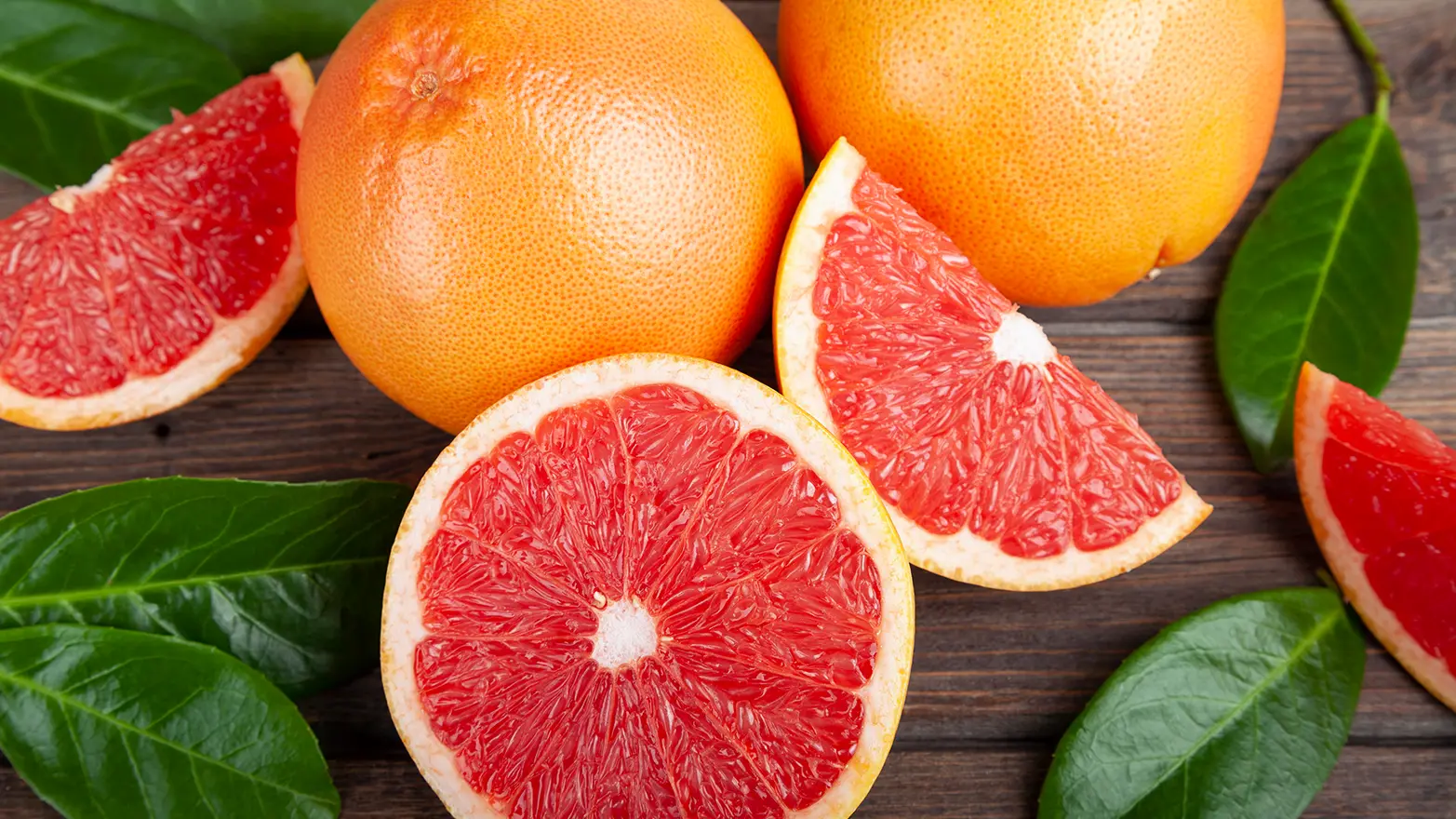
Grapefruit season usually runs from November through March. The fruit has a tangy flavor with mild sweetness, making it a popular breakfast choice. When shopping, look for grapefruit that feels heavy for its size and has smooth skin.
2. Kiwis
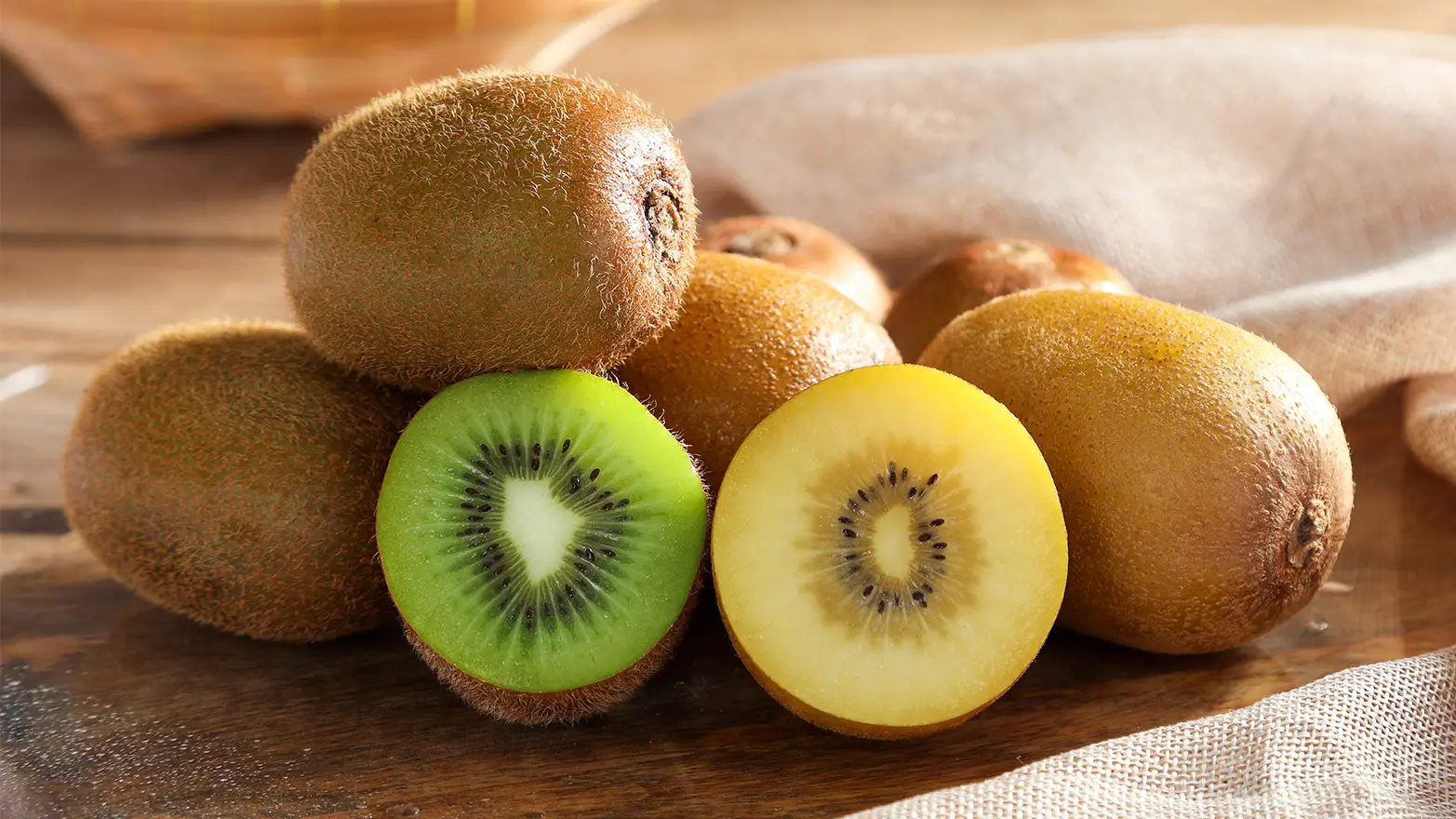
Kiwis are harvested in the late fall and winter months, typically in season from October through May. They have a sweet-tart flavor and bright green interior. A ripe kiwi will feel slightly soft when pressed, similar to a ripe peach.
3. Lemons
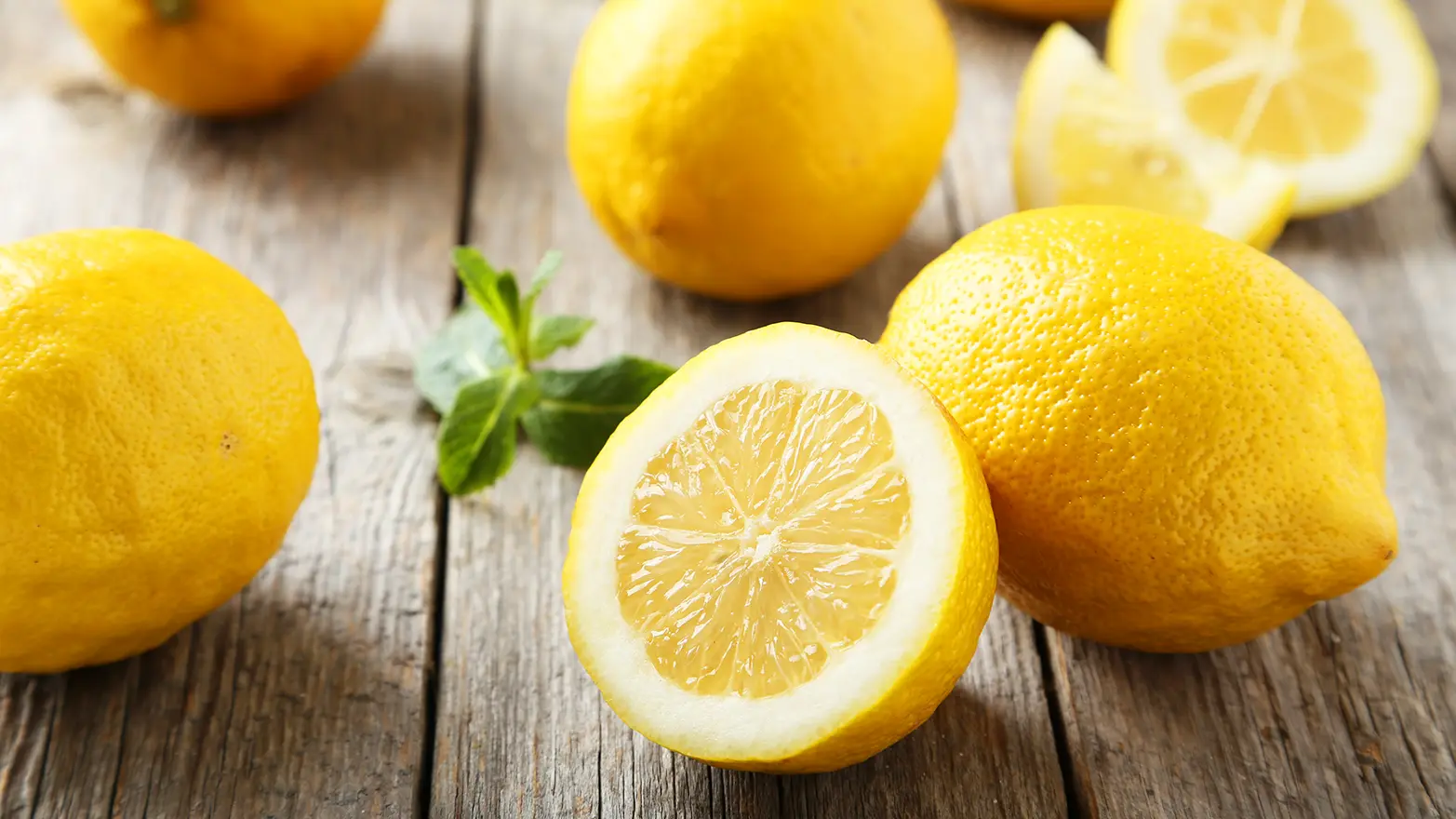
Lemons are available year-round but peak during winter and early spring. Their bright acidity makes them useful in cooking, baking, beverages and cocktails. Look for lemons with smooth, vibrant yellow skin and a firm texture.
4. Oranges
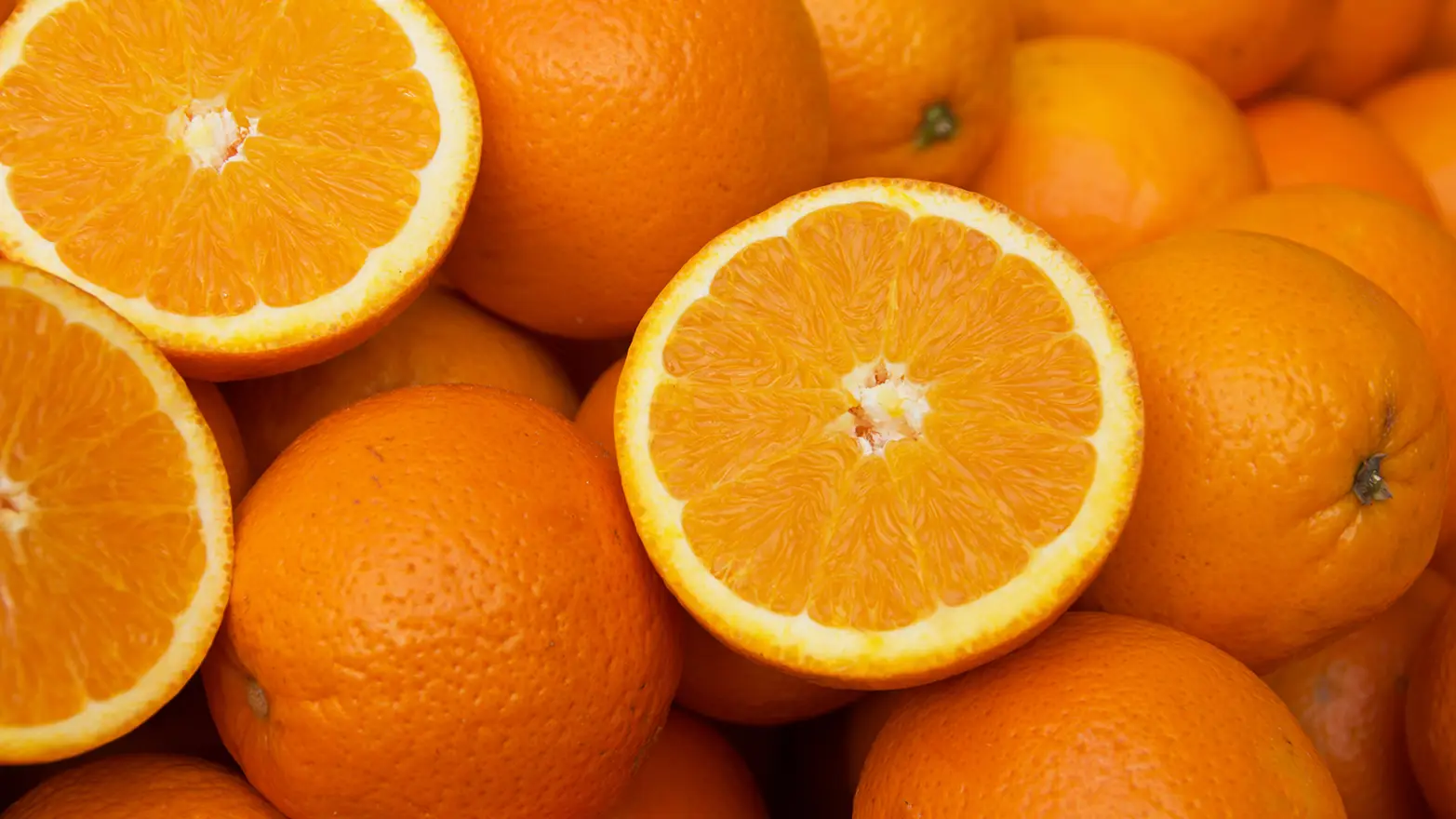
Oranges are among the most popular winter fruits, with peak fruit harvest season from December through March. They are sweet, juicy and commonly used for snacks, juices, salads and fruit platters.
Choose oranges that feel heavy and firm. Though color is usually important, it’s not always the best indicator of an orange’s ripeness.
Year-round grocery staples
Some fruits are available throughout the year thanks to multiple growing regions and global sourcing. These fruits are reliable additions to any grocery list.
1. Avocados
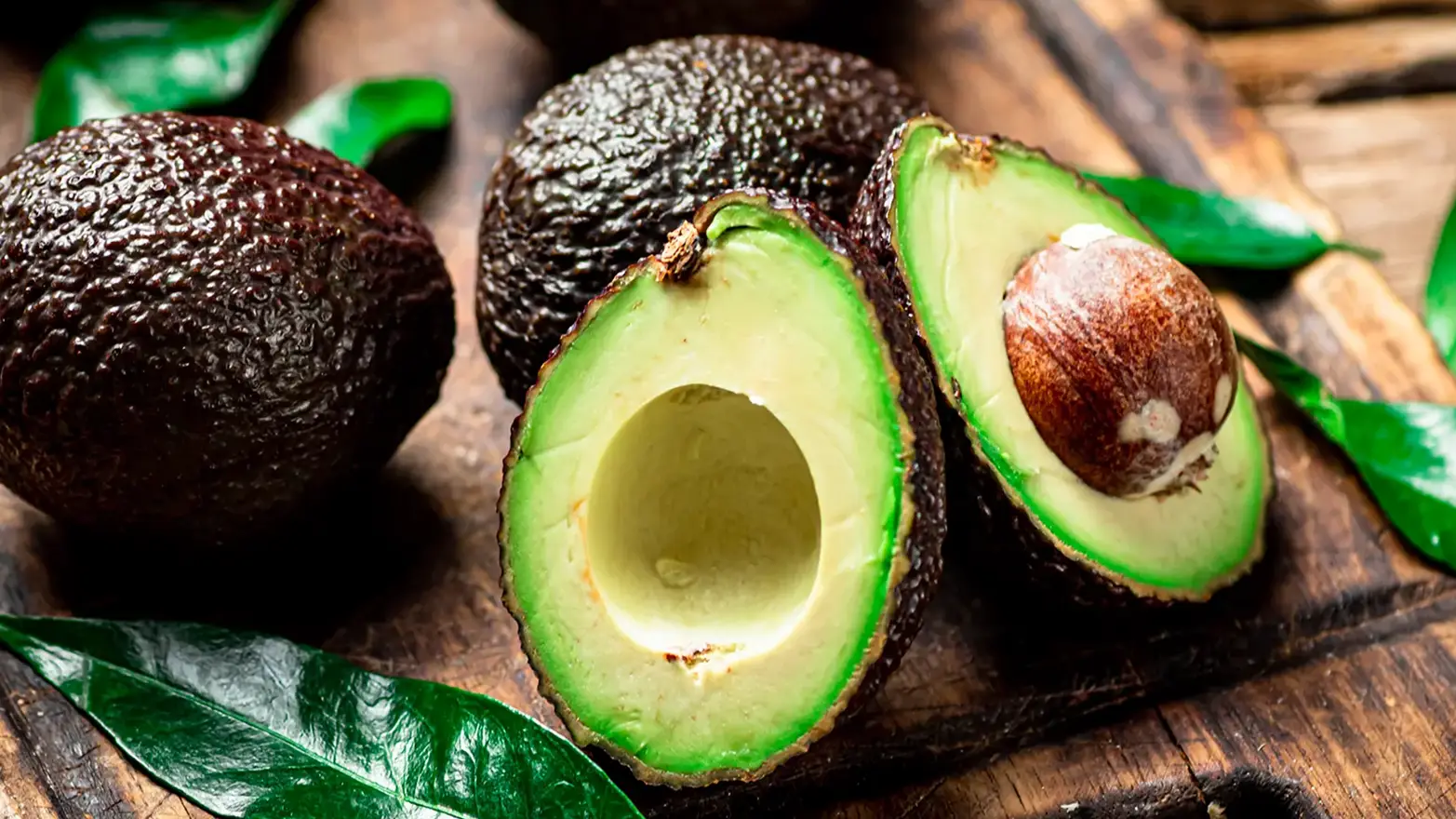
Avocados are harvested at different times across growing regions, making them available nearly year-round. They have a creamy texture and mild flavor often used in spreads, salads, dips and sandwiches.
A ripe avocado will feel slightly soft when pressed, but it should not feel mushy. Once ripe, pop it in the fridge to slow the process and buy yourself a few extra days — but leave it at room temperature until it gets there.
2. Bananas
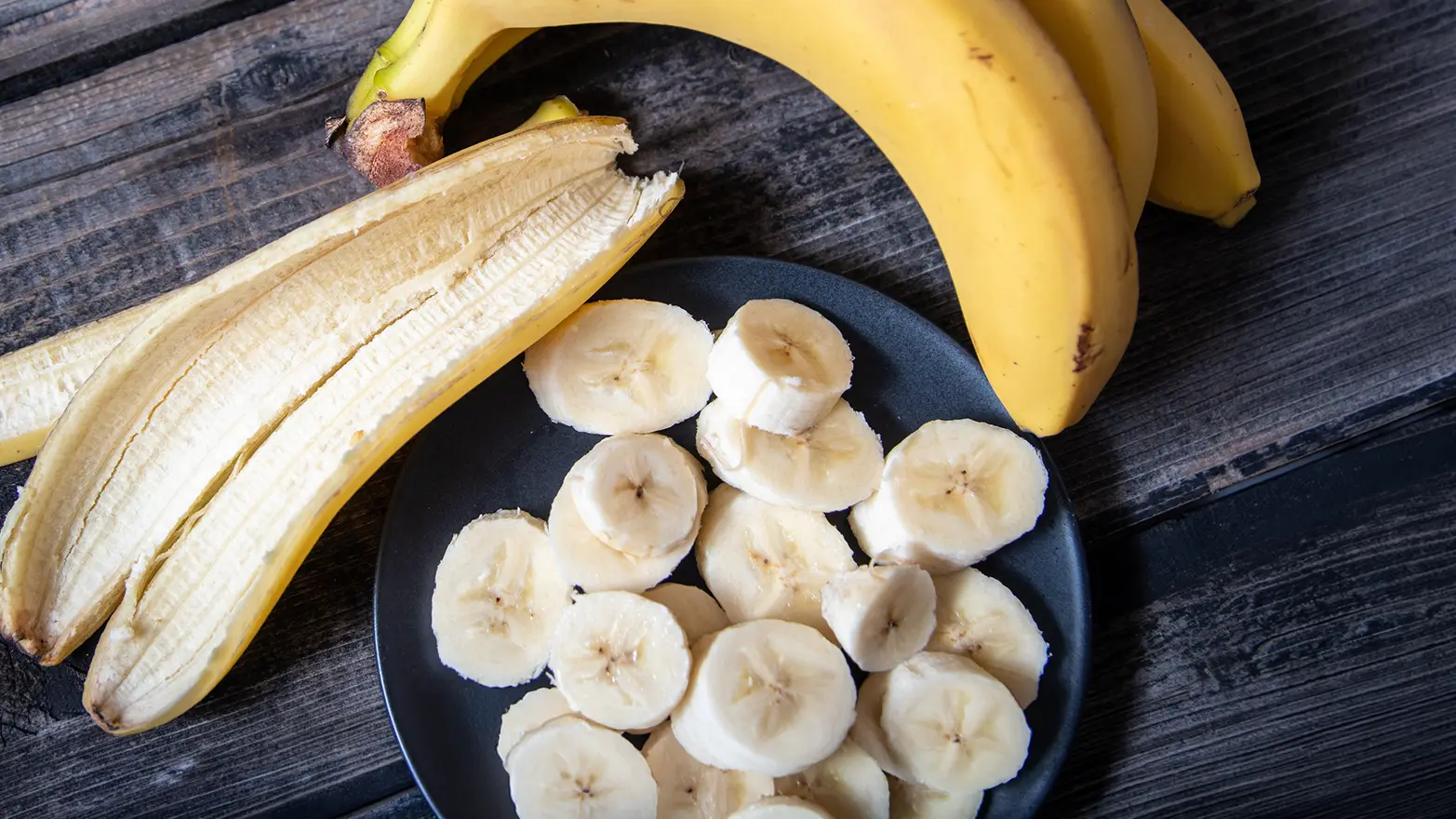
Bananas are available year-round and are one of the most widely consumed fruits. They have a naturally sweet flavor and are commonly used in smoothies and baking.
Banana ripeness can be determined by peel color, which ranges from green to bright yellow with brown speckles. When green, it's firm and starchy; when yellow, it's sweet and easy to eat. Once brown spots appear, it's overripe and perfect for baking.
3. Pineapples
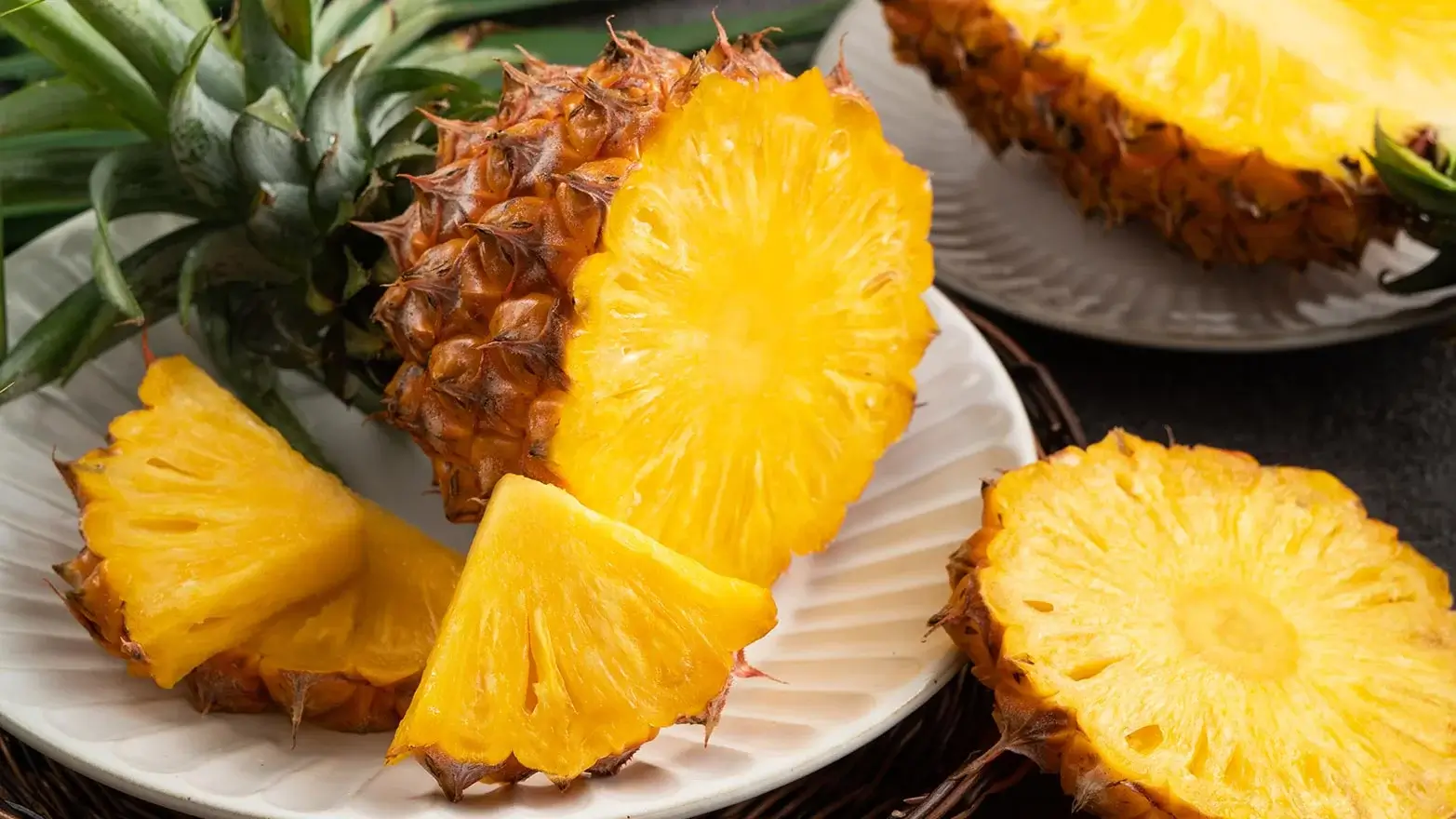
Pineapples are another fruit commonly available throughout the year, although peak harvest typically occurs in spring and summer. They have a tropical sweetness with a slight tang and are often used in smoothies, desserts, sauces, savory dishes and pizza (this last one is divisive).
Look for pineapples with golden skin and fresh green leaves. A ripe pineapple should feel heavy for its size, a sign of a juicy interior.
Shop fresh seasonal fruit on Instacart
Knowing what fruit is in season right now helps you build a better grocery list. Plus, seasonal shopping can simplify meal prep and reduce food waste.
If you’re ready to take your pick, you can browse fresh fruit and pantry staples through Instacart and receive groceries delivered right to your door.