Life transitions like bringing home a new baby or recovering from surgery are exhausting, and the last thing anyone wants to think about is what’s for dinner. If you’re looking for a way to support someone through a big change, you might be wondering, what is a meal train?
They say food is the ultimate love language, and a meal train is that idea in action. It’s a practical way to show up for your community, taking the stress off their plate so they can focus on rest and recovery. Read on to learn how to organize a seamless schedule and choose the best recipes to support your loved ones when they need it most.
What is a meal train?
A meal train is a community-led effort where friends, family and neighbors sign up to prepare and deliver meals for someone navigating a major life transition. It’s a practical way to support a loved one by making sure they have fresh food on the table without the added stress of meal planning, grocery shopping or cooking.
Beyond just filling the fridge, a meal train acts as a tangible reminder that a community is looking out for one another. By organizing a schedule, you can provide consistent support during times when daily chores feel impossible for someone to manage alone.
Who might need a meal train?
Anyone navigating a busy or difficult season of life can benefit from a meal train. While every situation is unique, some of the most common reasons to start a meal train include:
Parents welcoming a new baby: Organizing food delivery for new parents, starting a meal train or other new parent gifts are all great ways to help them take care of themselves.
Patients recovering from surgery or illness: A meal train is a practical way to handle what to send someone after surgery, providing a steady supply of food while the recipient heals.
Families navigating grief and loss: A meal train is a practical way to send support when someone dies, providing a warm dinner and a moment of connection when it's needed most.
Friends or neighbors moving to a new home: Between packing boxes and setting up a new kitchen, a delivered meal is a lifesaver.
Seniors or older adults needing support: For older family members or neighbors with mobility issues, starting a meal train or arranging grocery delivery for seniorshelps them stay well-fed and connected to their community.
Anyone facing major life stressors: Unexpected events like a job loss or a family emergency can make daily chores feel impossible to manage alone.Who might need a meal train?
How to know if somebody needs a meal train
If you’re unsure whether a friend or neighbor would appreciate the help, ask yourself a few questions:
Are they finding it hard to make time for grocery shopping?
Is a physical recovery or injury limiting their ability to stand and cook in the kitchen?
Are they skipping meals or relying on snacks because they’re too busy or overwhelmed?
Do they have a newborn or a full house that makes meal planning a low priority right now?
Would they benefit fromhigh-protein meal options that focus on fresh, nutritious ingredients?
How does a meal train work?
Getting a meal train started is all about managing the details. Following these steps for how to set up a meal train will help you organize your community so your loved ones stay well-fed without any added stress.
Step 1: Choose a coordinator
Every meal train needs a conductor. If you’re taking on this role, make sure you have the time to manage the schedule and check in with the group. If the task feels too big to handle alone, you can always ask a friend to help you co-manage the logistics so the recipient doesn’t have to worry about the details.
Step 2: Check for allergies and delivery preferences
Before you start the schedule, check in with the recipient to get the details right. Start with the basics like food allergies, dietary restrictions or any ingredients they want to avoid. You can also ask about their favorite comfort foods or whether there are any meals they’ve had too many times recently.
The logistics are just as important as the menu. Ask where they would like the food left, such as in a cooler on the front porch. Find out the best time for deliveries so drop-offs do not interrupt a nap or a busy part of the day. Finally, check whether they are up for a quick visit or would prefer contactless delivery so they can focus on resting.
Step 3: Choose a coordination tool
Meal train sign-up is much easier with the right tools. While a shared spreadsheet or digital calendar is a solid option, specialized websites like MealTrain.com can centralize dietary restrictions, preferred delivery windows, and options for long-distance support.
It lets everyone see exactly what others are bringing, helping prevent the recipient from getting the same meal several days in a row. Most of these tools also send out automatic reminders and allow you to include an Instacart gift card link for friends who live far away, so you don’t have to spend your time manually following up with everyone on the list.
Step 4: Invite friends and family
Once you have the schedule ready, it’s time to get the word out. Start by reaching out to the people closest to the recipient who might want to help, such as:
Family members
Friends
Neighbors
Co-workers
To make it easy for everyone to join, share the sign-up link in the places your community already hangs out. You might post it in a neighborhood Facebook group, an office Slack channel or even the family group text. The more people who see the link, the easier it is to fill the calendar and provide the support your friend needs.
Step 5: Establish clear delivery rules
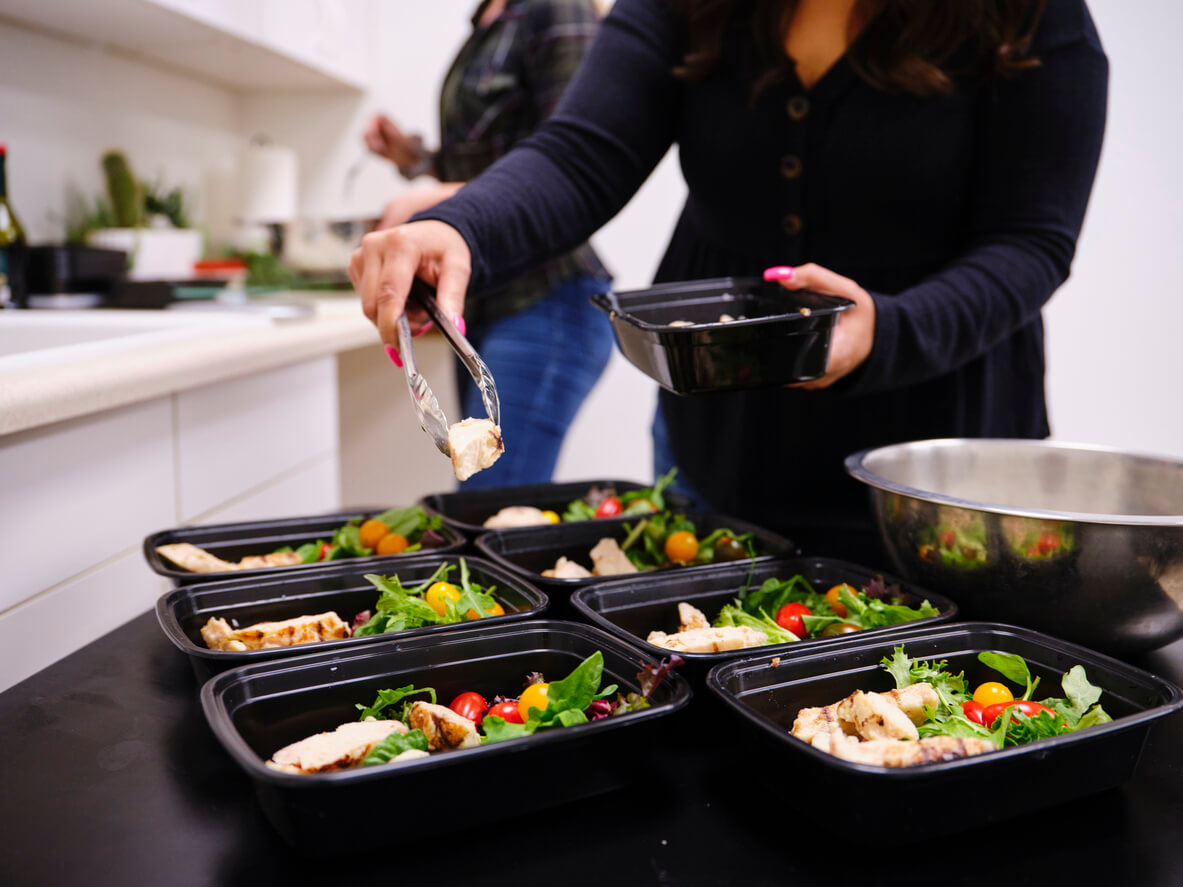
Setting clear delivery rules makes the process easier for everyone involved. To keep things stress-free for the recipient, ask participants to use disposable containers. This means they won’t have to worry about washing dishes or coordinating the return of a favorite casserole dish while they are busy or recovering.
Encourage everyone to label their meals with the dish name, the date you made it and clear reheating instructions. These small details make it much easier for the family to get a hot meal on the table whenever they’re ready to eat.
Step 6: Add a grocery delivery option
Sometimes the best way to support someone is by restocking their kitchen. You can include a slot on the meal train schedule for a grocery delivery, which is a perfect solution for friends who live far away or don’t have time to cook. This gives the recipient a chance to request everyday essentials like milk, fresh fruit or snacks they might be running low on.
Participants can use Instacart to send a grocery care package or even a ready-to-eat meal from a local store. Filling gaps in the calendar this way keeps the pantry stocked with family favorites, all without requiring anyone to spend the afternoon over a stove.
What equipment and tools do you need for a meal train?
Being prepared makes everything easier for both you and the person you’re helping. Here are a few items that come in handy for a smooth delivery:
A sign-up tool or spreadsheet: Whether you use a specialized app or a shared spreadsheet, having a central place to track dates and dishes is key to staying organized.
A porch cooler: This is perfect for contactless drop-offs, keeping the food at the right temperature until the recipient is ready for it.
Disposable containers: Stick to containers that the recipient doesn’t have to wash or return.
Packaging supplies: Keep aluminum foil, food storage bags and plastic wrap on hand for easy transport and to keep everything fresh.
Meal train FAQ
Organizing a support system often brings up a few lingering questions about etiquette or last-minute logistics. These quick answers help you navigate the process with confidence so you can focus on showing up for your loved ones.
How long should a meal train last?
A meal train typically lasts between two and four weeks, depending on the recipient's needs. For example, a two-week schedule is standard for a new baby, while recovery from a major surgery or a loss might require a longer duration. It’s always a good idea to check in after the first week to see if they would like to extend the support for a few more days.
What is the best time to deliver a meal?
Most people prefer deliveries between 4:00 p.m. and 5:00 p.m., so they have plenty of time to get settled before dinner. It’s always best to check the sign-up link for specific instructions first to make sure your drop-off doesn’t interfere with nap schedules or other daily routines.
Do I need to send a thank-you note for every meal?
No, you don’t need to send a formal thank-you note for every delivery. The goal of a meal train is to lower your stress, so a quick text message is more than enough. Most friends and family understand you’re busy and don’t expect any response at all while you’re focusing on your recovery.
What are some good meal train meals?
The best meals are those that travel well, reheat easily and can be frozen for later if the fridge is already full. Focus on comforting favorites like hearty casseroles, warm soups or customizable kits that let the family eat on their own schedule. For inspiration, check out this list of 35 meal train ideas.
How to start a meal train with Instacart
Starting a meal train is one of the most practical ways to show up for the people in your life. Whether you’re the coordinator or a participant, ordering delivery through Instacart makes it simple to get fresh groceries and ready-made meals sent directly to the recipient.
It’s a great solution for busy schedules or for friends who live out of town but still want to help. This hands-off approach to shopping and delivery keeps the kitchen stocked and the family fed, giving your loved ones the space they need to focus on what matters most.