Fresh flowers can instantly brighten a room and even improve your mood. And with so many types of flowers available, you can have your choice of bouquet with blooms that fit any space or special occasion.
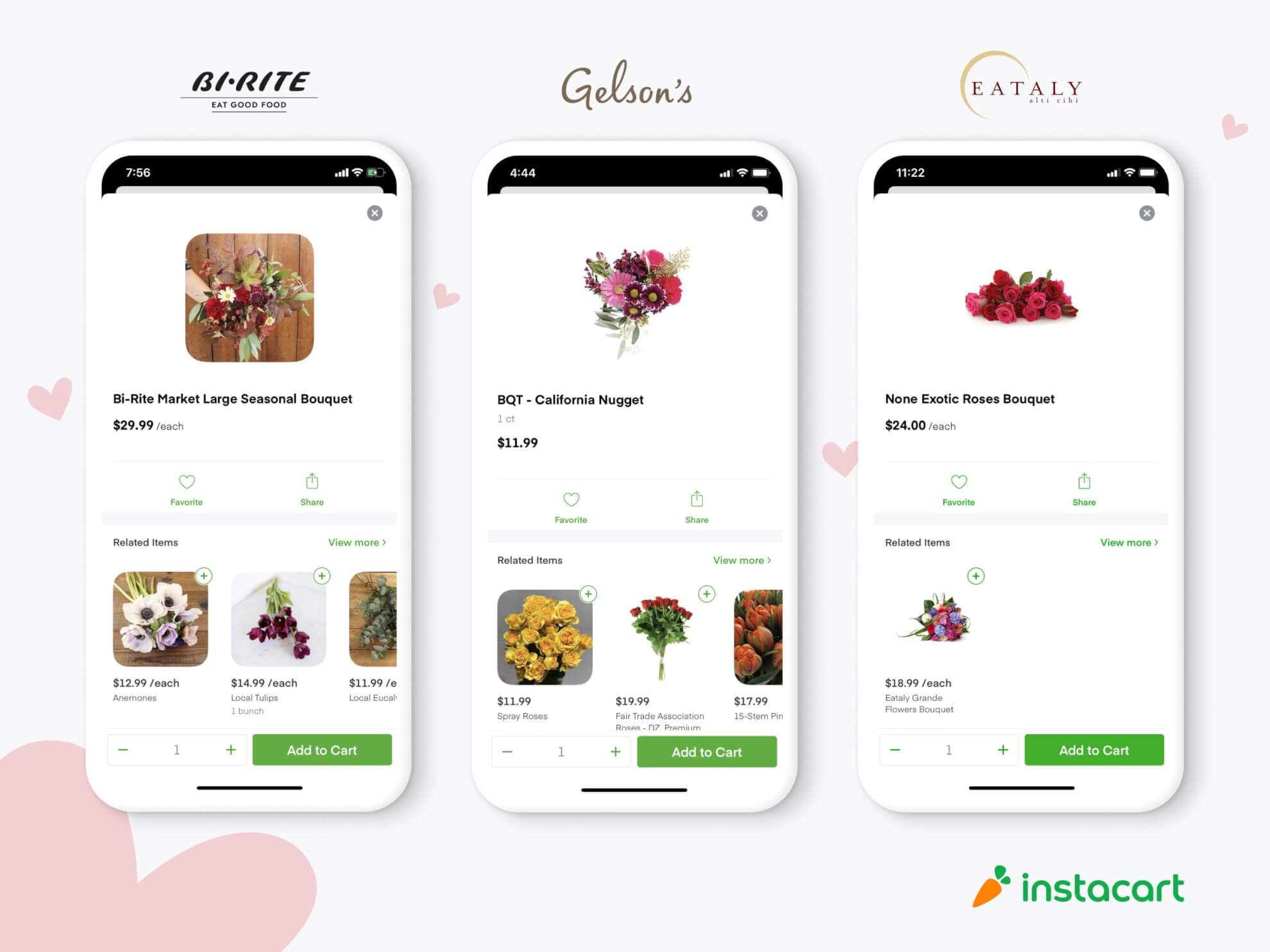
Explore the 2026 floral trends, the different types of flowers, their symbolism and care tips. Whether you’re decorating your home or searching for a thoughtful gift, you can discover beautiful flowers and have them delivered through Instacart, using same-day delivery of fresh blooms from local stores.
1. Rose
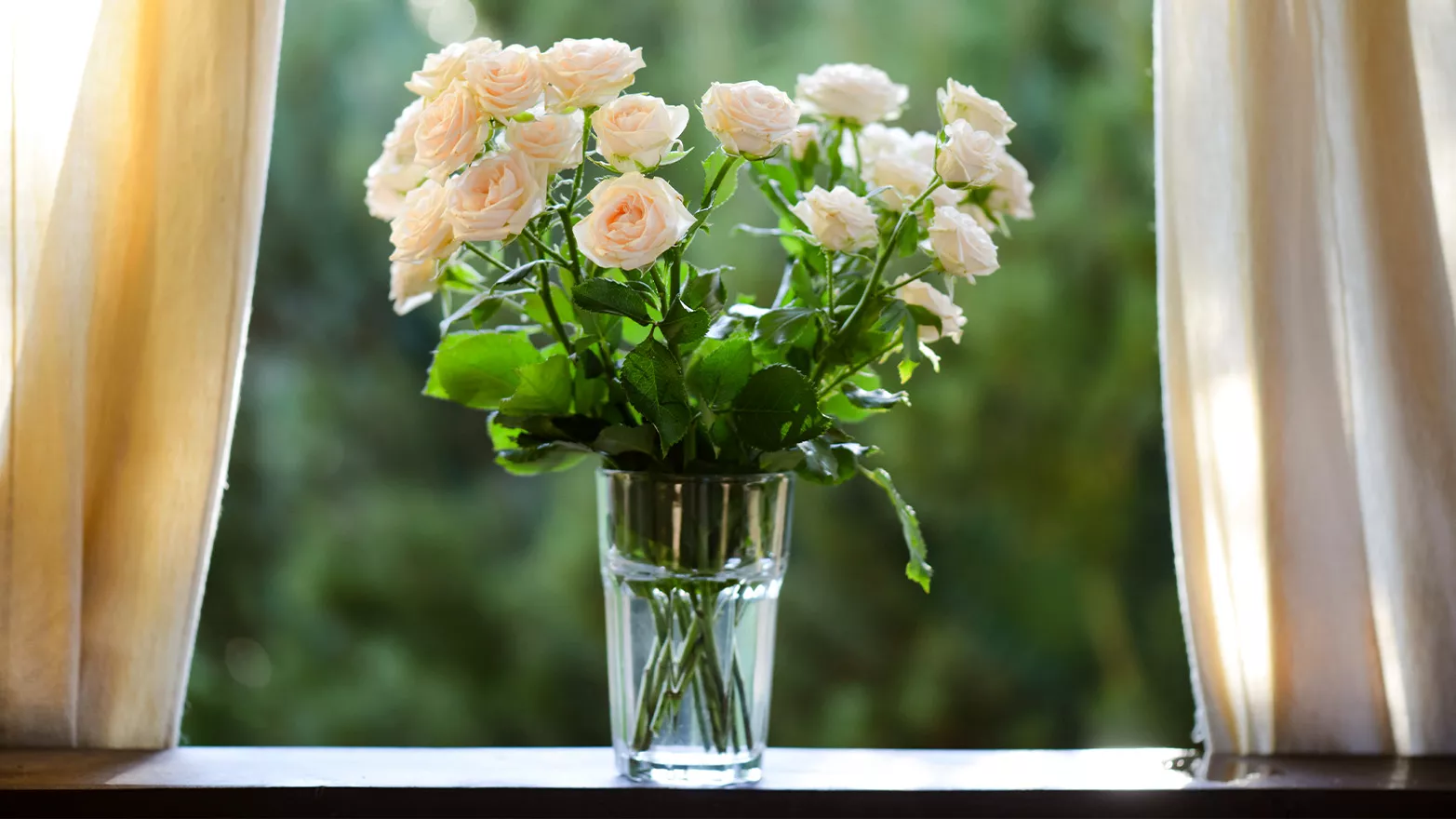
Roses are among the most iconic and elegant types of flowers, widely recognized for their beauty and symbolism. They appear in everything from a surprise romantic gift to formal centerpieces, known for representing love and gratitude. They never go out of style and maintain their firm place in trending lists.
Popular varieties include hybrid tea roses, which feature a single bloom per stem and spray roses, which grow clusters of smaller flowers. Spray roses are perfect for adding volume to arrangements. As cut flowers, they thrive with simple care.
2. Tulip
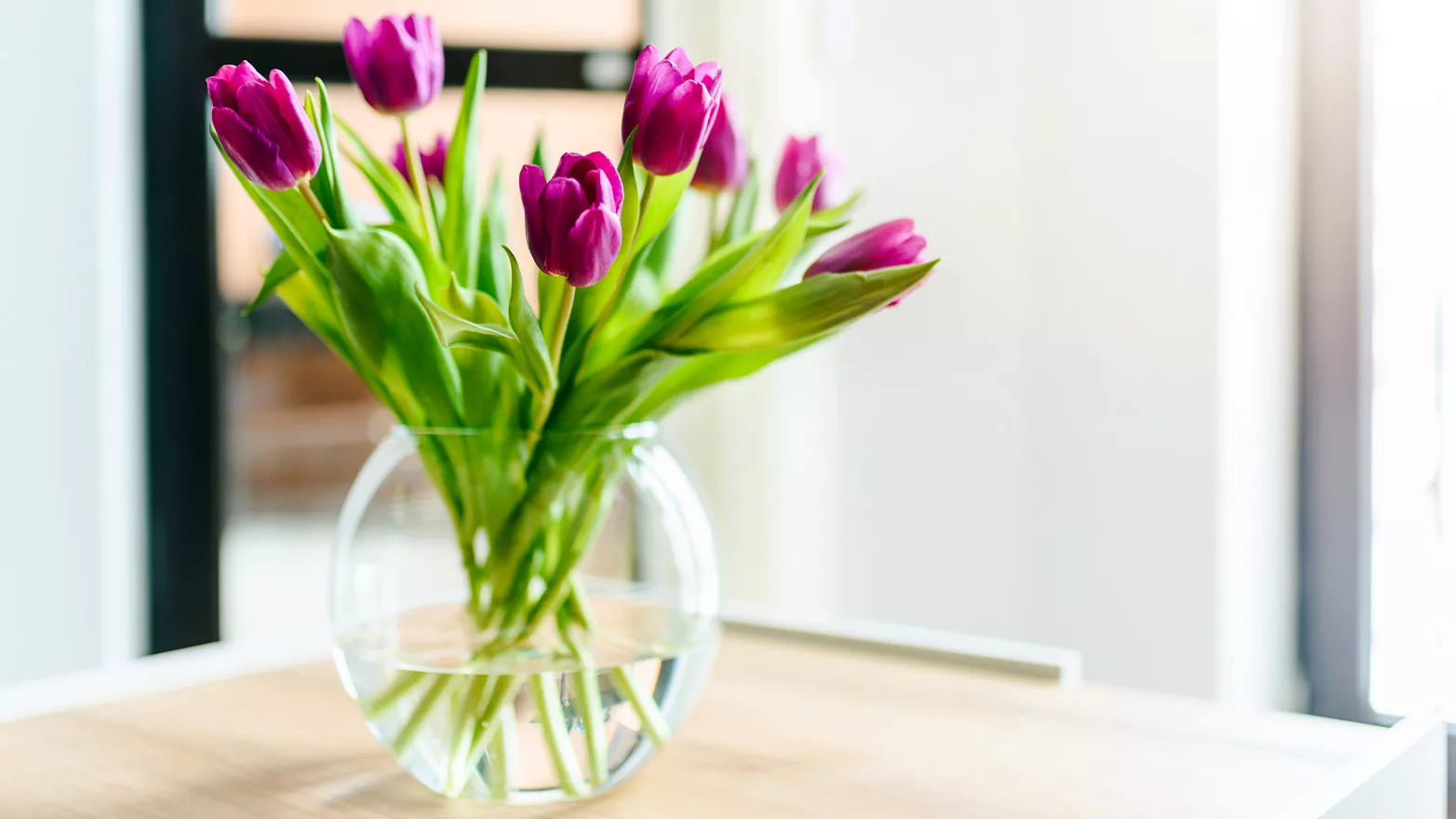
Tulips are elegant spring blooms known for their smooth, cup-shaped petals and vibrant colors. Specialty varieties like fringed tulips and parrot tulips feature textured or ruffled edges, adding dramatic flair to the trending cascading tulip bouquets.
These flowers come in nearly every shade imaginable, including red, pink, yellow, white and even deep purple. One unique trait is that tulips continue to grow slightly after being cut, sometimes stretching toward light sources in a vase.
3. Lily
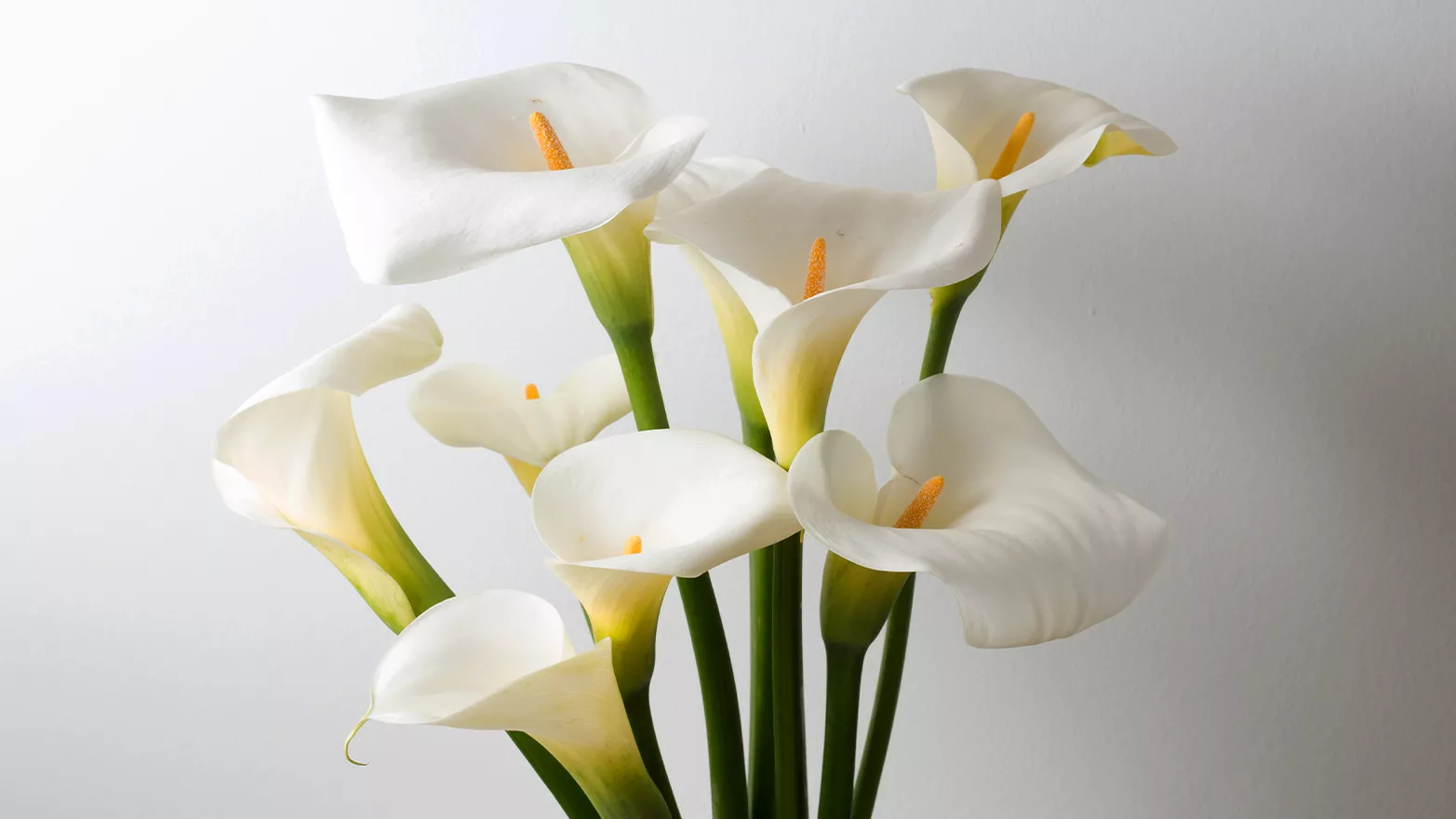
Lily flowers are prized for their striking trumpet-shaped petals and powerful fragrance. Popular varieties include Stargazer lilies and Oriental lilies, each offering dramatic color and visual impact in floral displays.
Though not technically a lily, Calla lilies are still some of the most popular flowers. The lily has long been associated with purity and renewal, making them common choices for ceremonial arrangements and care packages. However, pet owners should take note that many lily species are toxic to cats.
4. Sunflower
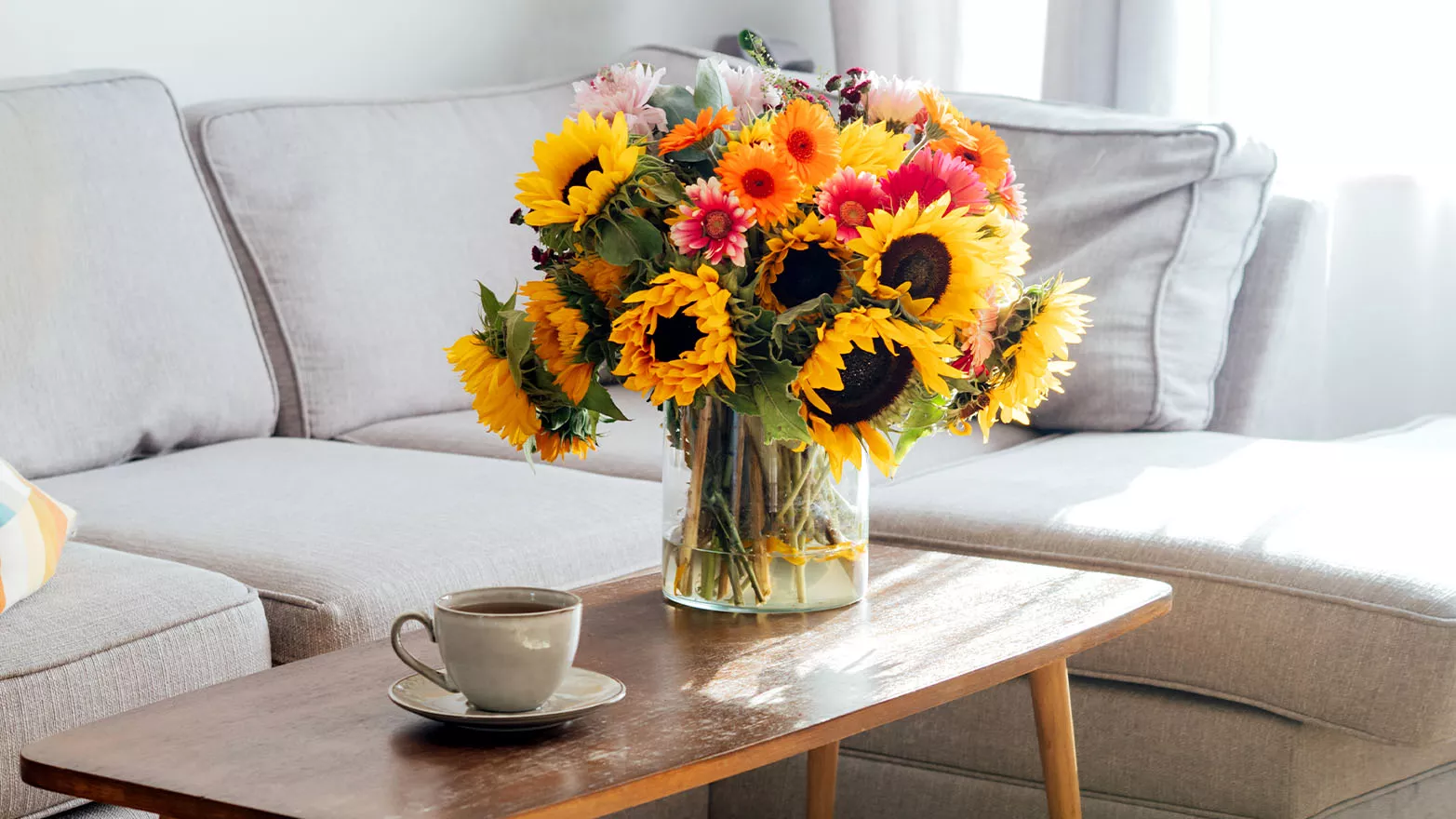
Sunflowers are instantly recognizable thanks to their tall stems and large golden-yellow petals surrounding dark centers. These cheerful, sunny blooms symbolize loyalty, happiness and longevity, which is why they’re often used to brighten homes and celebrate joyful occasions.
They thrive in bright environments with moderate water. Because of their bold appearance, sunflowers are especially popular in rustic floral arrangements, summer bouquets and seasonal home displays. They also make a great get-well gift.
5. Daisy
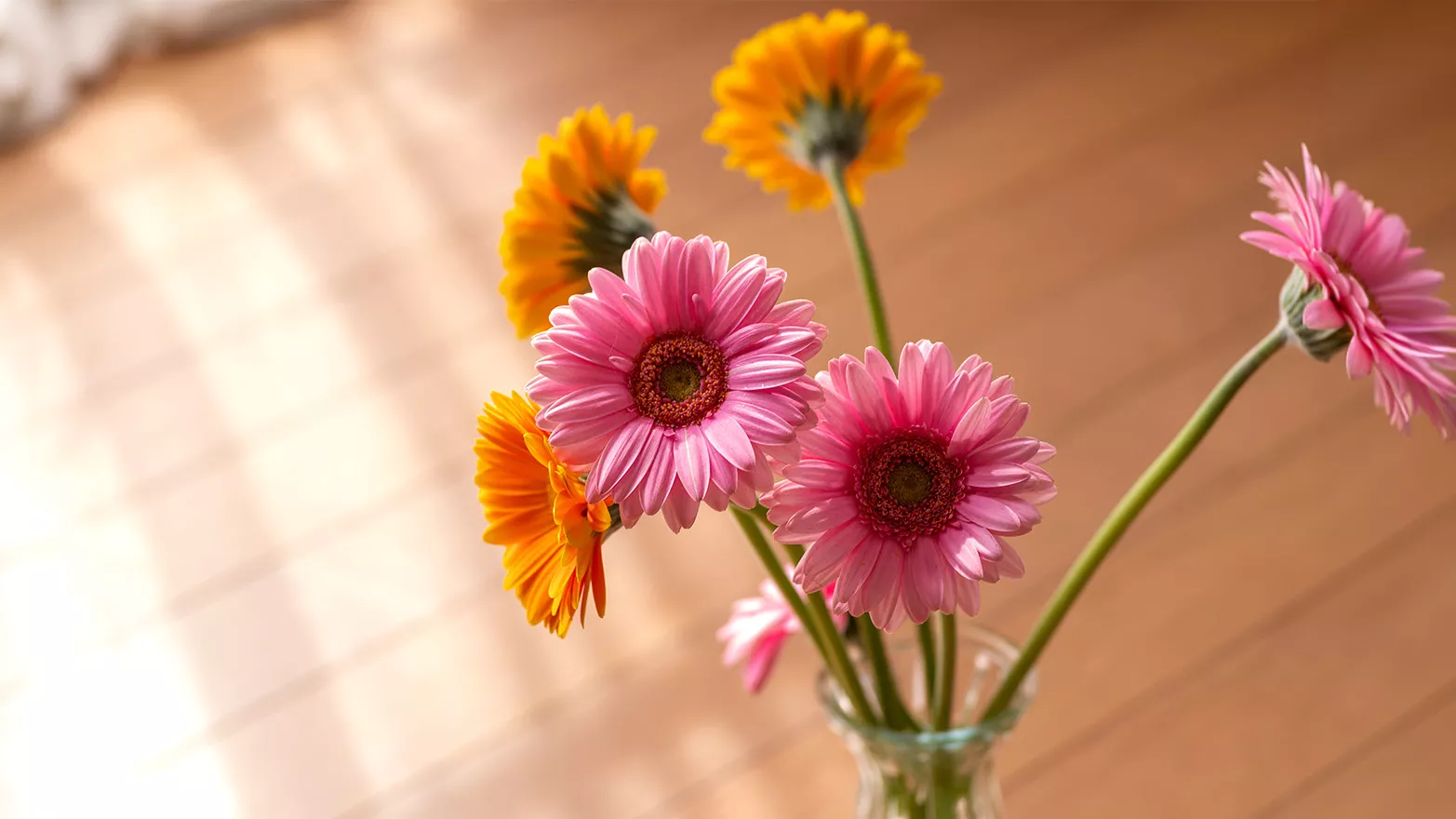
Daisies are beloved for their simple charm and cheerful appearance. These flowers feature bright centers surrounded by delicate petals that radiate outward, creating a clean and timeless look.
Popular varieties include Gerbera daisies, known for their vivid colors and Shasta daisies, which feature classic white petals with golden centers. As cut flowers, they’re valued for their durability and long vase life compared to more delicate blooms.
6. Orchid
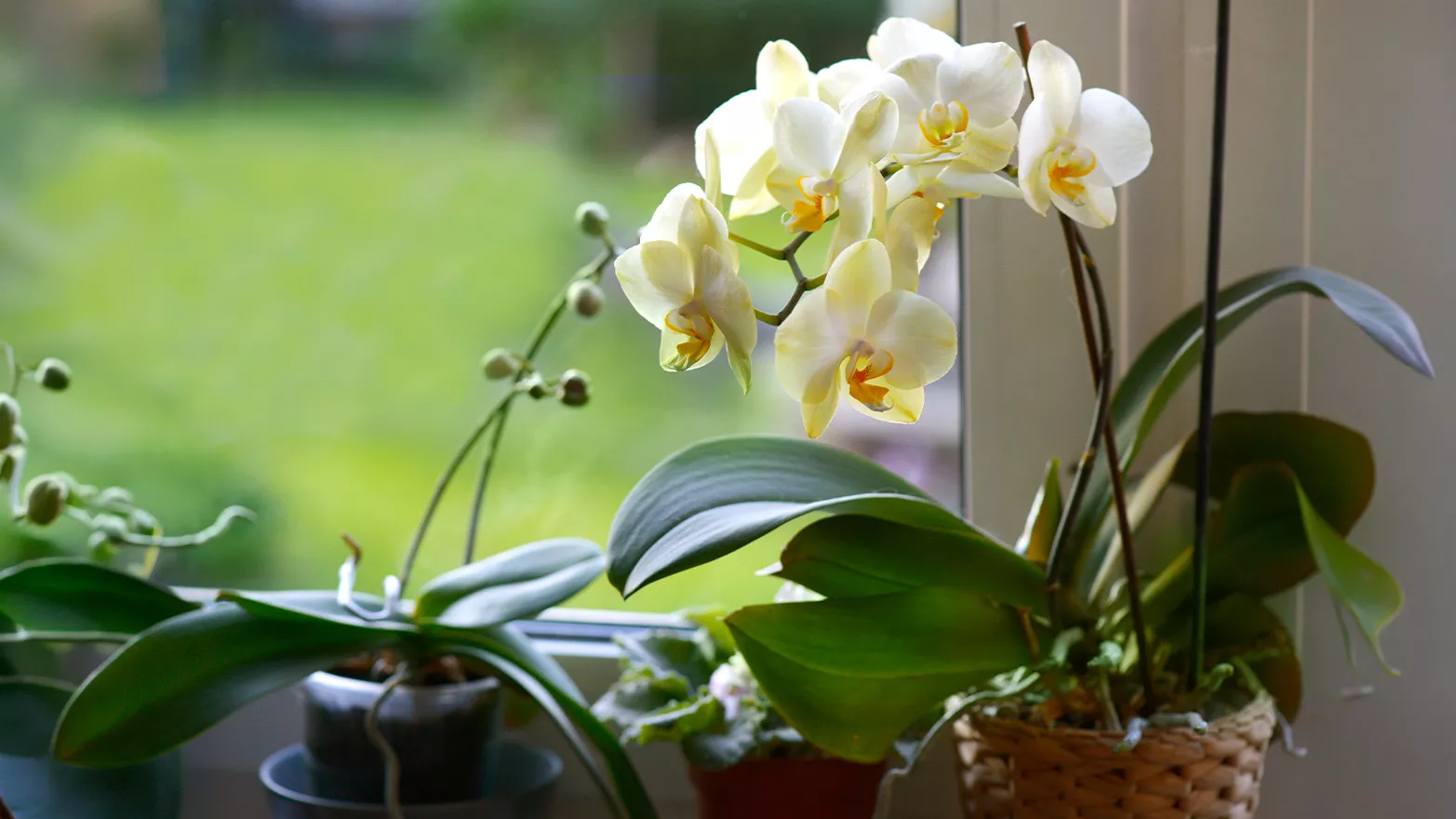
Orchids are elegant tropical flowers known for their delicate appearance and long-lasting blooms. These types of flowers symbolize luxury, strength and refinement, which explains their popularity in upscale decor and gifting.
Among the many orchid species, the Phalaenopsis or moth orchid, is the most beginner-friendly and widely available. Because orchid blooms can last for weeks or even months, they are a premier choice for long-lasting indoor beauty and sophisticated floral displays, making them a perfect Mother’s Day gift.
7. Carnation
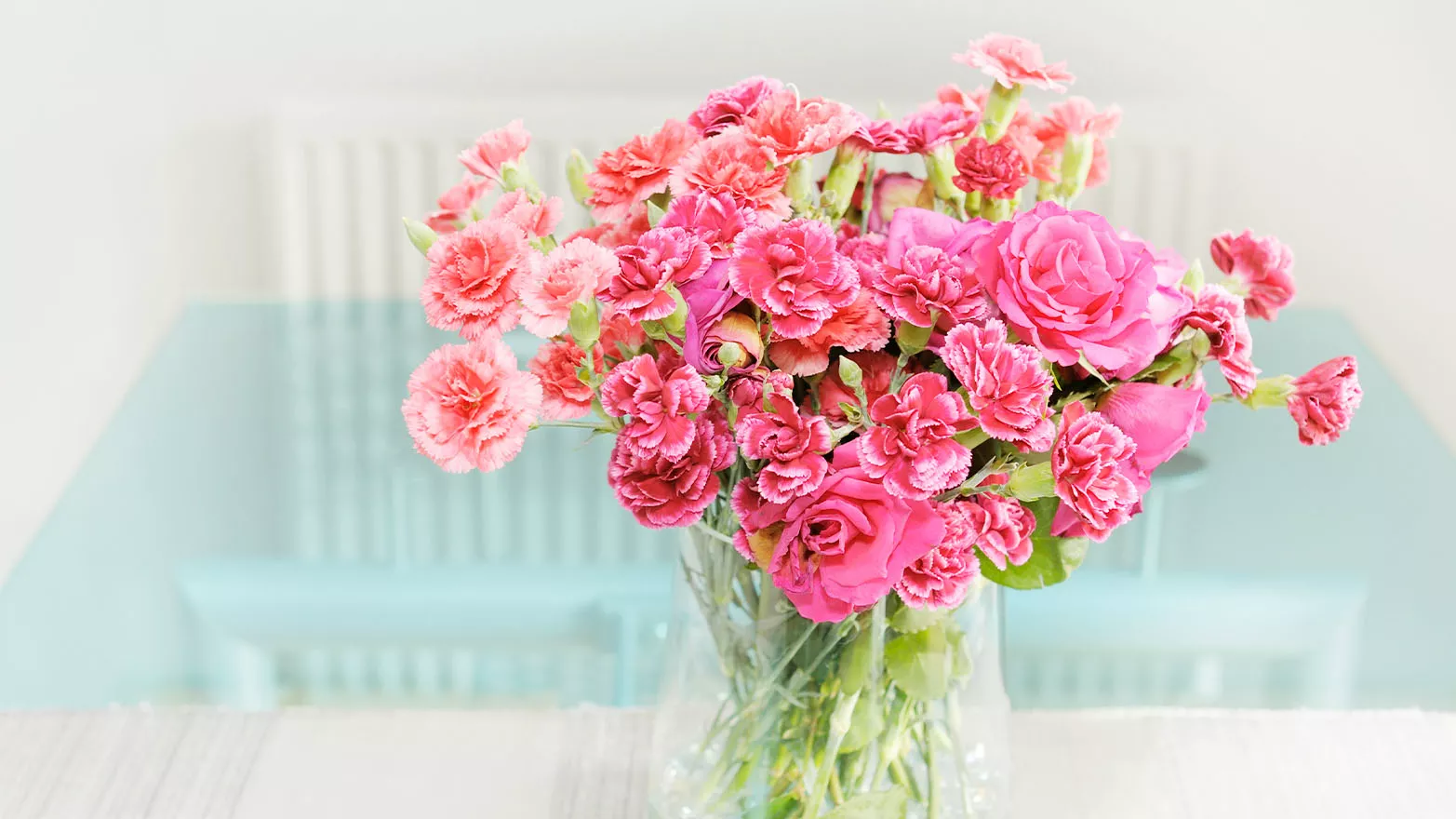
Carnations have evolved far beyond their reputation as simple filler flowers. Today’s carnations showcase ruffled petals, vibrant colors and striking bi-color patterns that add texture to modern bouquets.
People usually grow them as annuals in cooler climates, but they are perennial plants. As cut flowers, they are remarkably durable and can last up to three weeks in a vase with proper care, ideal for everyday home arrangements and flower arrangements to a hospital.
8. Daffodil
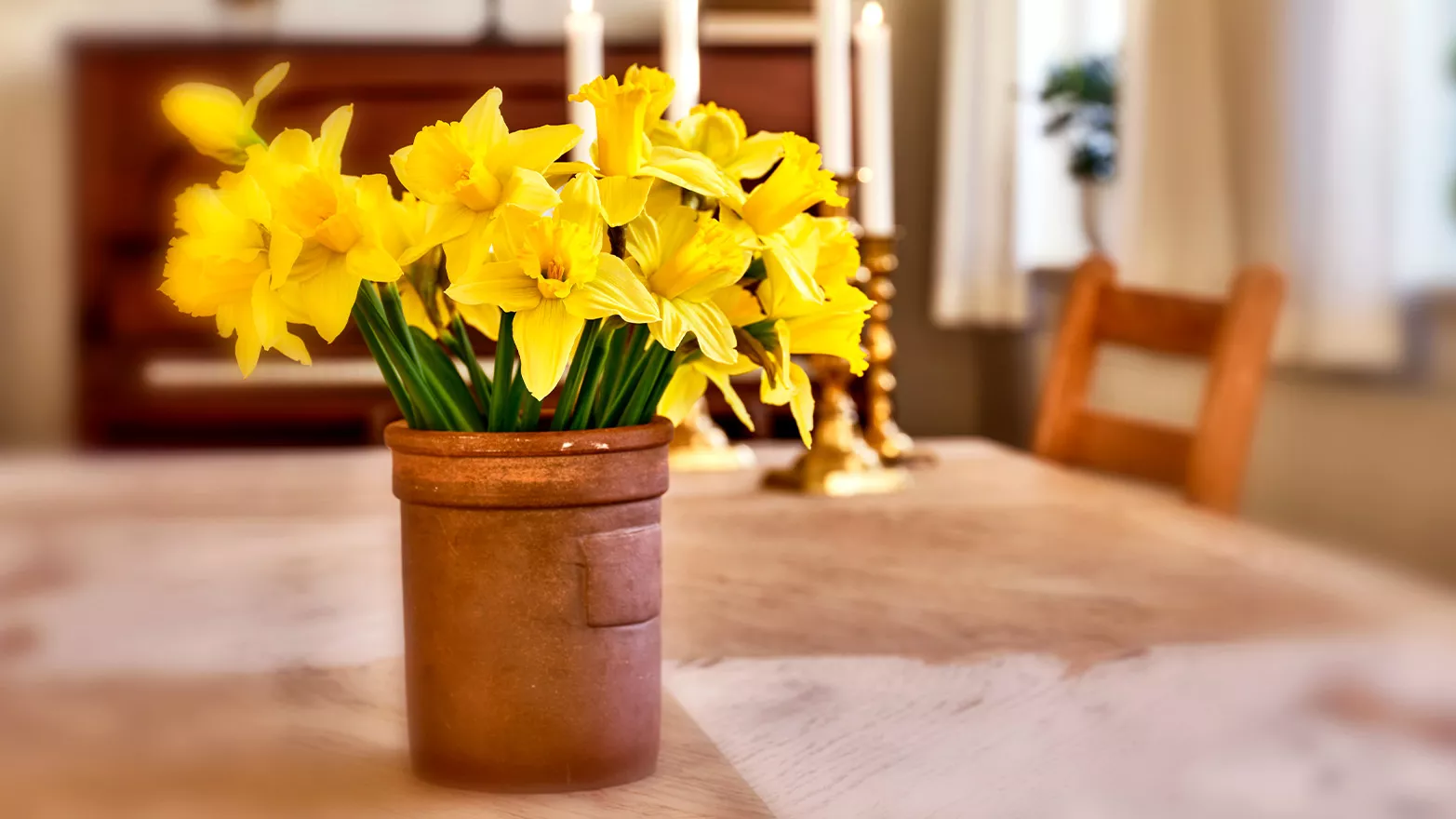
Daffodils are bright, trumpet-shaped flowers that signal the arrival of spring. Their sunny yellow and white blooms represent rebirth and renewal, which makes them especially popular during late winter and early spring celebrations.
When used in bouquets, they require a unique care step: they should be placed in a separate vase for several hours before mixing with other flowers. This prevents their sap from harming neighboring stems.
9. Hydrangea
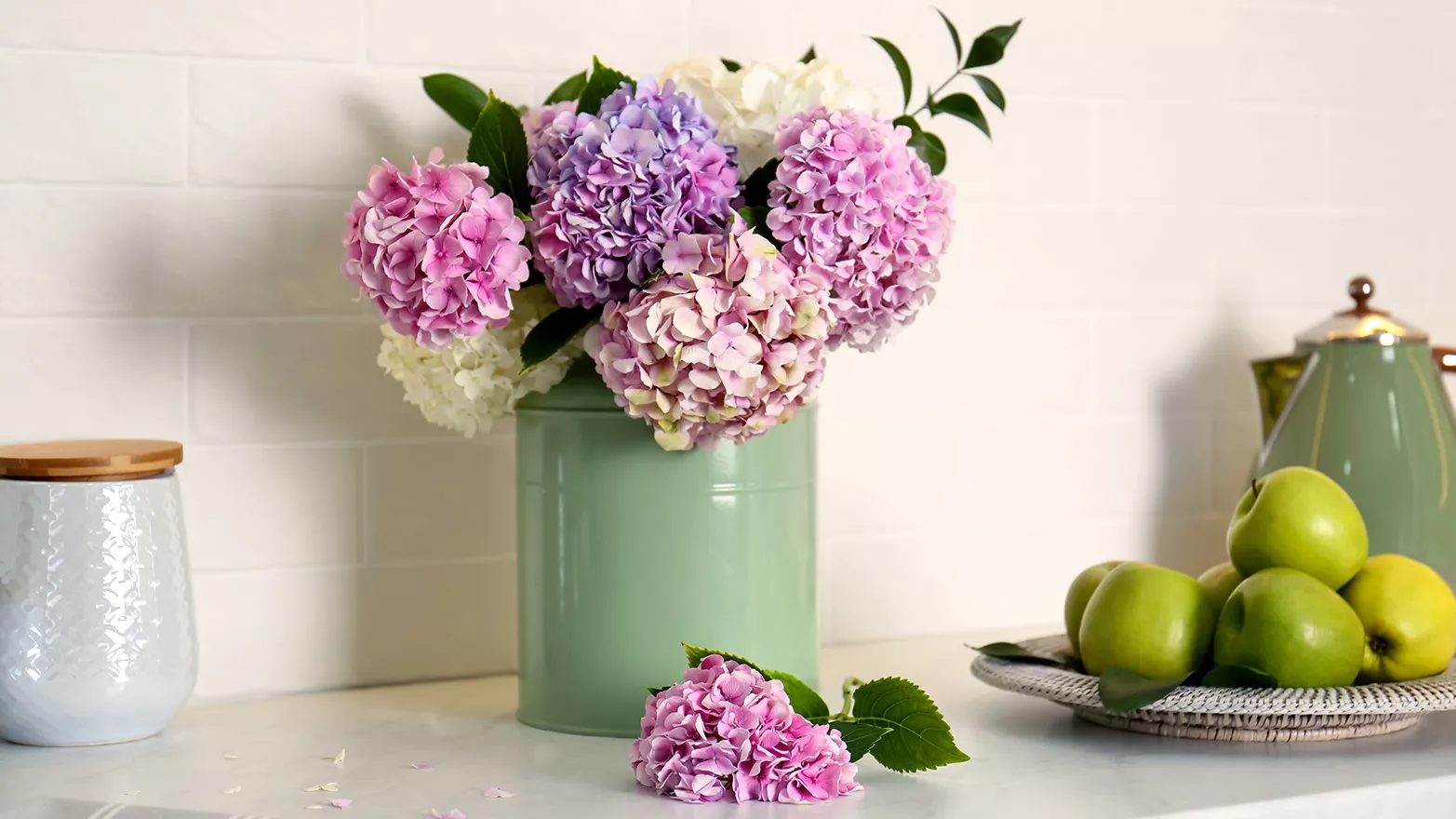
Hydrangeas are famous for their large, cloud-like clusters of petals that create dramatic centerpieces. One fascinating feature is that soil pH levels can influence their color. Acidic soil produces blue blooms, while alkaline soil creates pink flowers.
They are perennial shrubs that require plenty of water, which is fitting given their name’s Greek roots, since “hydra” means water. Compact hydrangea blooms are trending, making them perfect for small spaces.
10. Peony
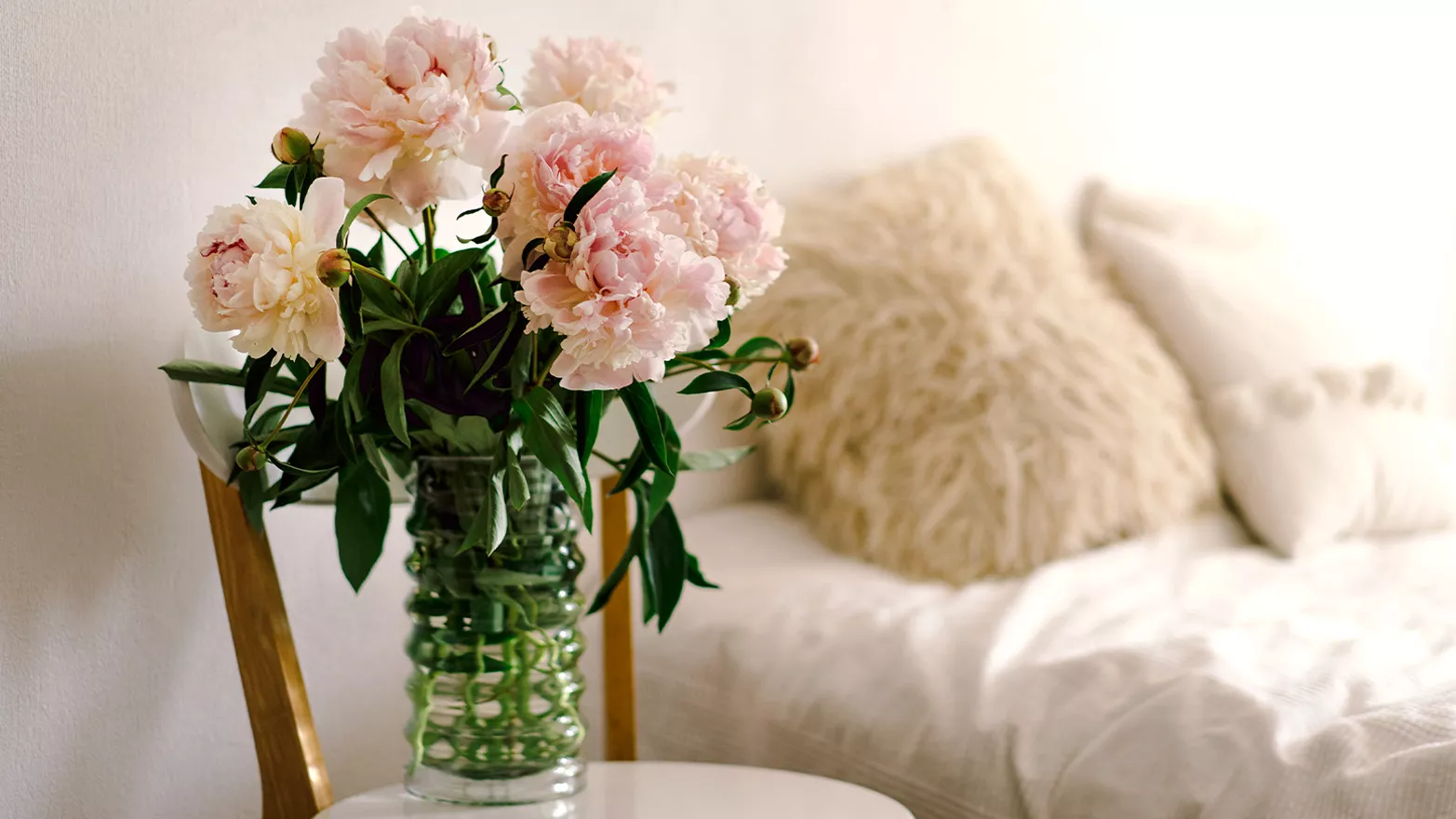
Peony flowers are among the most sought-after blooms thanks to their lush petals and delicate fragrance. As buds open, peonies expand into dramatic, full blossoms that can fill an entire vase with color and texture.
These flowers bloom for a short period each year, usually in late spring, which adds to their exclusivity and demand.
11. Lavender
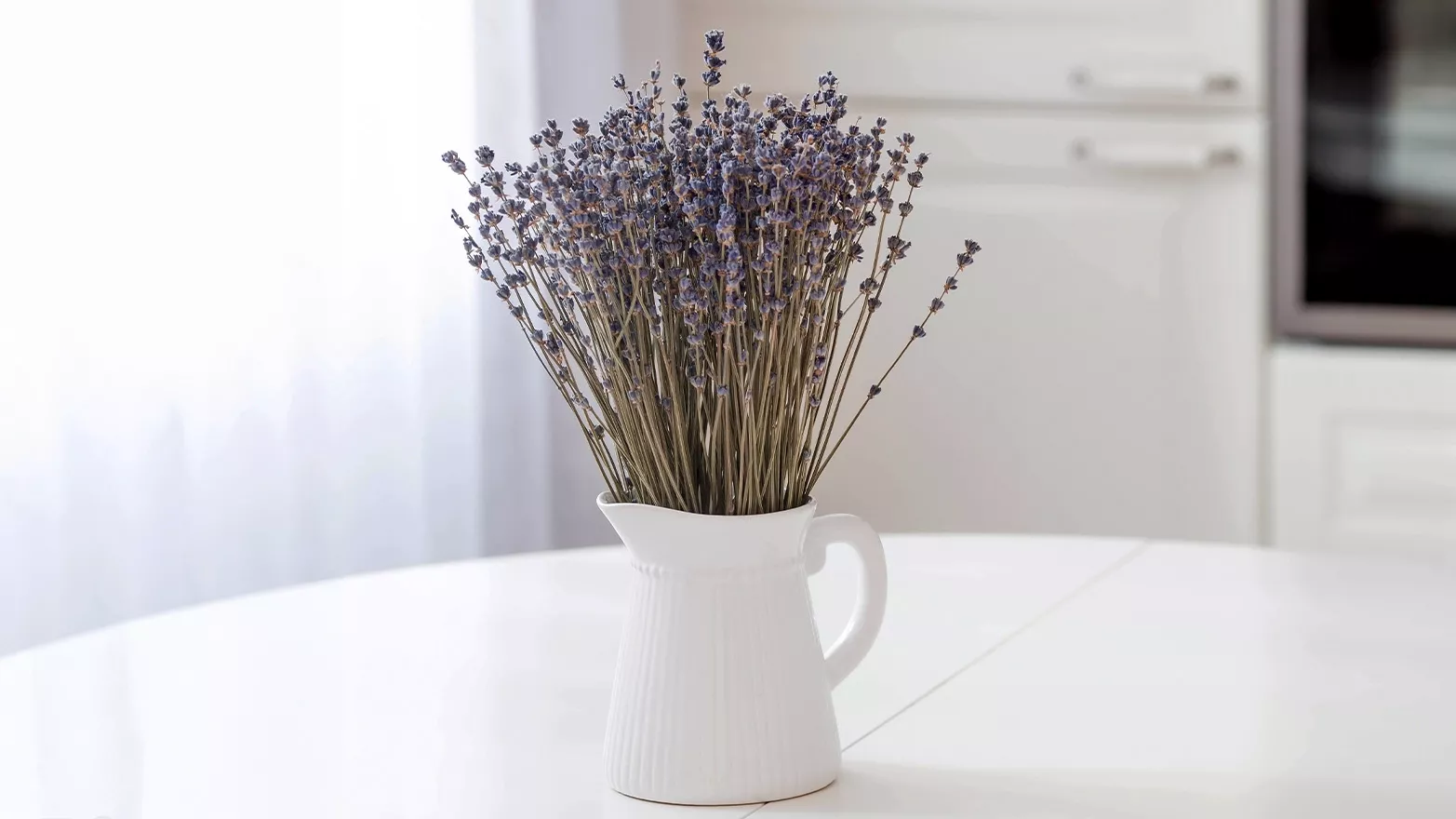
Lavender flowers are known for their calming fragrance and delicate purple spikes. These blooms symbolize grace and serenity and are widely used in aromatherapy and spa-inspired spaces. Also, they continue to trend as edible components in teas and cocktails.
In bouquets, lavender can be enjoyed fresh or dried. Simply hang bundles upside down in a cool, dark space to preserve their fragrance. It requires minimal watering and grows best with plenty of airflow.
12. Chrysanthemum
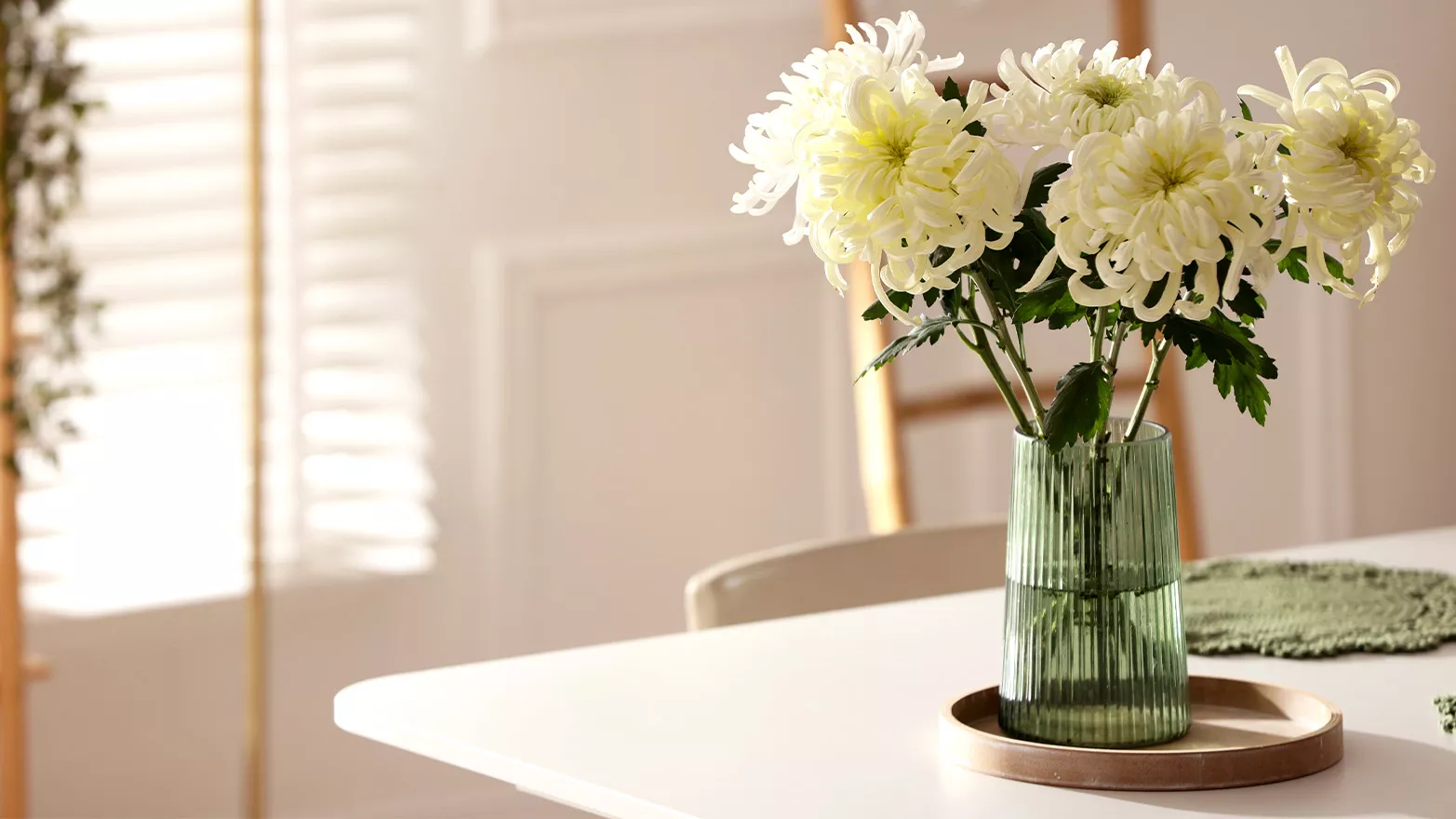
Chrysanthemum flowers, often called mums, are classic fall blooms with dense layers of petals that create a full, rounded shape. These flowers symbolize longevity, happiness and joy in many cultures. In fact, it’s the primary symbol of the Japanese imperial family.
Most chrysanthemums are perennials, but florists specifically cultivate bouquet varieties for decorative arrangements. Their durability makes them excellent for seasonal decor, autumn centerpieces and long-lasting bouquets.
13. Marigold
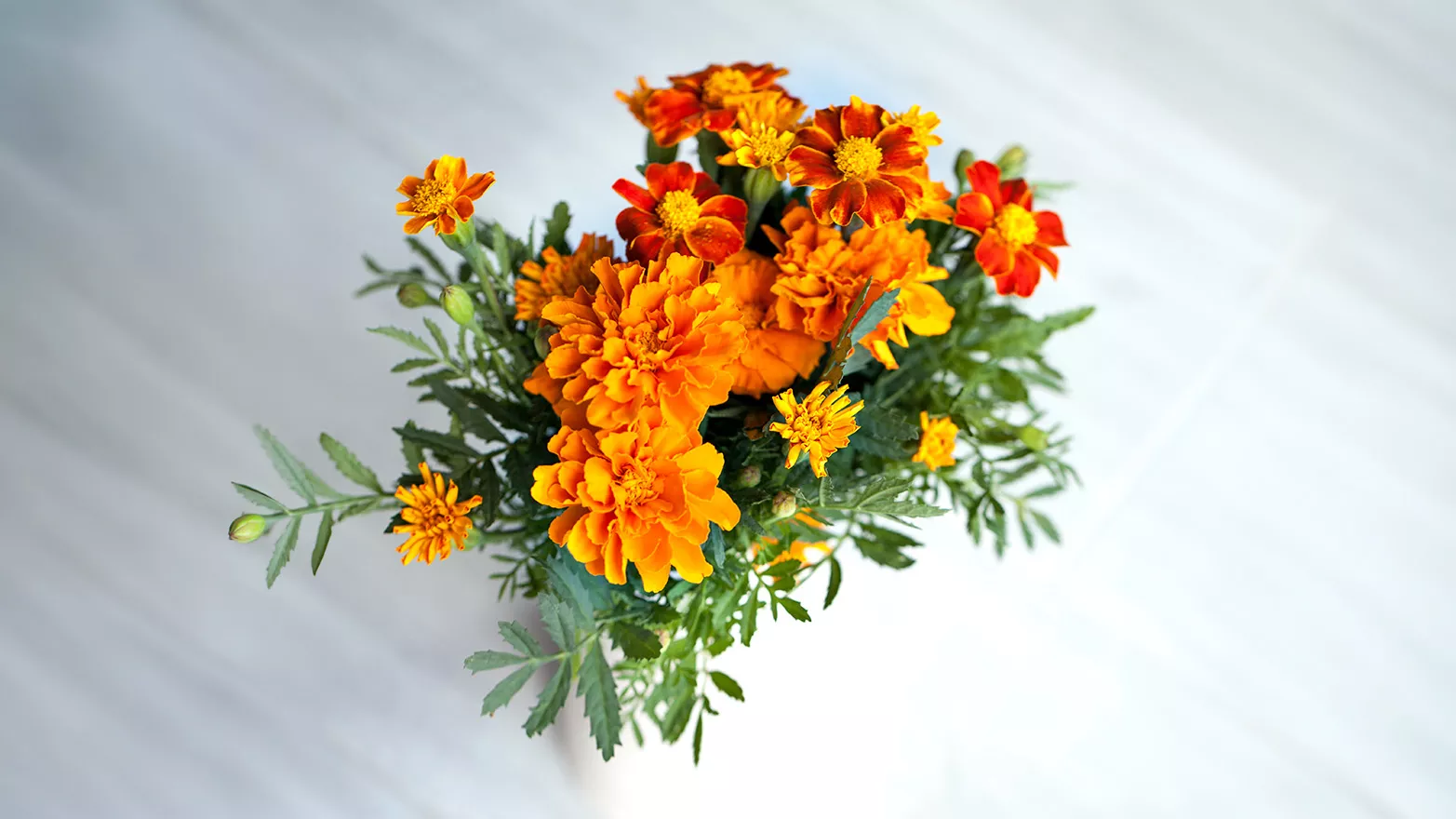
Marigolds are bright orange and yellow blooms known for their bold color and strong scent. In many cultures, particularly in South Asia, they symbolize warmth, creativity and remembrance.
They’re easy to care for and grow quickly, making them a favorite among beginner gardeners. Marigolds are typically annual flowers, thriving in sunny conditions with moderate watering. In arrangements, marigolds add cheerful color to summer bouquets and festive decorations.
14. Dahlia
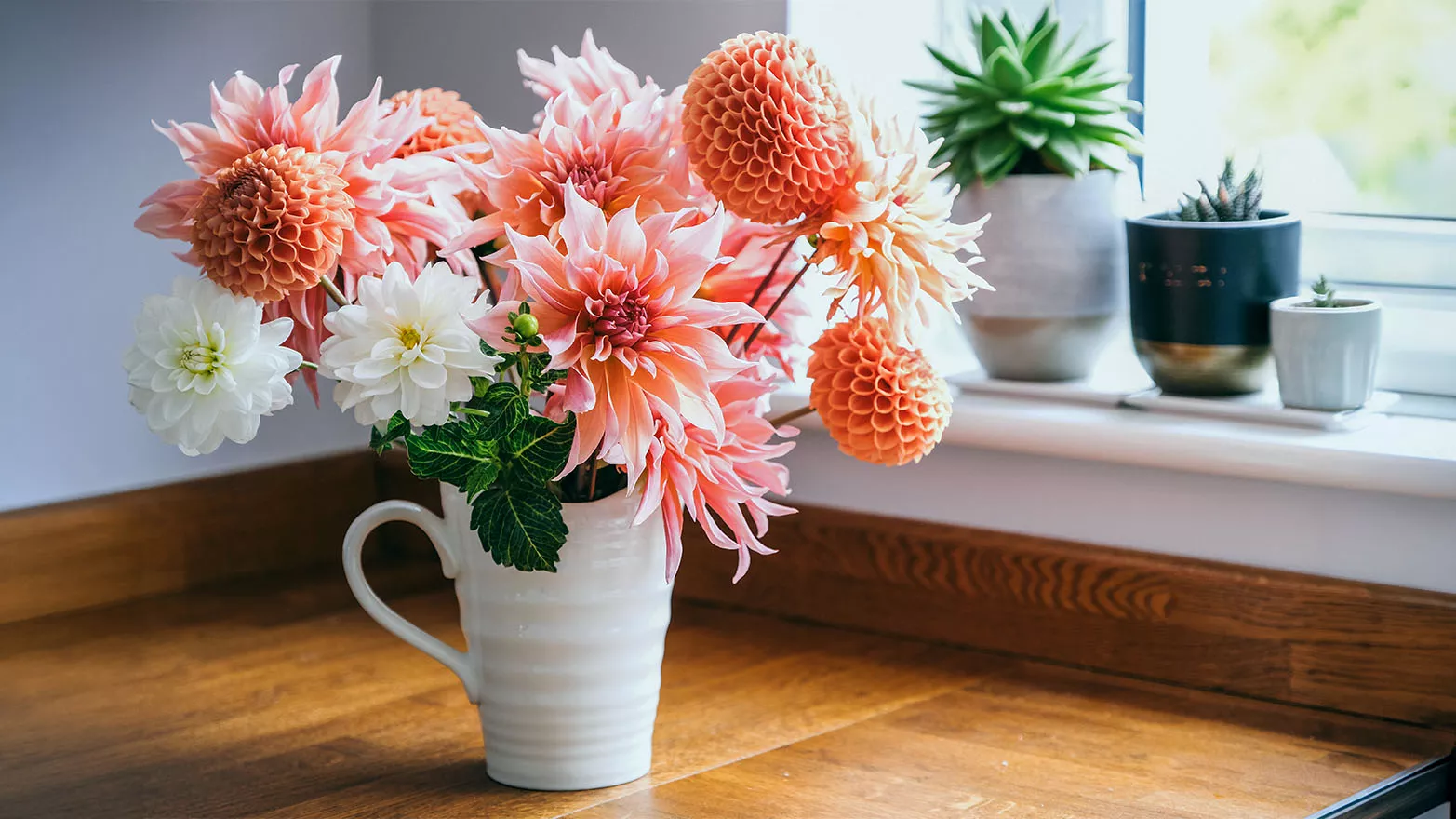
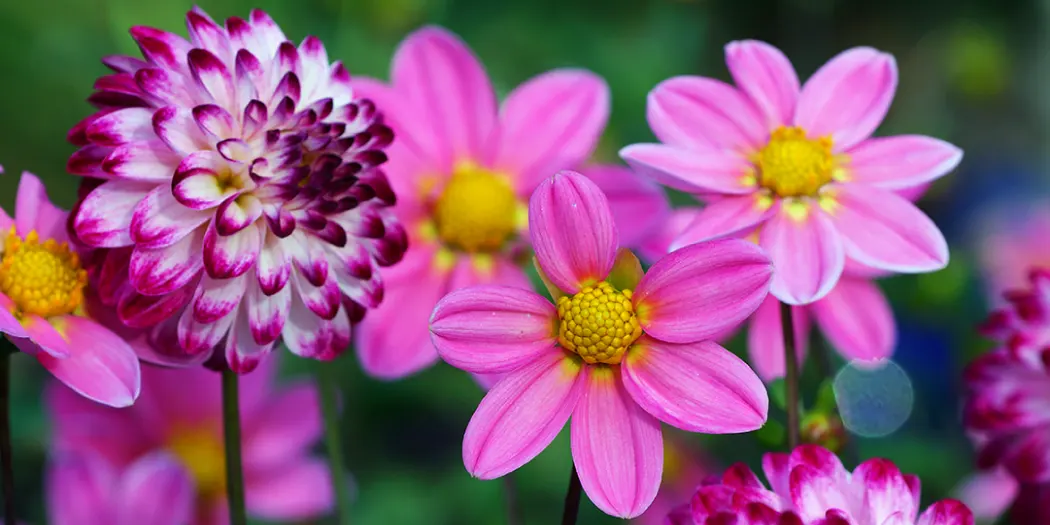
Dahlias are admired for their intricate petal patterns and wide range of sizes, from small pompons to dramatic dinner plate blooms. These types of flowers symbolize inner strength and creativity.
These flowers are perennial tubers and prefer full sunlight and regular watering. Their bold textures and layered petals make them perfect for statement bouquets and modern floral arrangements, especially during late summer and early fall.
15. Zinnia
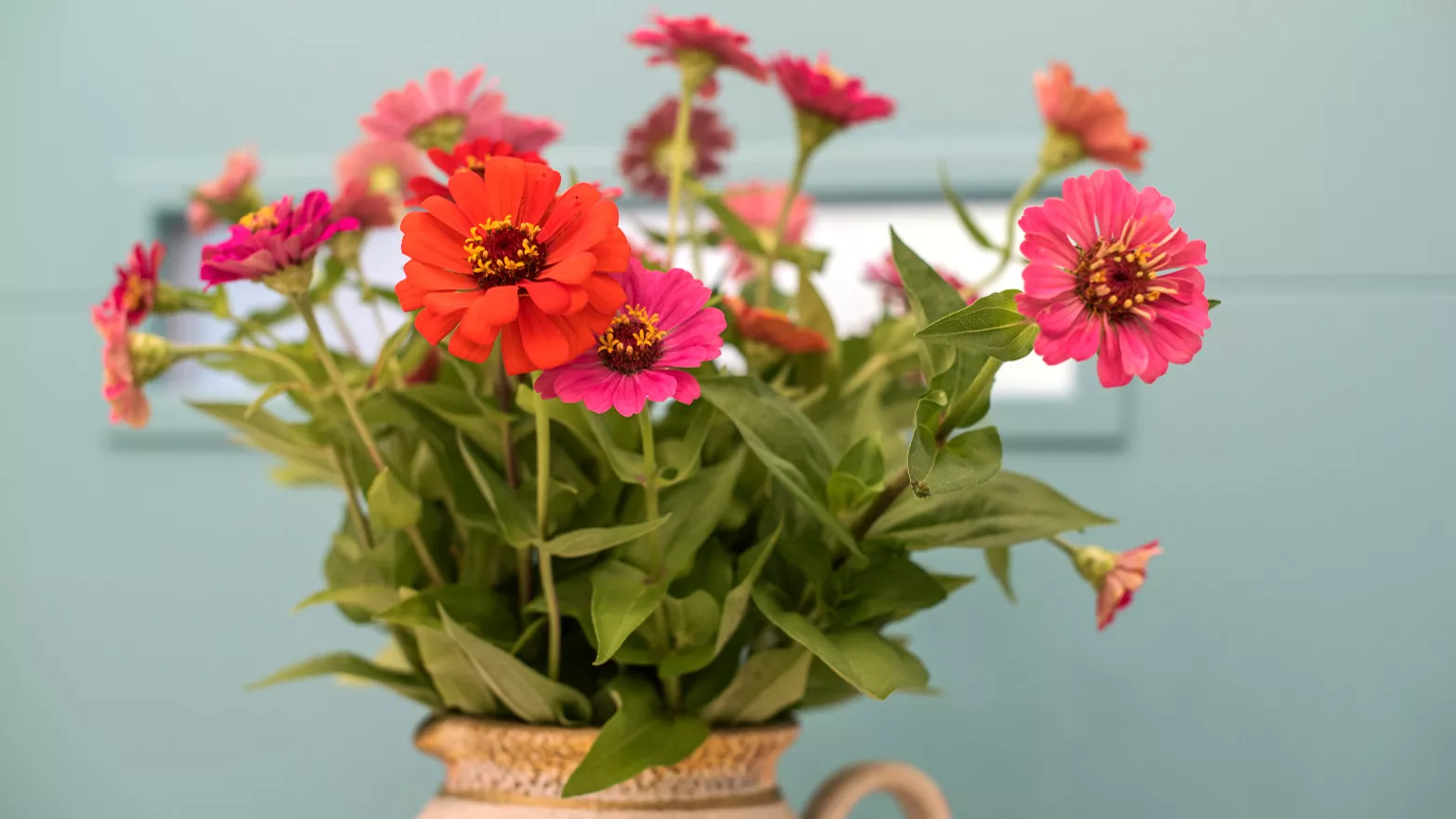
Zinnias are vibrant flowers that bloom in bright shades like red, orange, pink and yellow. They symbolize friendship, endurance and lasting affection.
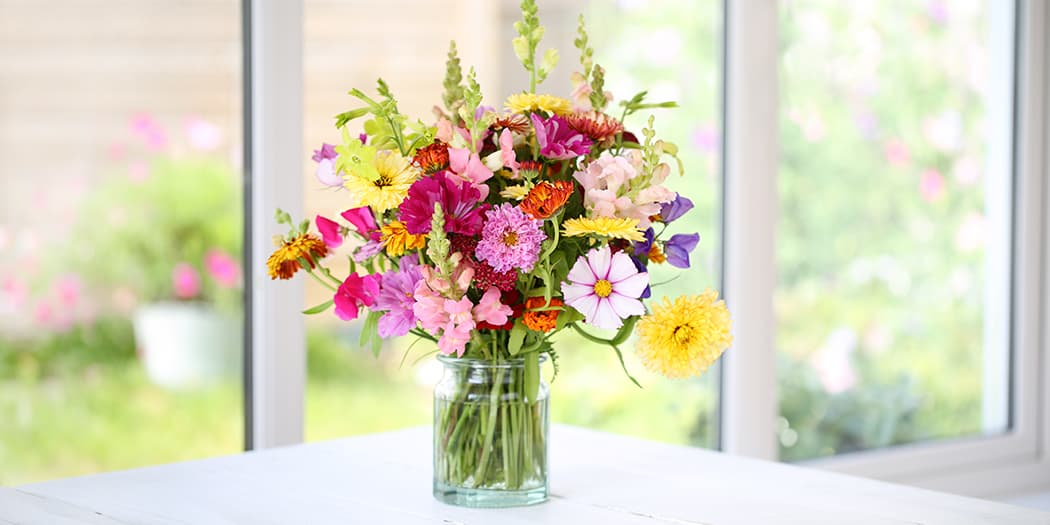
These blooms are annual flowers that thrive in warm climates with plenty of sunlight. Zinnias are easy to grow and require minimal care. Their colorful appearance makes them ideal for casual bouquets, garden-inspired arrangements and summer decor.
16. Iris
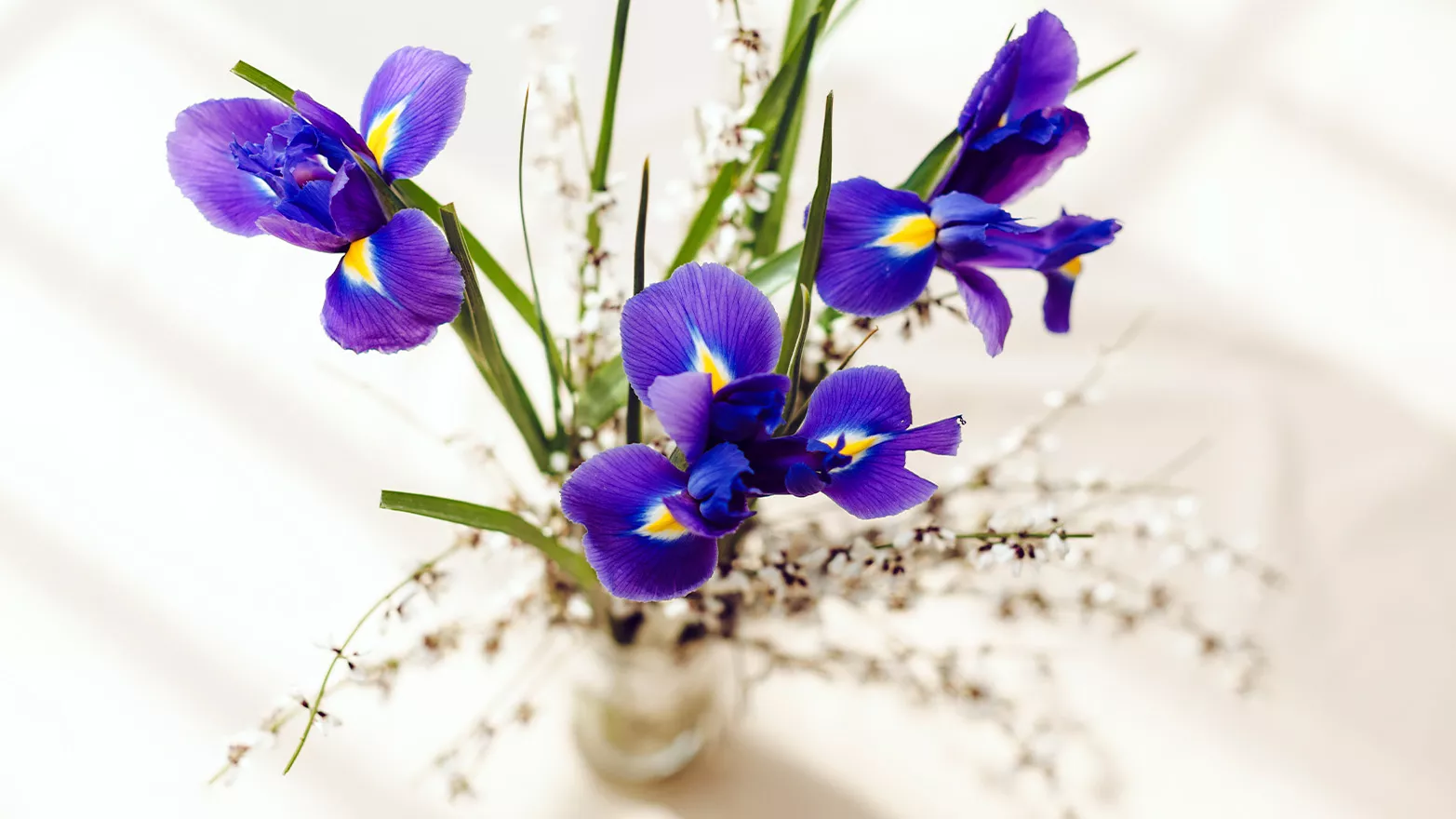
Irises are elegant flowers recognized by their distinctive six-petal structure and striking colors. The flower has three upright inner petals, called "standards," and three drooping outer petals, called "falls."
The name iris comes from the Greek word for rainbow, reflecting the flower’s wide range of hues, making them trend as a wedding bouquet alternative. Popular varieties include the gorgeous Bearded Iris and Siberian Iris.
17. Ranunculus
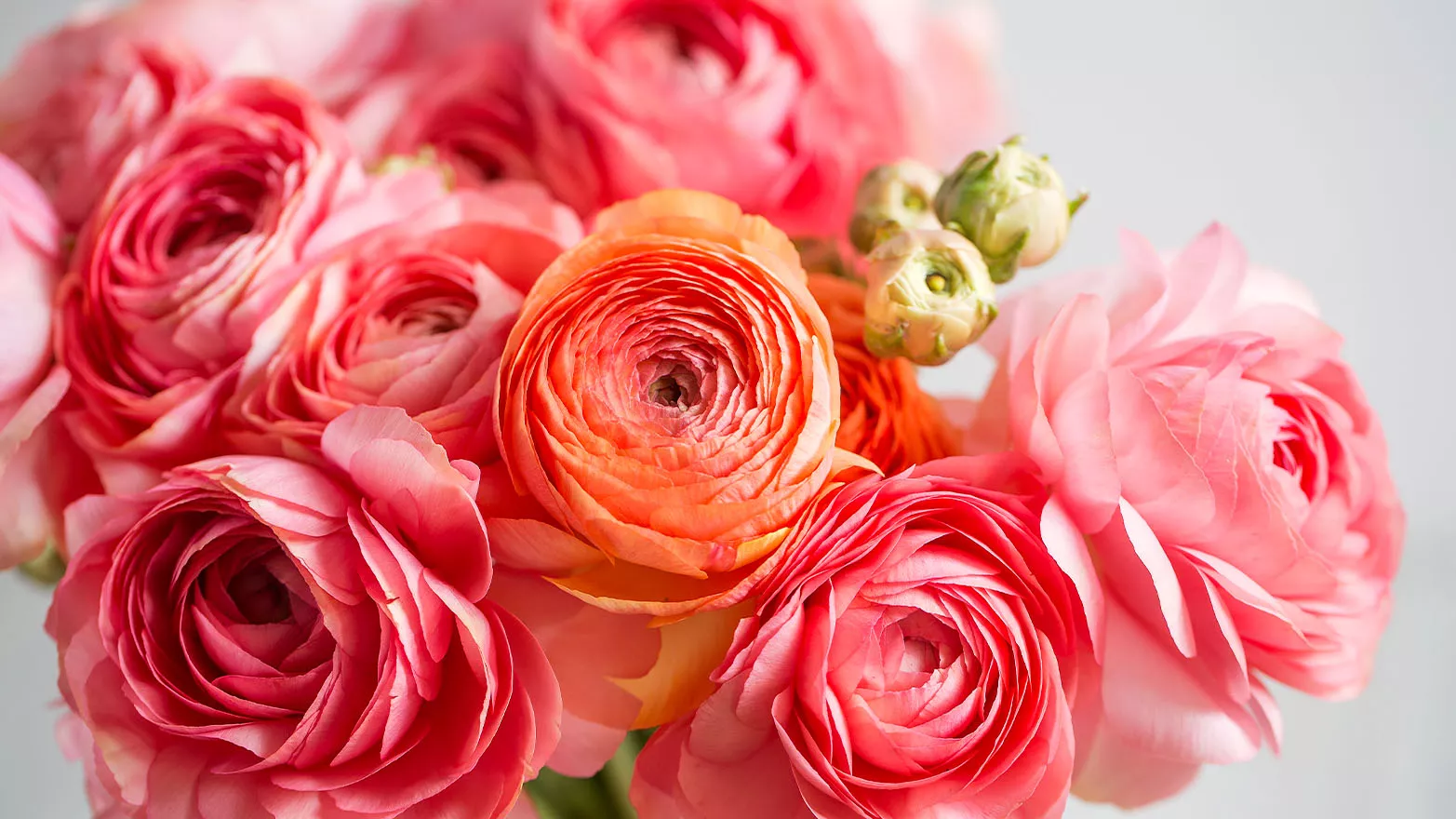
Ranunculus flowers feature thin, layered petals that resemble a mix between roses and peonies. Their wide and diverse color range, which can go from soft pastels to vibrant jewel tones, gives them a lot of diversity.
These blooms are typically perennials grown from corms, thriving in mild climates and sunny environments. Ranunculus flowers symbolize radiant charm and are especially popular in wedding bouquets and high-end floral designs.
18. Hibiscus
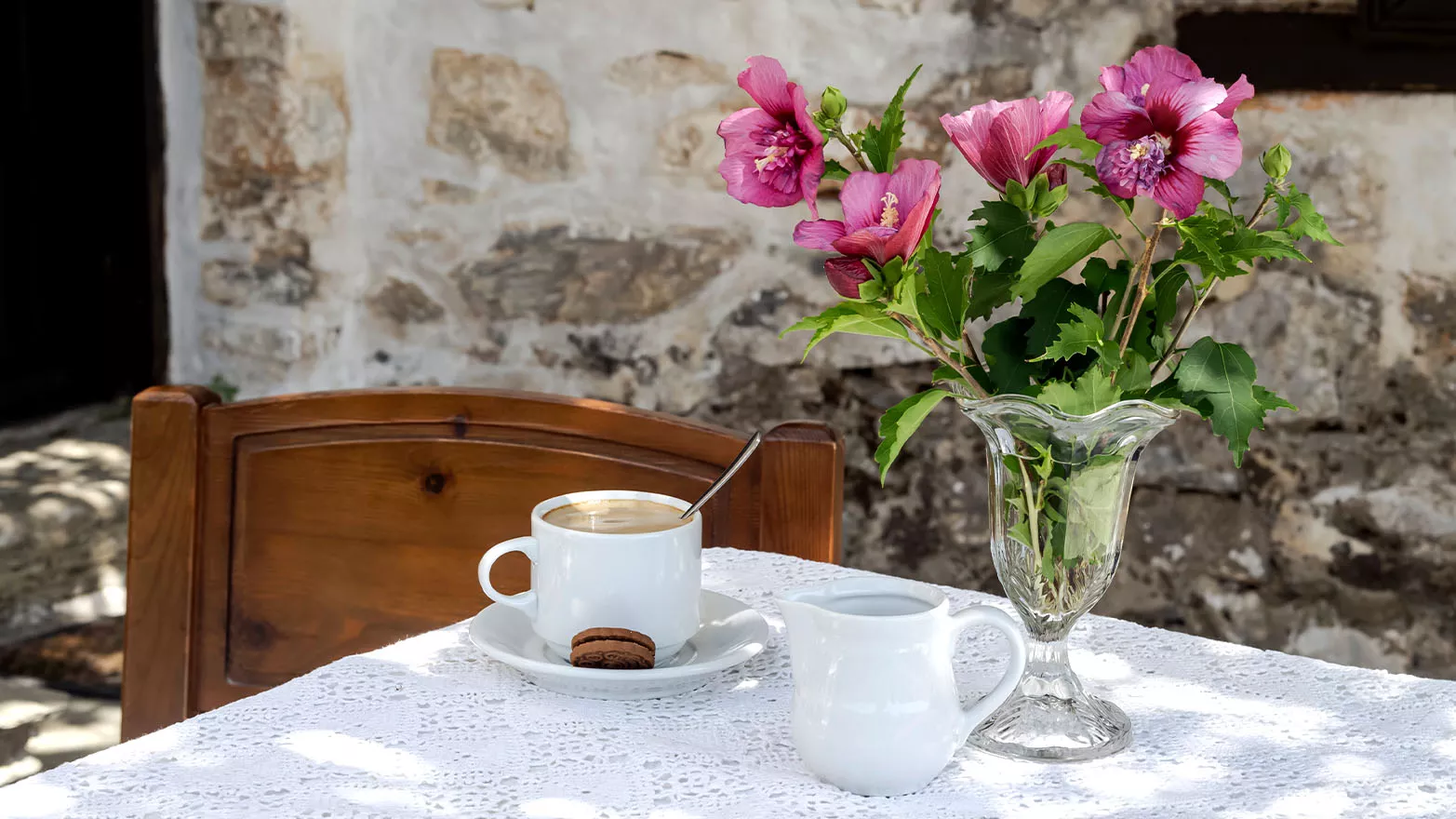
Hibiscus flowers are tropical blooms recognized by their large petals and vibrant colors. They’re cheerful, warm flowers that symbolize beauty, hospitality and celebration. This flower’s flavor profile keeps it trending in teas and even craft beer.
In warm climates, many hibiscus varieties act as perennials, and in cooler regions, people cultivate them as annuals. They thrive in bright sunlight and warm temperatures.
19. Petunia
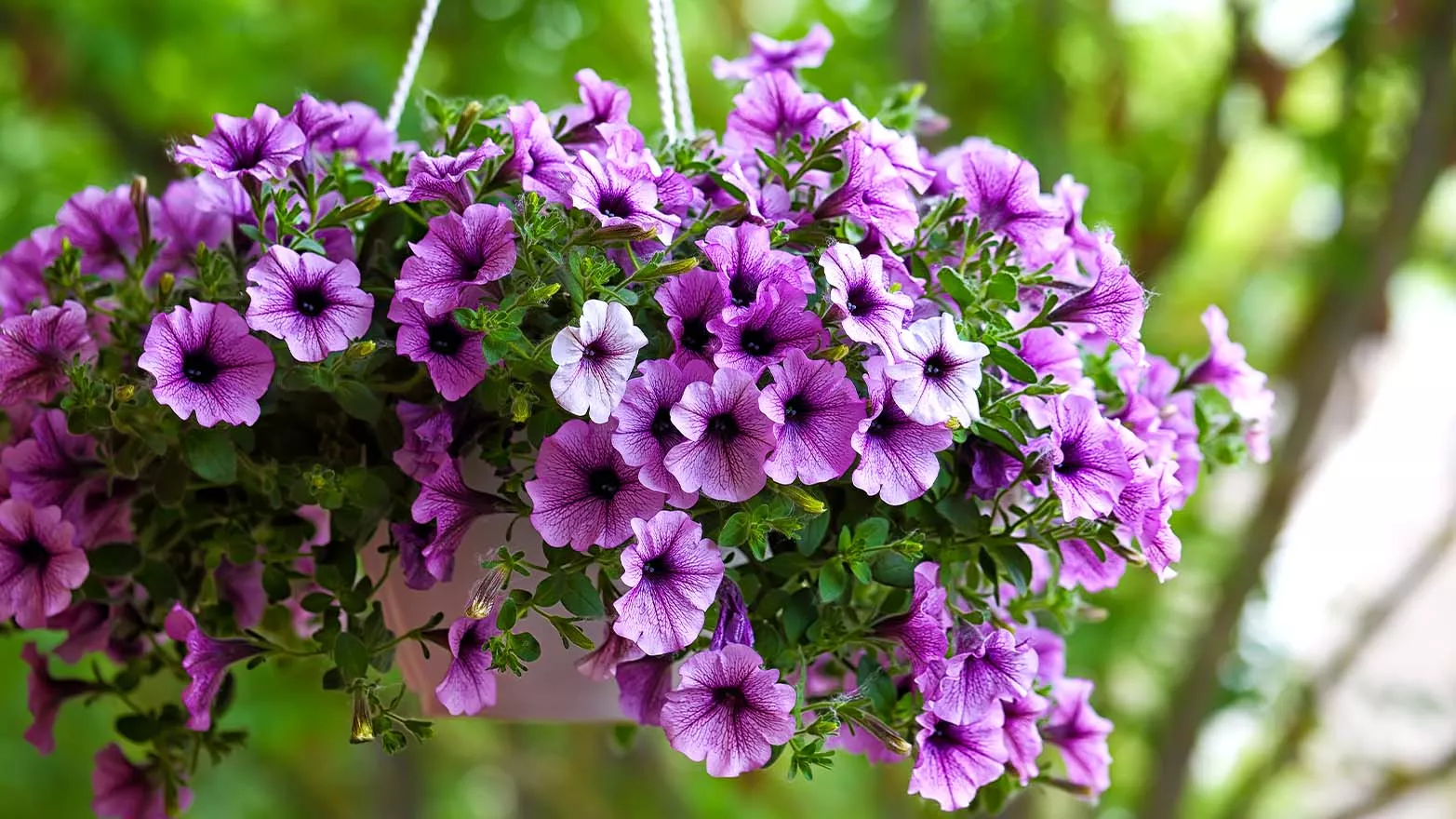
Petunias are versatile flowers with trumpet-shaped blooms available in many colors and patterns. They symbolize comfort and resilience. Fun fact: in the Victorian era, they carried the negative connotation of resentment, but it’s no surprise that interpretation phased out, considering how beautiful and cheerful this flower is.
They’re annual flowers that grow best in sunny environments with moderate watering. Their trailing stems make them popular for hanging baskets and decorative arrangements.
20. Pansy
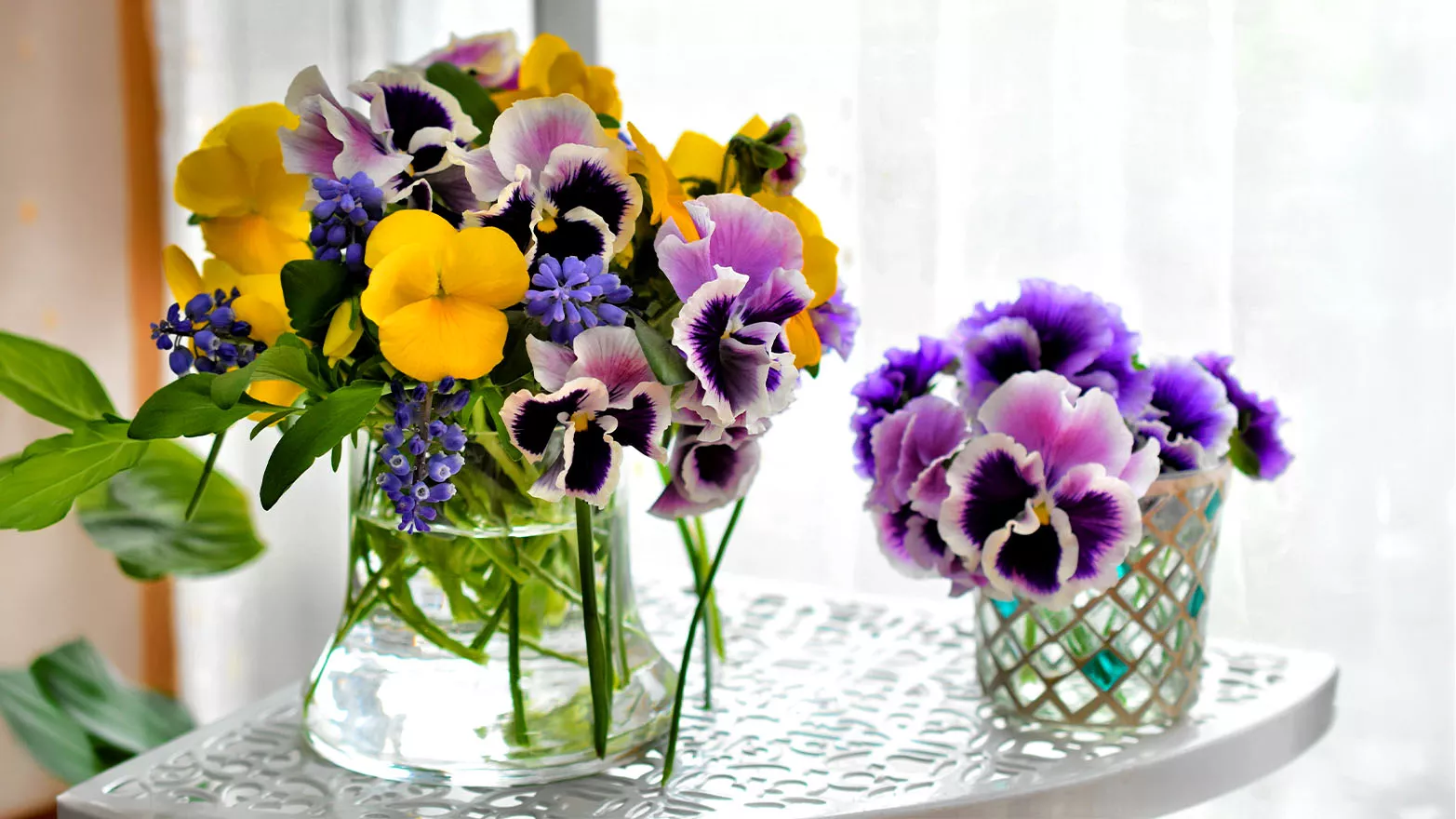
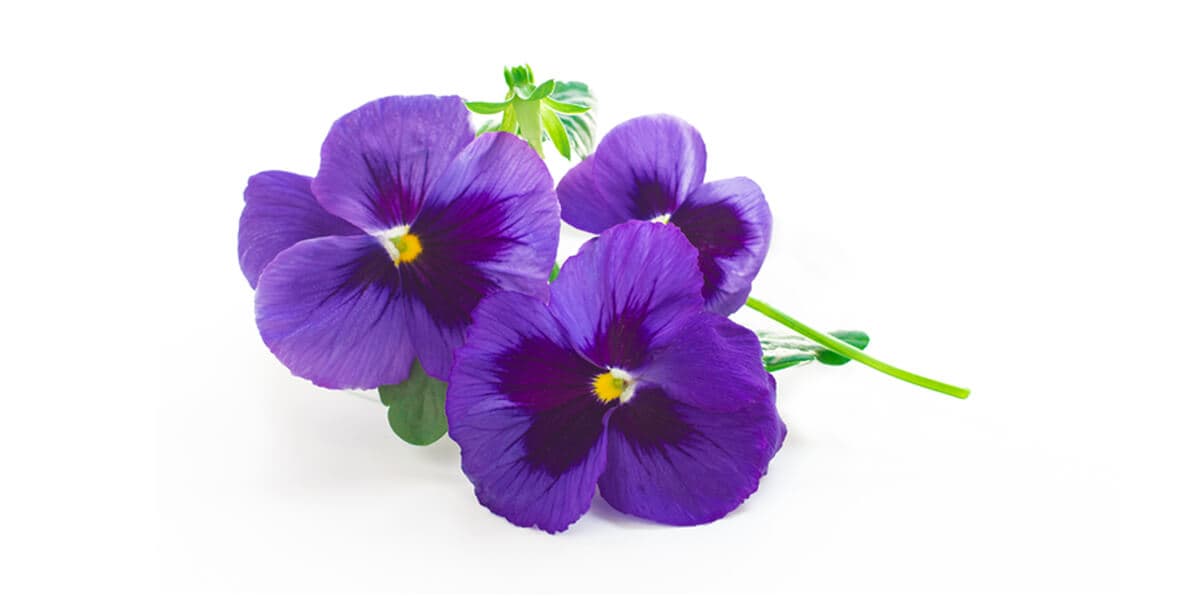
Pansies are small, colorful flowers with distinctive petal patterns that sometimes resemble faces. Their name comes from the French “penseé,” which means thought or remembrance. They symbolize platonic affection and loving thoughts.
These happy flowers are popular in spring arrangements and decorative planters. Pansiesare often grown as annuals or biennials, thriving in cooler climates.
21. Violet
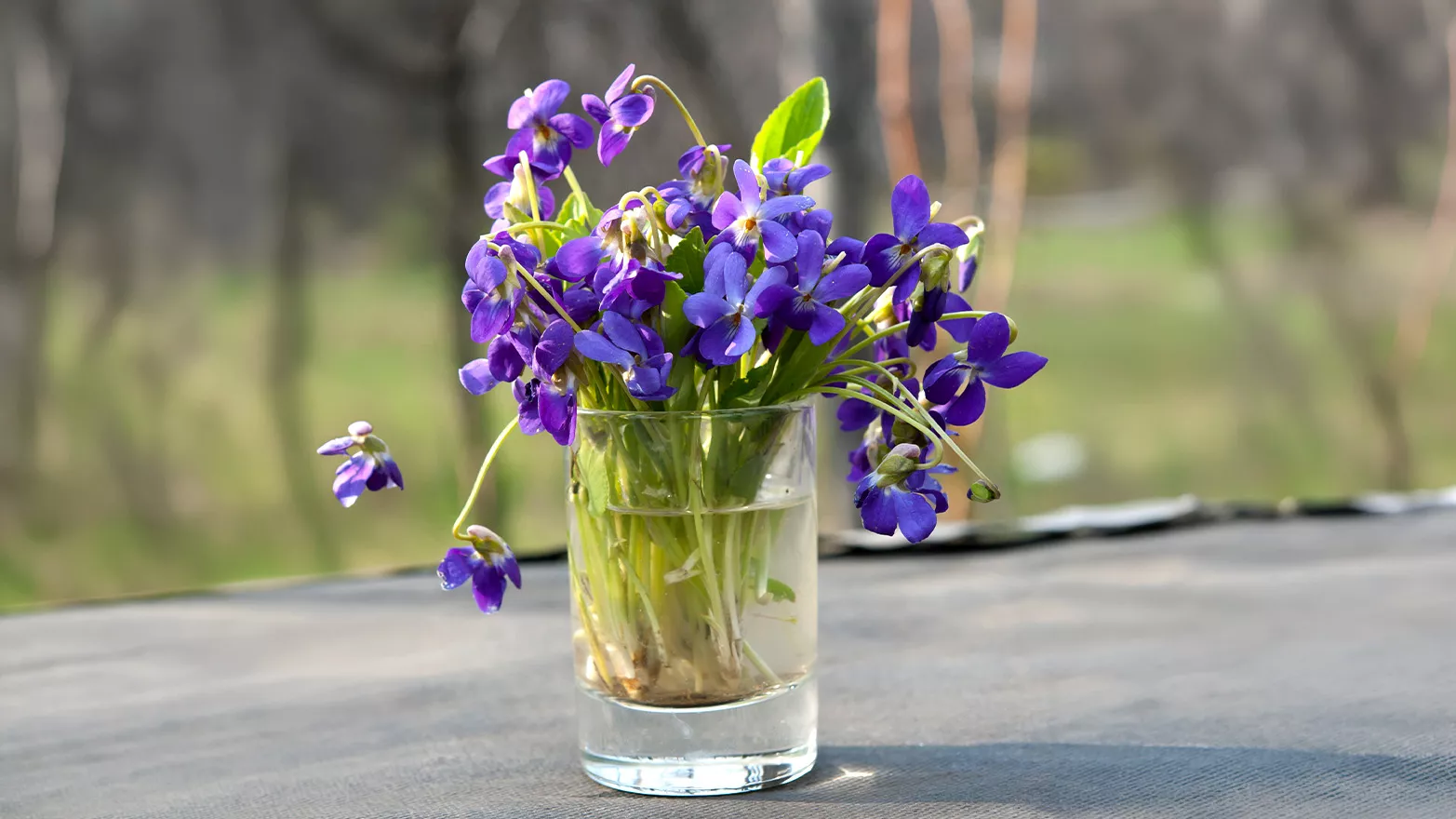
Violets are delicate, low-growing flowers recognized for their small purple, blue or white petals and sweet fragrance. These charming blooms symbolize loyalty, humility and faithfulness, which is why they’re often included in anniversary bouquets and spring arrangements.
They require moderate watering and grow well in woodland-style gardens or shaded patios. In floral arrangements, violets add a soft, romantic touch and are sometimes used as edible decorations on desserts and drinks.
22. Jasmine
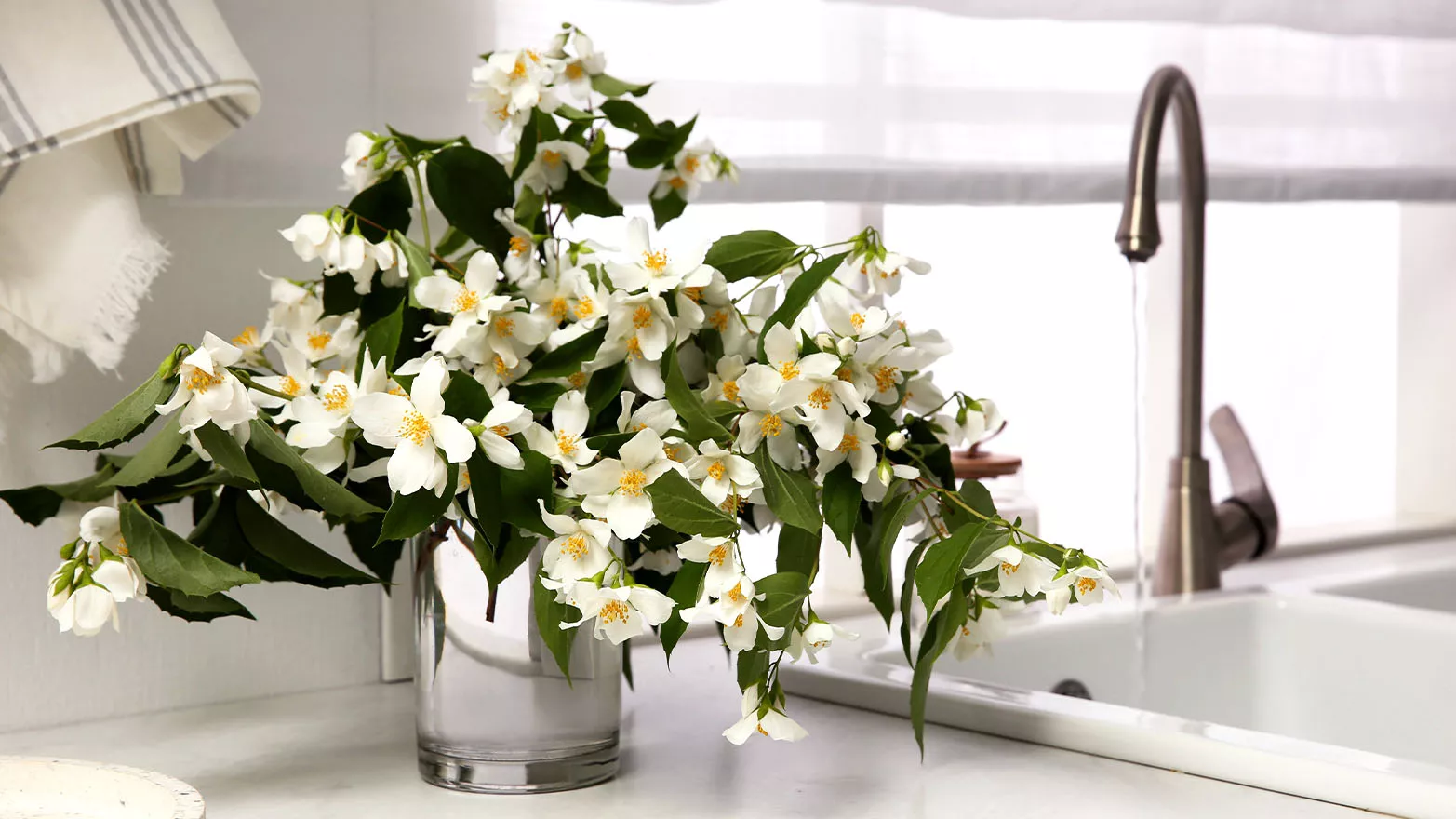
Jasmine flowers are famous for their delicious fragrance and elegant white blossoms. The Persian word "yasmin," meaning "gift from God," gives jasmine its name.
This flower has historically symbolized love, sensuality, divinity and purity, so people often add it to romantic bouquets and fragrant garden spaces. Because of their strong scent, jasmine blooms are commonly used in perfumes and teas.
23. Poppy
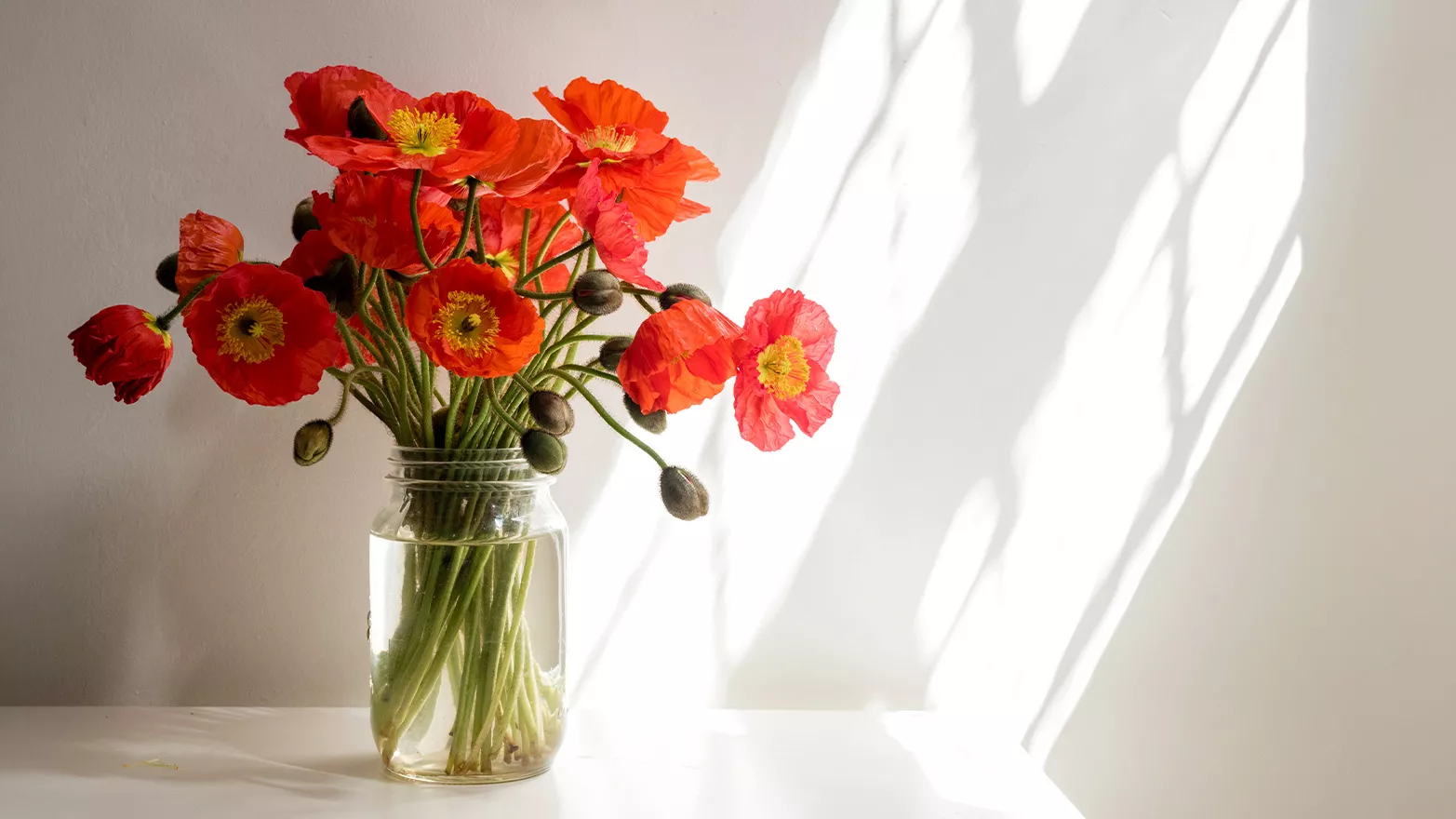
Poppies are vibrant flowers with delicate, paper-like petals that bloom in shades of red, orange, pink and white. These striking flowers symbolize remembrance and peace. The red poppy is closely associated with honoring fallen soldiers, inspired by the WWI poem “In Flanders Fields.”
They thrive in sunny conditions with well-drained soil and minimal watering. In bouquets, poppies add a bold splash of color and are used in wildflower arrangements or rustic floral displays.
24. Lilac
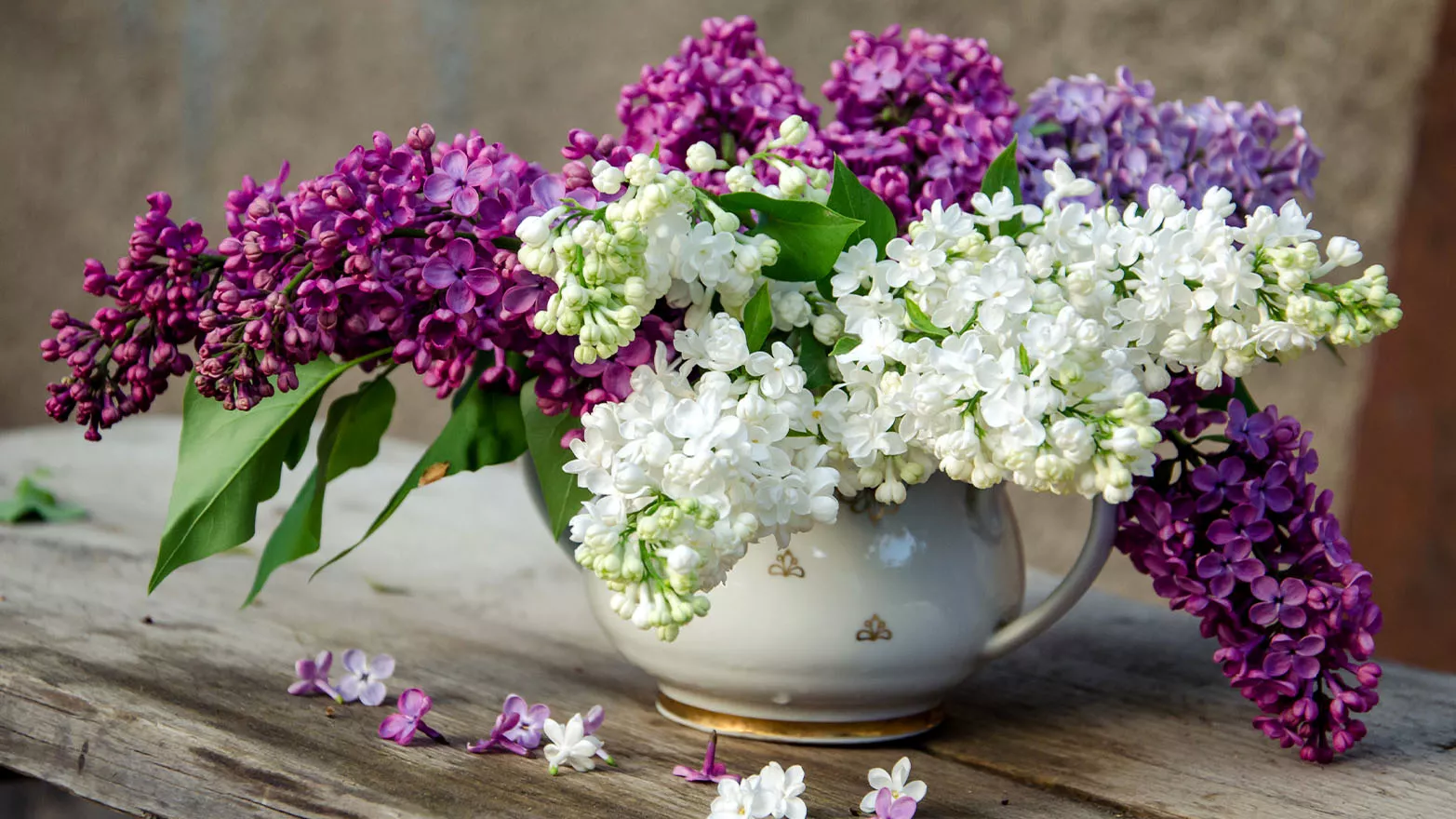
Lilacs are beloved spring flowers known for their clusters of small, fragrant blossoms in shades of purple, pink and white. They are perennial flowering shrubs that grow best in sunny environments with well-drained soil. They symbolize renewal, youthful innocence and the joy of new beginnings.
Their fragrant blooms make them a top choice for garden-inspired arrangements. Lilacs keep trending in spring weddings and decorative centerpieces, giving a cottagecore feel to spaces.
25. Azalea
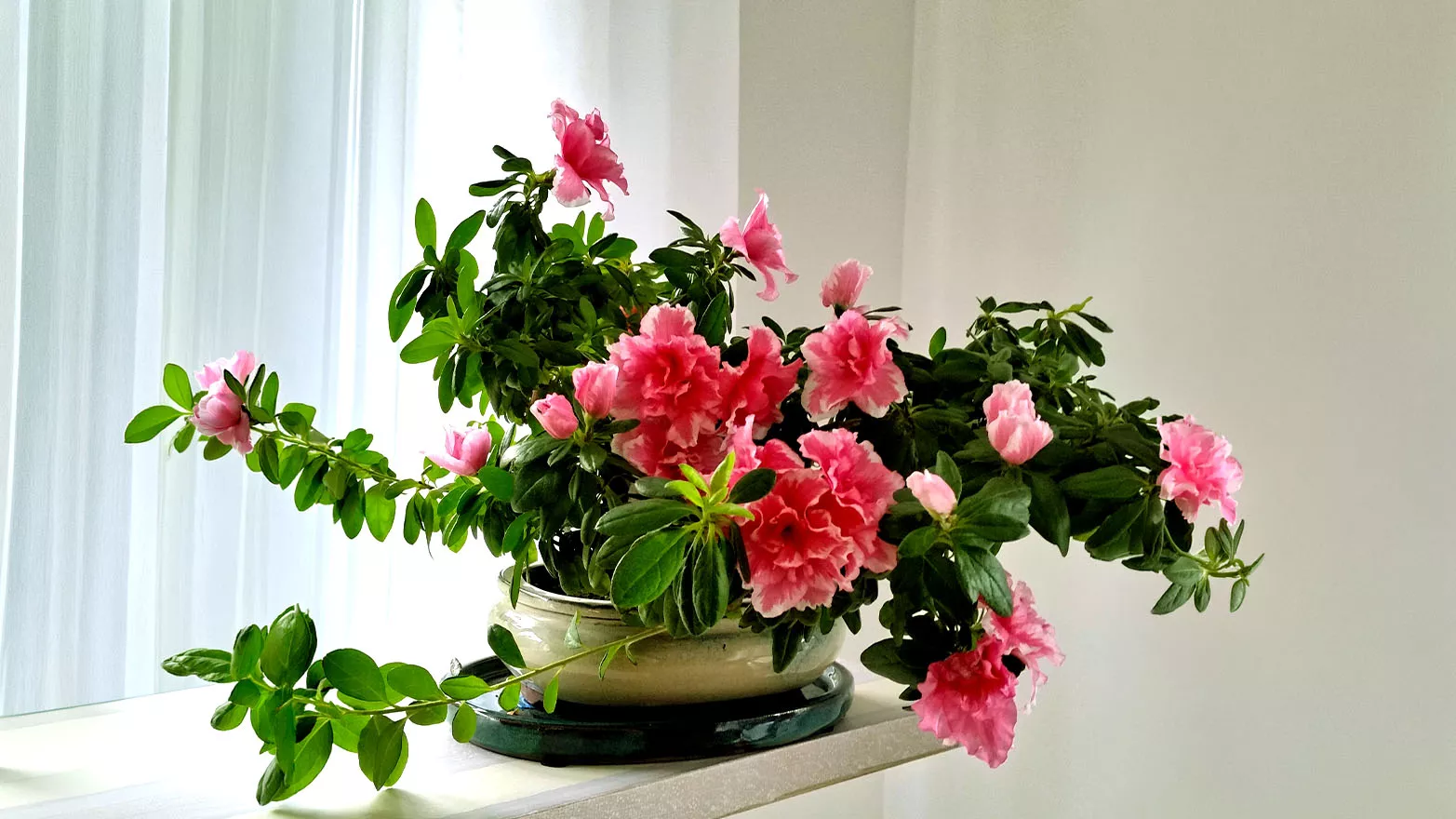
Azaleas are vibrant flowering shrubs that produce abundant blooms in pink, red, purple and white shades. Azaleas are perennial plants that thrive in partial shade and acidic soil. They require consistent moisture but prefer well-drained planting conditions.
These flowers symbolize passion, femininity, delicate beauty and abundance. In floral design, azaleas add soft texture and color to spring arrangements and are often used in decorative planters for patios and entryways.
26. Magnolia
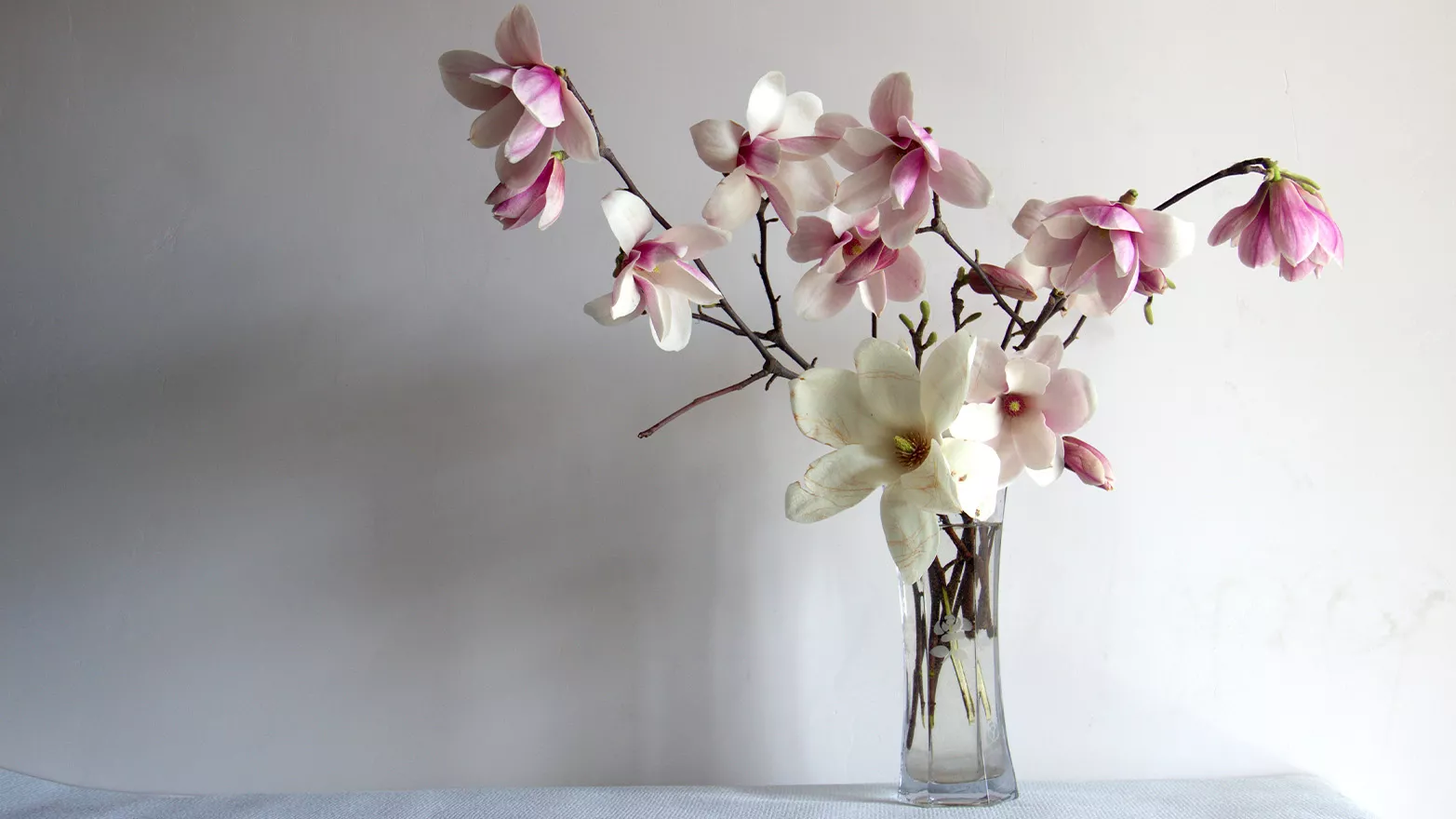
Magnolia flowers are large, elegant blossoms with thick petals and a subtle citrus-like fragrance. Magnolias symbolize dignity, nobility, perseverance and natural beauty, making them a meaningful addition to many floral displays.
They thrive in sunny locations with slightly acidic soil and moderate watering. Magnolias grow on perennial trees and shrubs, typically blooming in spring and early summer. Florists use magnolia branches and blossoms in sophisticated floral arrangements or minimalist home decor.
27. Begonia
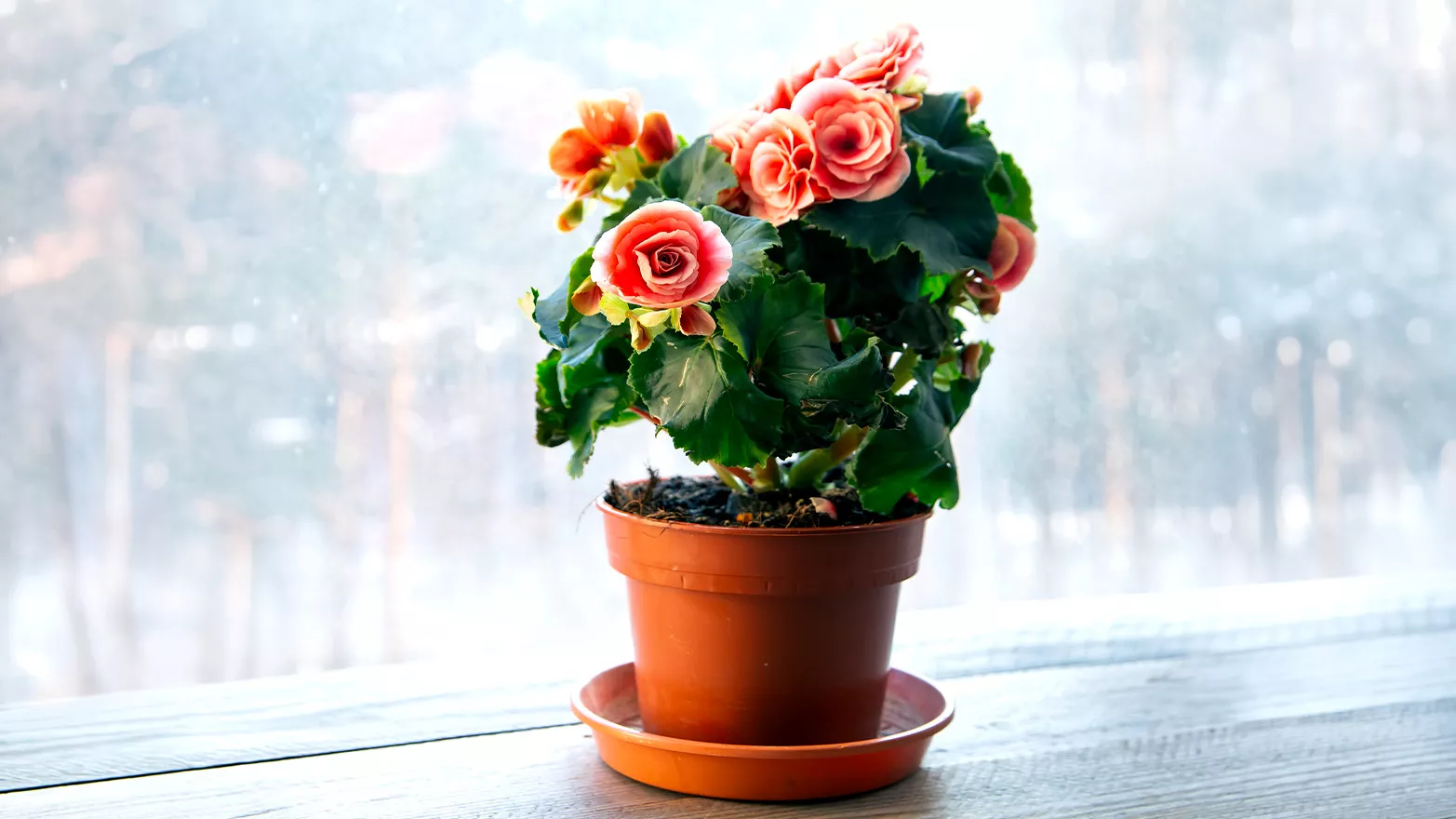
Begonias are colorful ornamental flowers known for their vibrant petals and glossy leaves that give an Art Nouveau vibe to any room. These blooms symbolize harmony, gratitude and individuality.
Gardeners commonly grow them as annuals or indoor perennials, depending on climate conditions. They thrive in partial shade with moderate watering and well-drained soil. Their bright colors and compact size make begonias ideal for decorative planters and cheerful indoor displays.
28. Coneflower
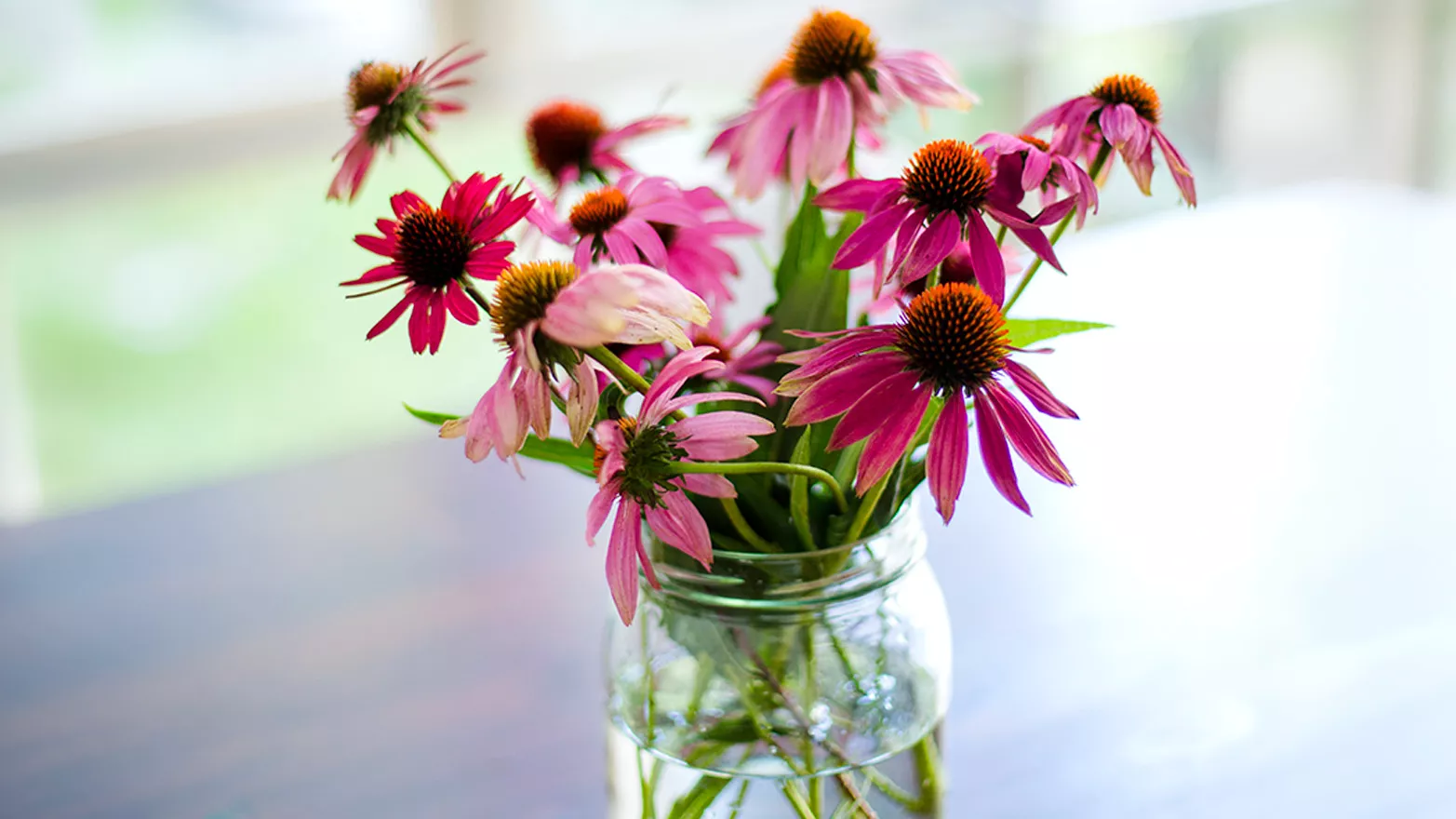
Coneflowers are recognizable by their daisy-like petals surrounding a raised center cone. These flowers symbolize strength, health, healing and resilience. The symbolism isn’t surprising considering their use in traditional remedies by Native Americans.
They are hardy perennial plants that grow well in sunny conditions and tolerate drought once established. They require minimal maintenance and attract pollinators like butterflies and bees. In bouquets, coneflowers create a natural, wildflower-inspired look.
29. Daylily
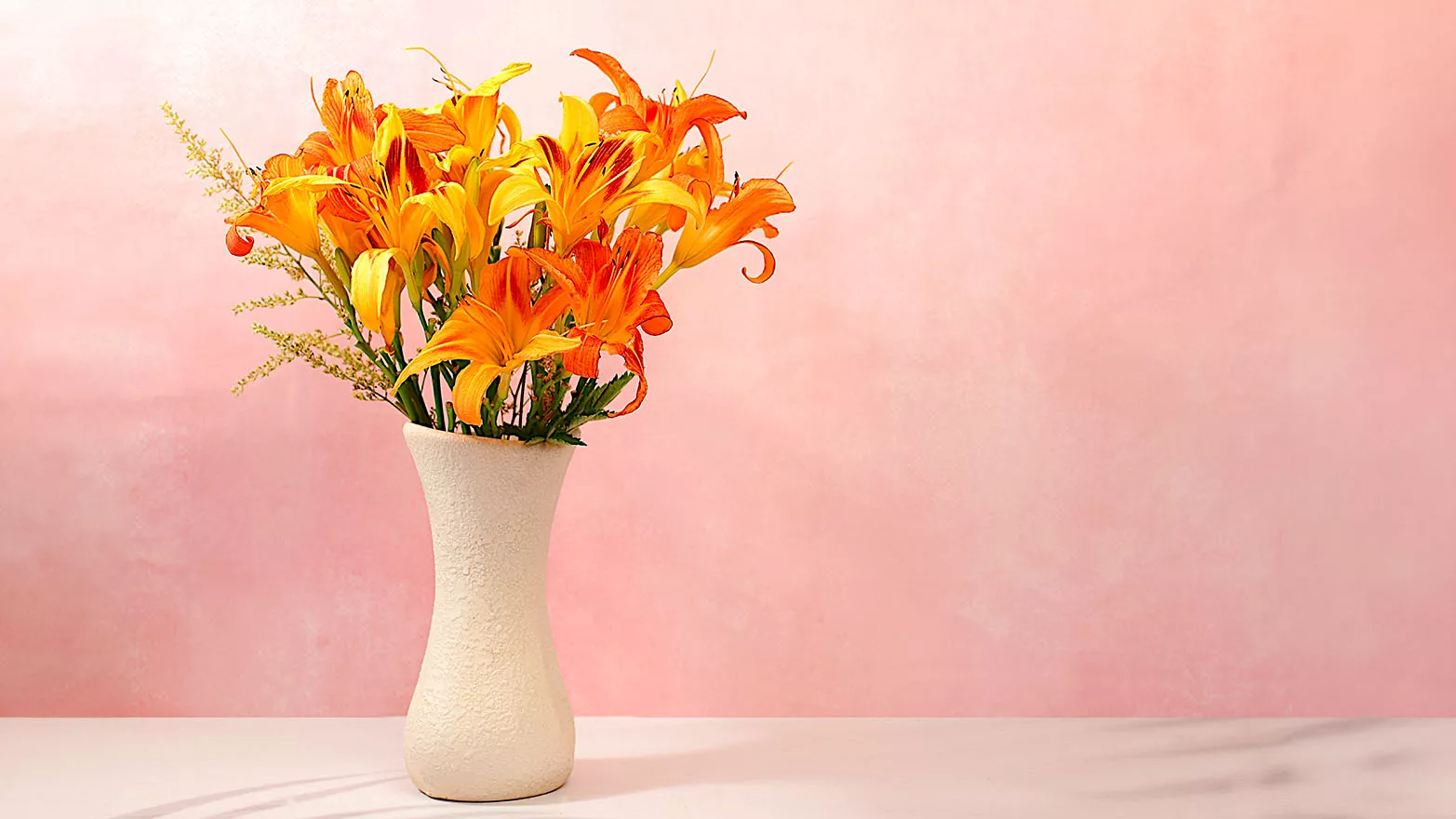
Daylilies are vibrant trumpet-shaped flowers that bloom in a wide range of colors, including orange, yellow, pink and red. They symbolize renewal and optimism.
They are perennial plants known for their resilience and adaptability. Each bloom lasts only one day, but plants produce multiple flowers throughout the season. Their bright appearance makes them popular in garden arrangements and casual bouquets.
30. Lotus
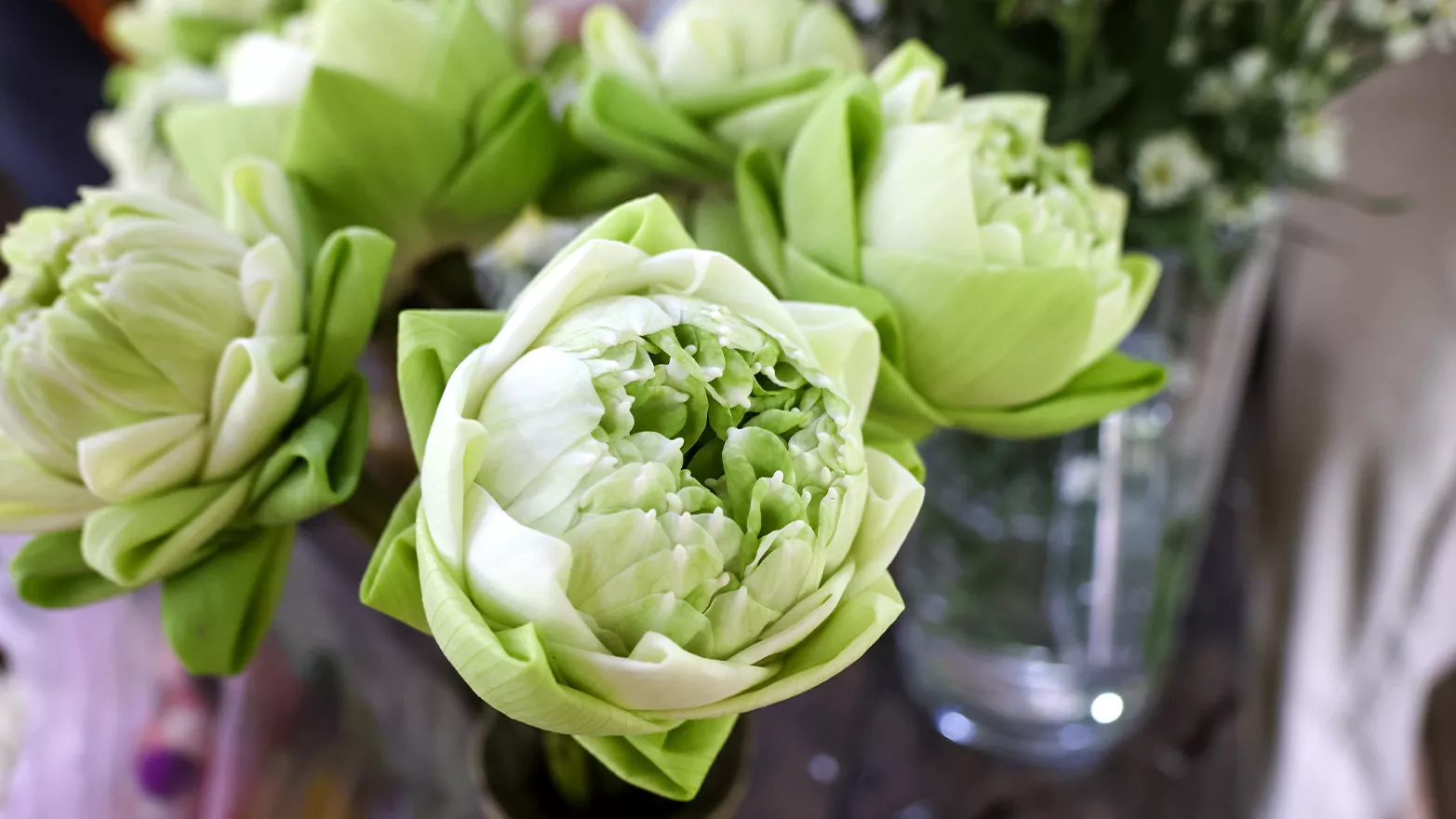
Lotus flowers are iconic aquatic blooms that rise above the water with graceful petals. They symbolize enlightenment, rebirth and spiritual growth in many cultures, particularly in Asia and Egypt.
Lotus plants are perennial aquatic flowers that grow in warm, shallow water environments. They require full sunlight and calm water conditions. Their striking appearance features prominently in decorative displays and cultural ceremonies across cultures.
31. Water lily
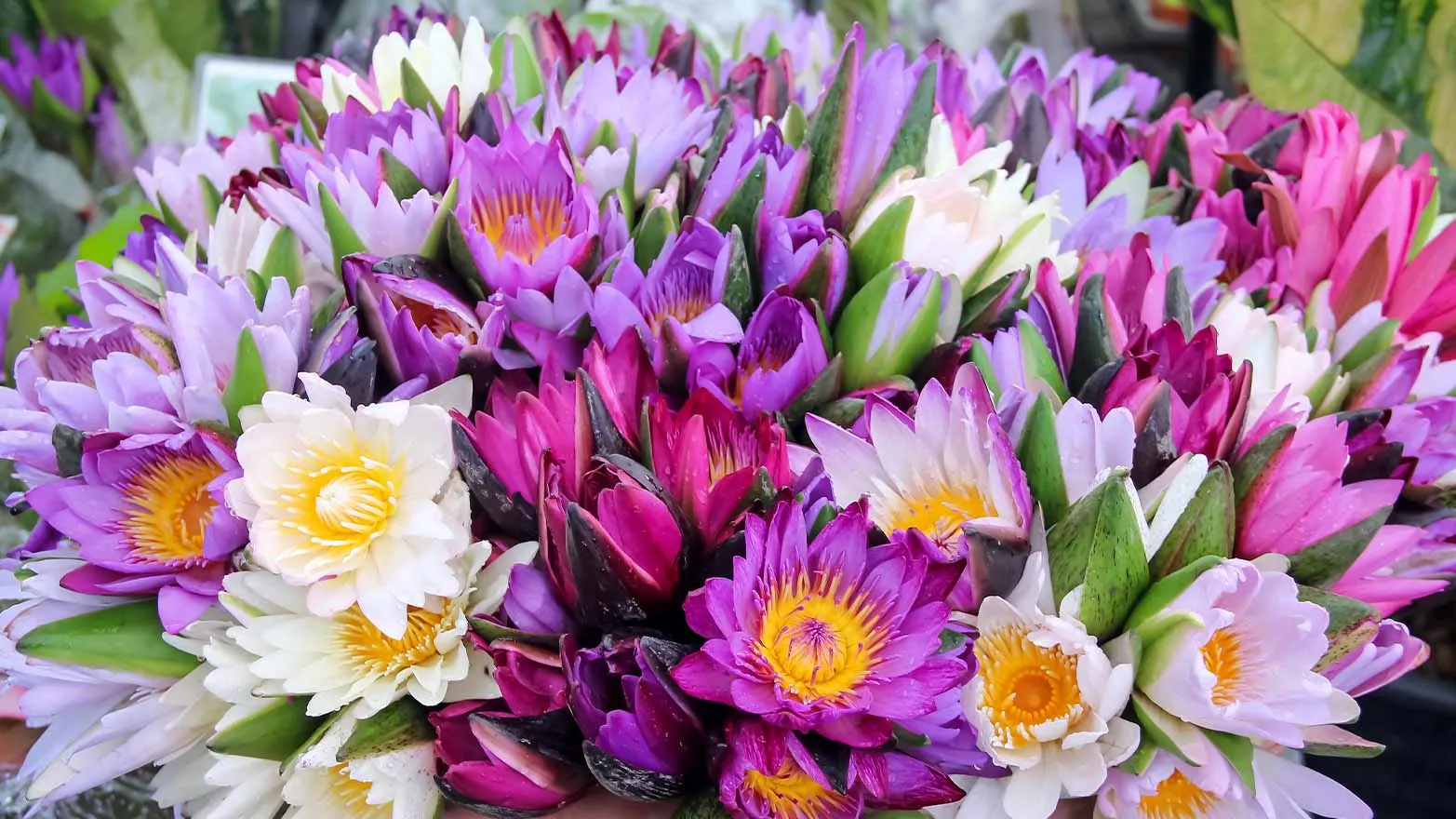
Water lilies are floating aquatic flowers known for their serene beauty and wide petals resting on pond surfaces. These flowers symbolize peace and purity.
These perennial aquatic plants thrive in calm water environments with plenty of sunlight. Their large blooms and glossy leaves create dramatic visual interest in water gardens and decorative ponds.
32. Bluebell
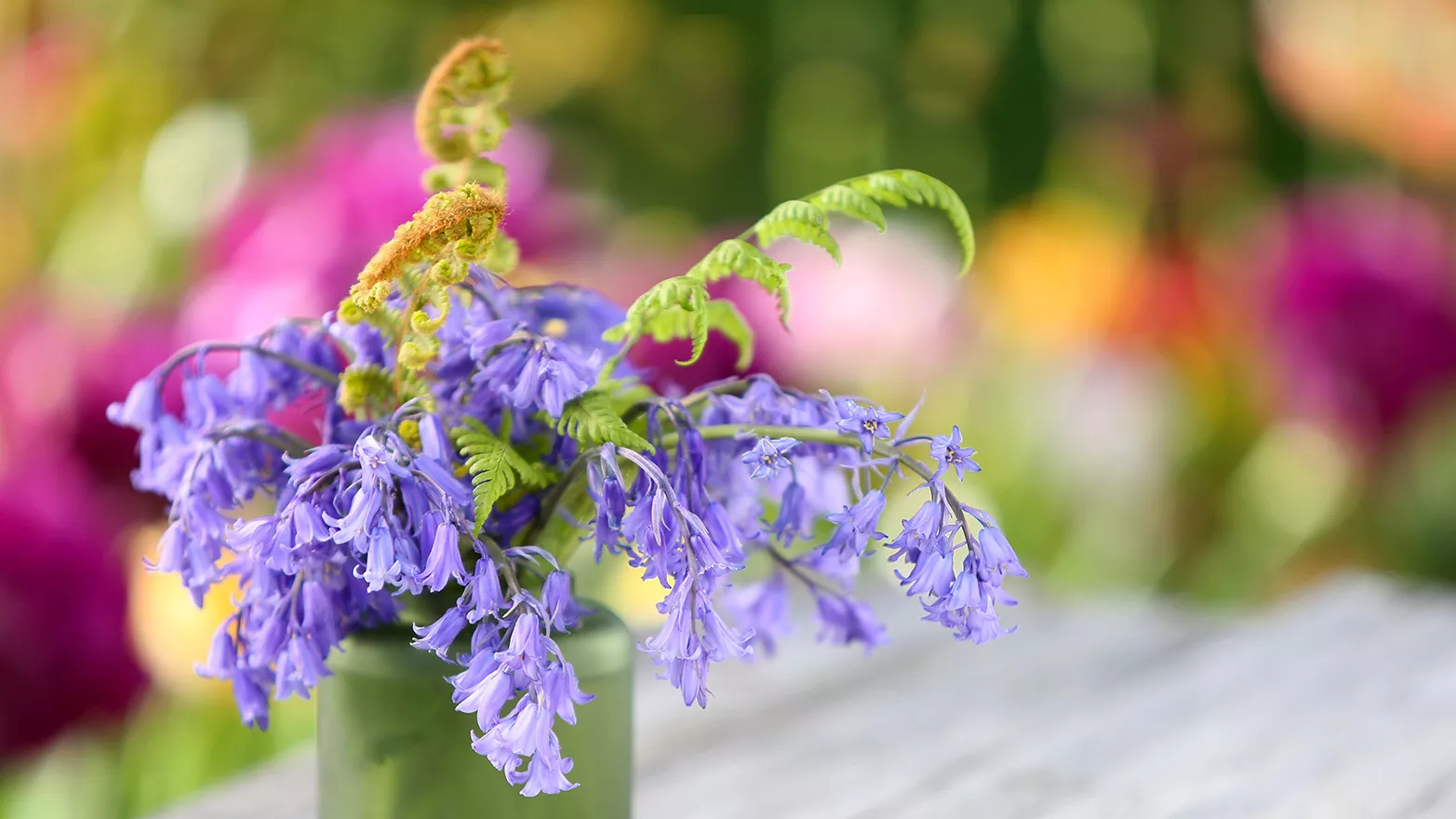
Bluebells are delicate bell-shaped flowers that form sweeping carpets of blue in woodland areas during spring. They symbolize humility, gratitude and everlasting love.
They require minimal maintenance and spread naturally over time. Bluebells are perennial plants that grow best in shaded environments with moist soil. In floral arrangements, bluebells add a soft woodland aesthetic and gentle color.
33. Cornflower
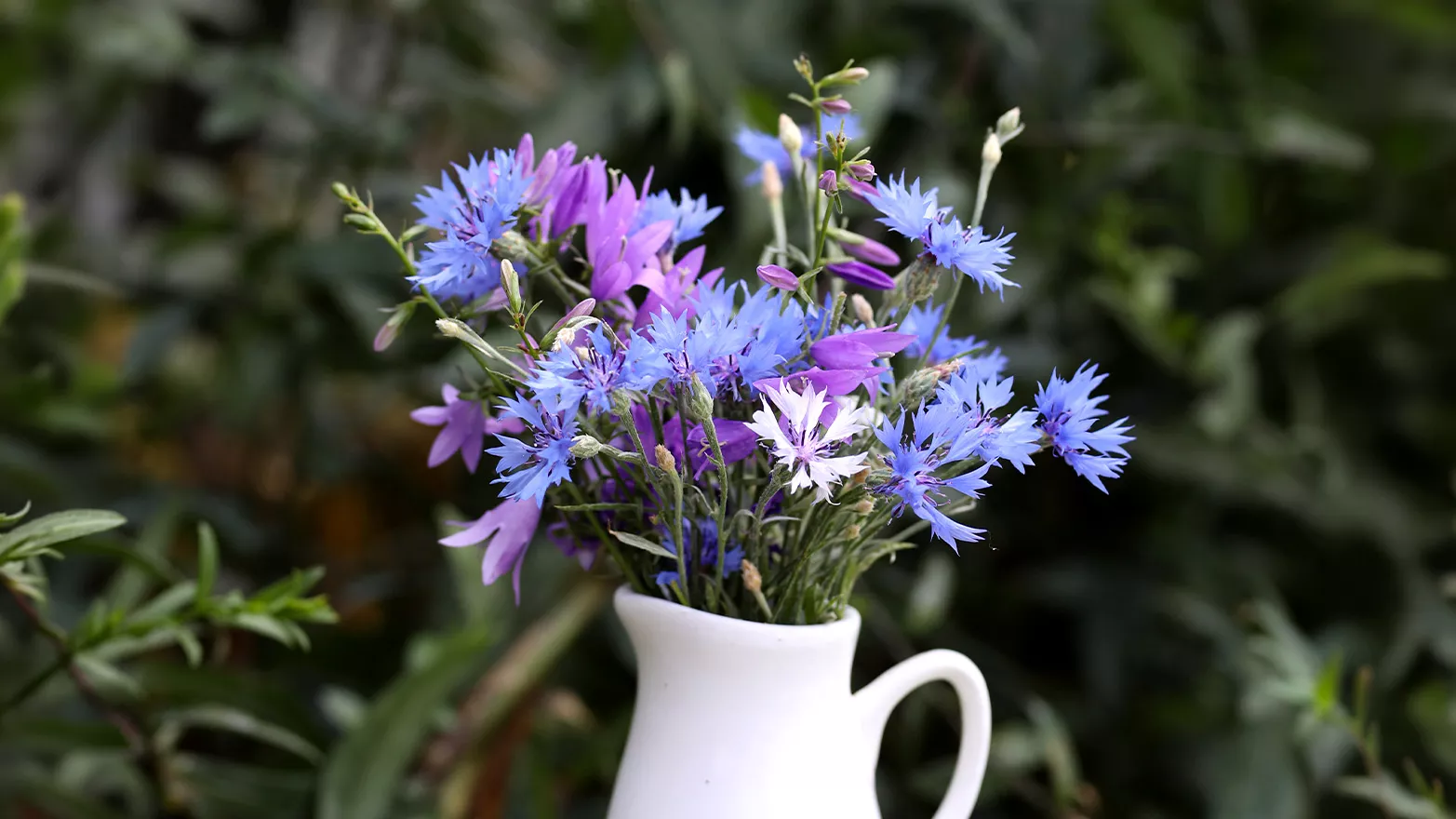
Cornflowers carry an intense blue pigment with fringed petals and a striking star-like shape. They symbolize hope, devotion, good fortune and prosperity. Also, it’s the international symbol for ALS awareness.
These flowers are typically annual flowers that thrive in sunny conditions with well-drained soil. Their bright blue color makes them popular in cottagecore style bouquets and rustic floral arrangements.
34. Black-eyed Susan
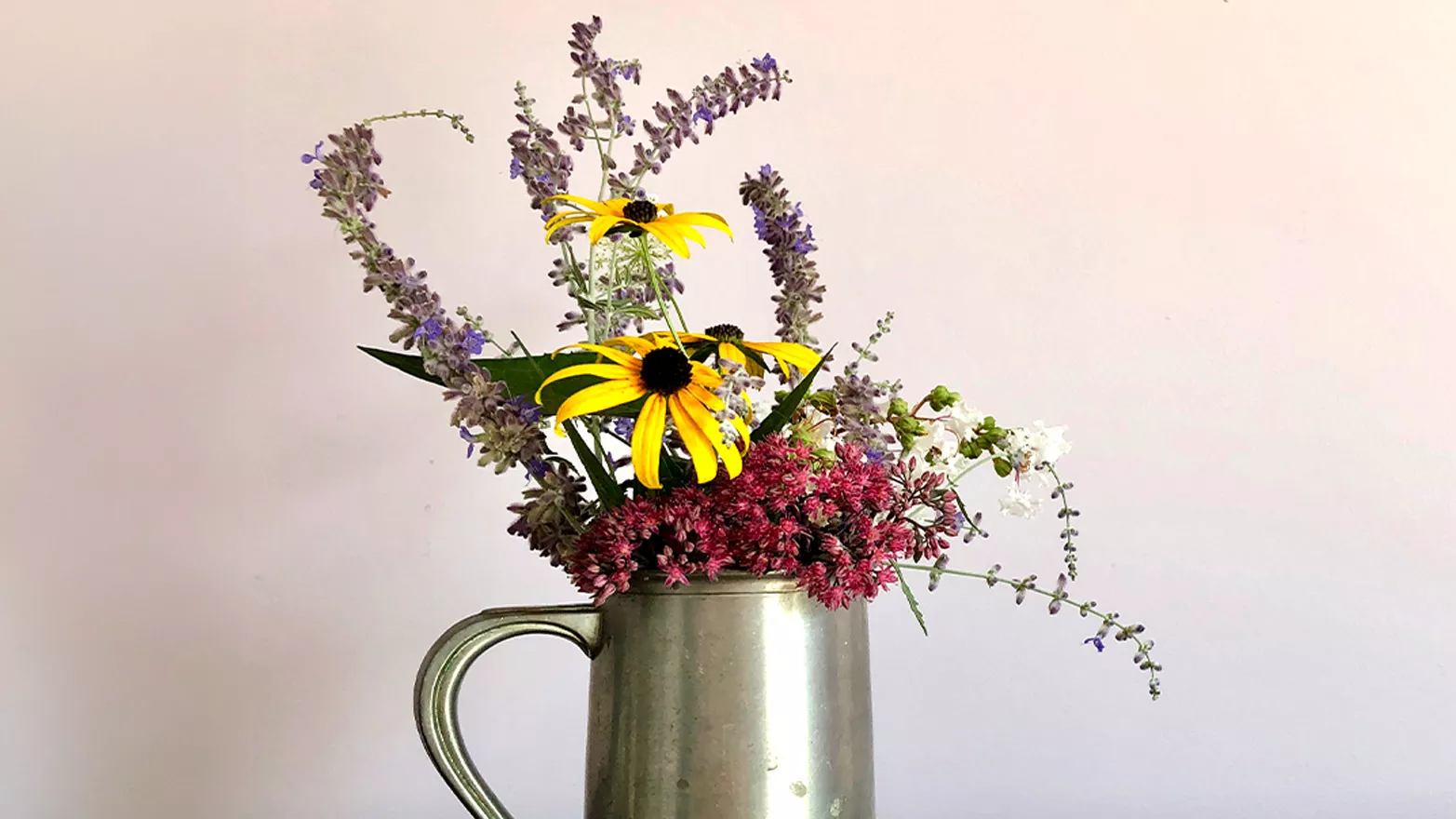
Black-eyed Susans are cheerful yellow flowers with dark central cones that resemble miniature sunflowers. A flower meant to inspire people to overcome challenges, they symbolize encouragement, motivation, positivity and resilience.
These flowers are perennials or biennial depending on the species, growing well in sunny environments and tolerating drought conditions. Their bright color and durability make them popular for summer bouquets and garden displays.
35. Bird of Paradise
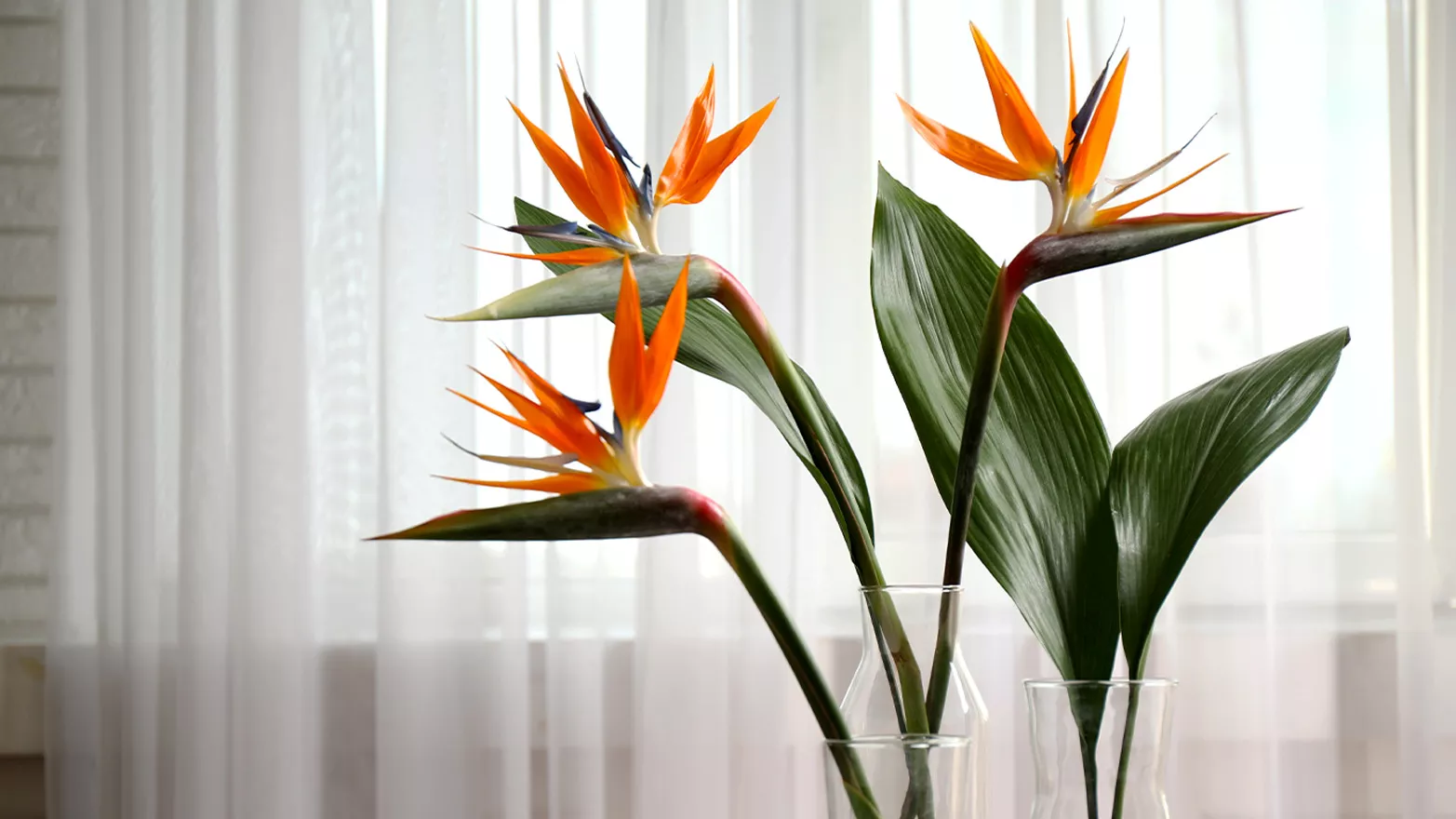
Bird of Paradise flowers are exotic tropical blooms that resemble brightly colored birds in flight. These striking flowers symbolize freedom, joy and, as stated in their name, paradise.
Native to South Africa, Bird of Paradise plants are perennials that thrive in warm climates with plenty of sunlight. Their bold structure makes them a standout feature in tropical floral arrangements and modern home decor.
36. Sweet William
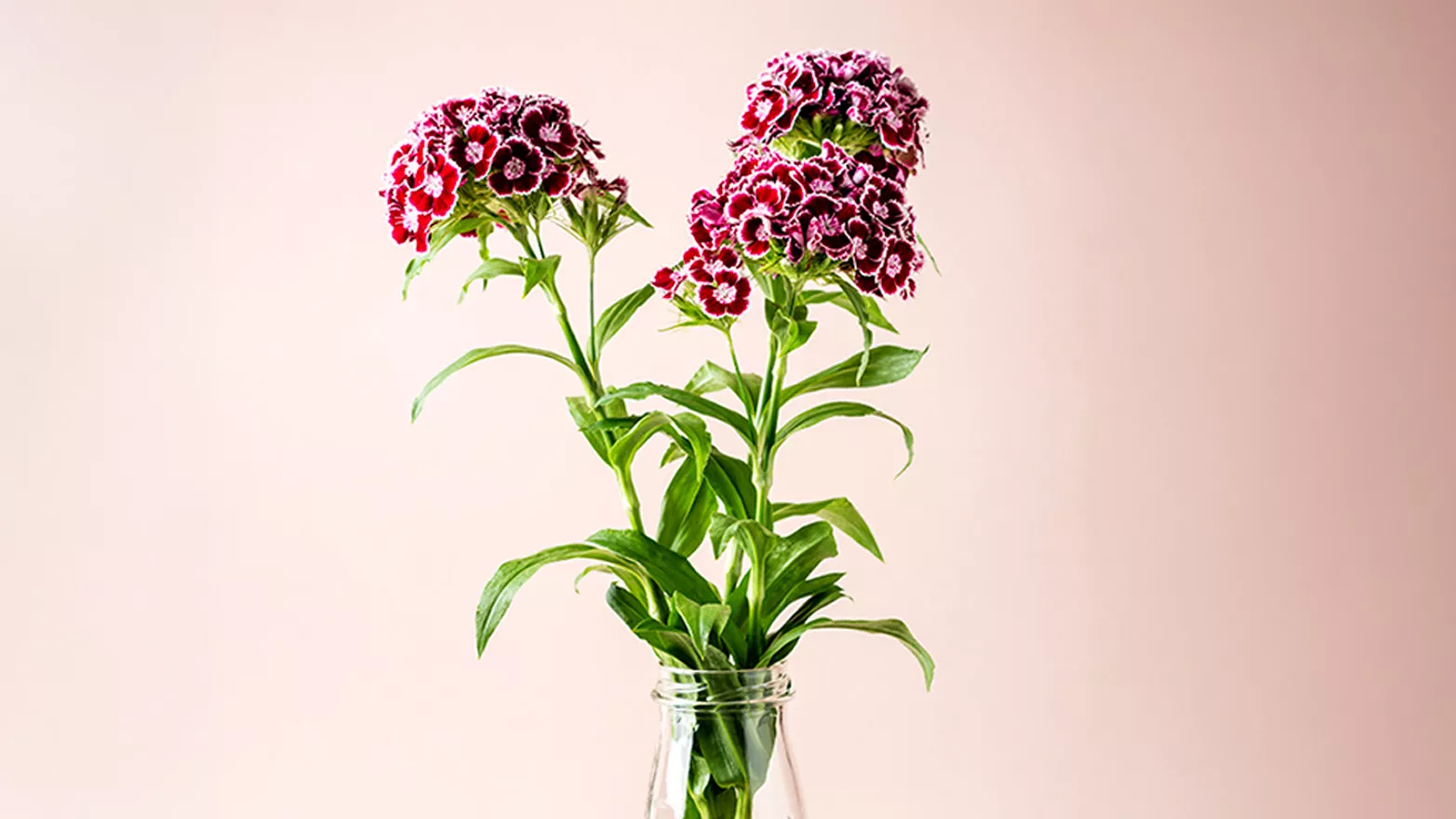
Sweet William flowers grow in clusters of small, colorful blooms that often feature contrasting centers. They symbolize finesse and masculinity. During Victorian times, people closely linked them to gallantry.
Sweet William plants are typically biennials, producing foliage the first year and flowers the second. They thrive in sunny gardens with moderate watering. Their clustered blooms are popular for cottage-style bouquets.
37. Delphinium
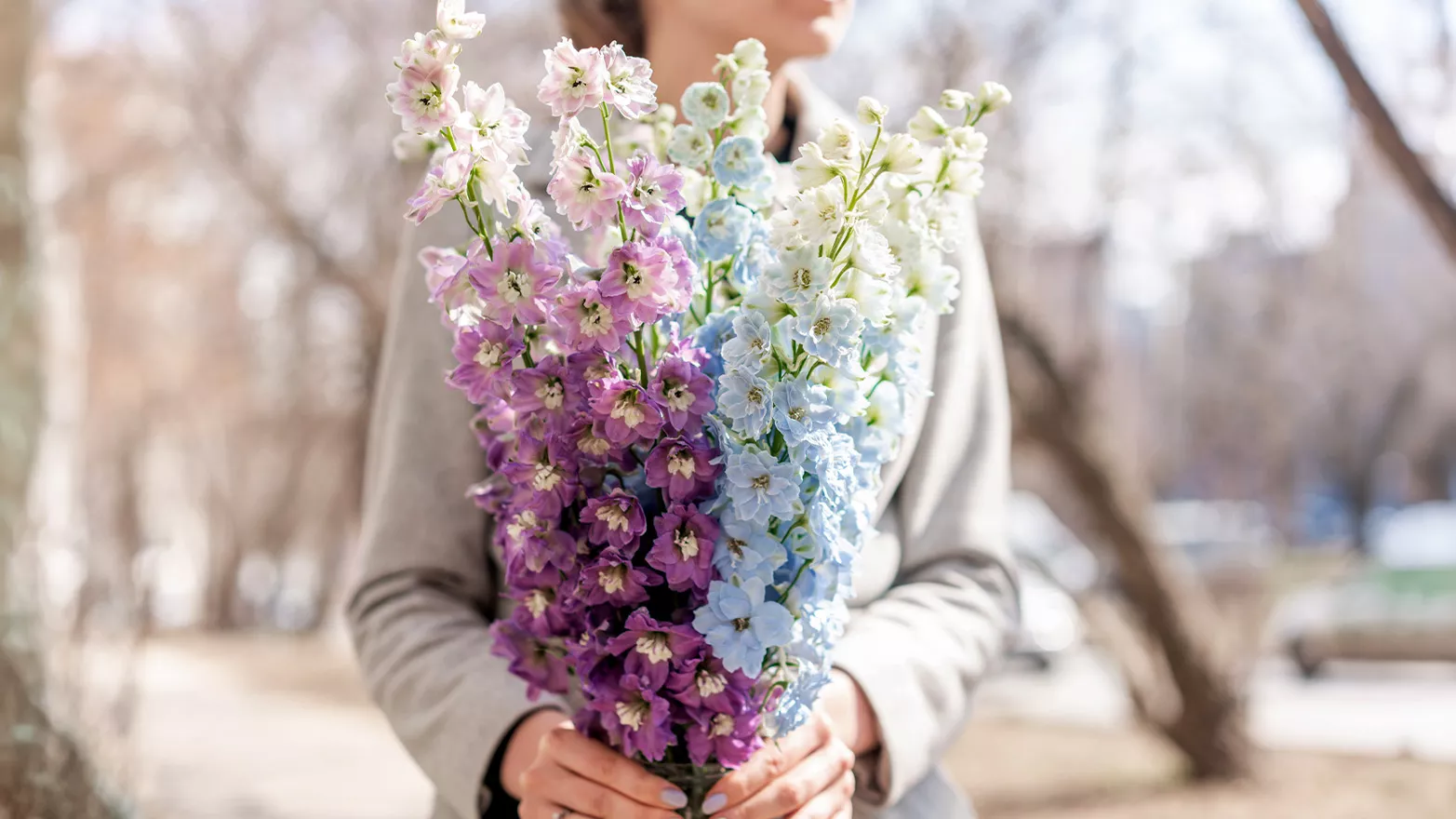
Delphiniums are tall flowers with dramatic spikes of blue, purple, pink or white blossoms. These elegant blooms symbolize dignity and grace. However, don’t let any pet or human ingest them to avoid poisoning.
Delphiniums are perennial plants that prefer cool climates and full sunlight. Their tall structure makes them perfect for adding height and visual interest to bouquets and event centerpieces.
38. Hollyhock
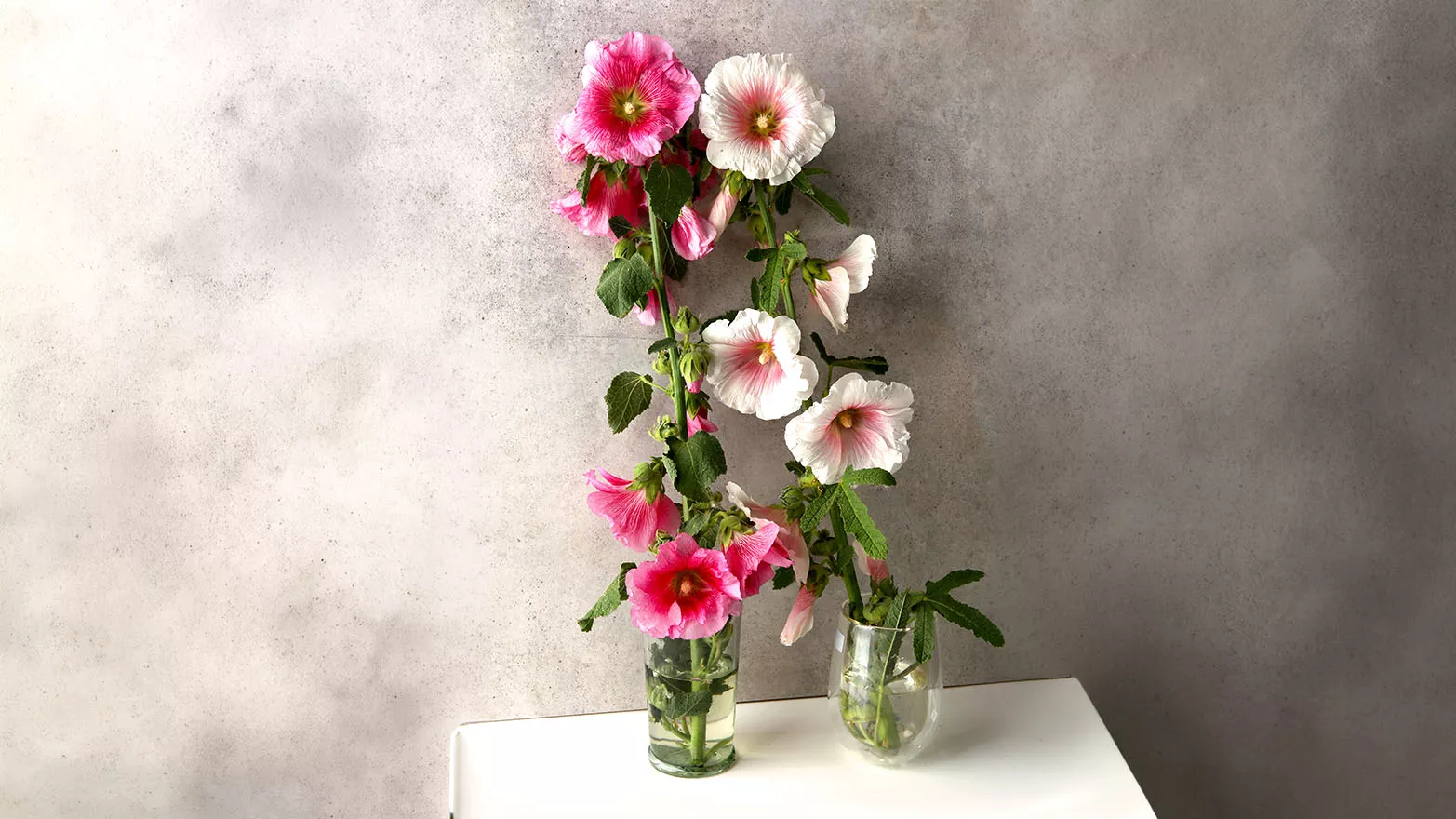
Hollyhocks are tall garden flowers with large blooms arranged along vertical stems. They symbolize ambition and fertility, due to their large seed production.
Most hollyhocks are biennial plants that thrive in sunny conditions and well-drained soil. Their height makes them ideal for dramatic garden displays and rustic floral arrangements.
39. Foxglove
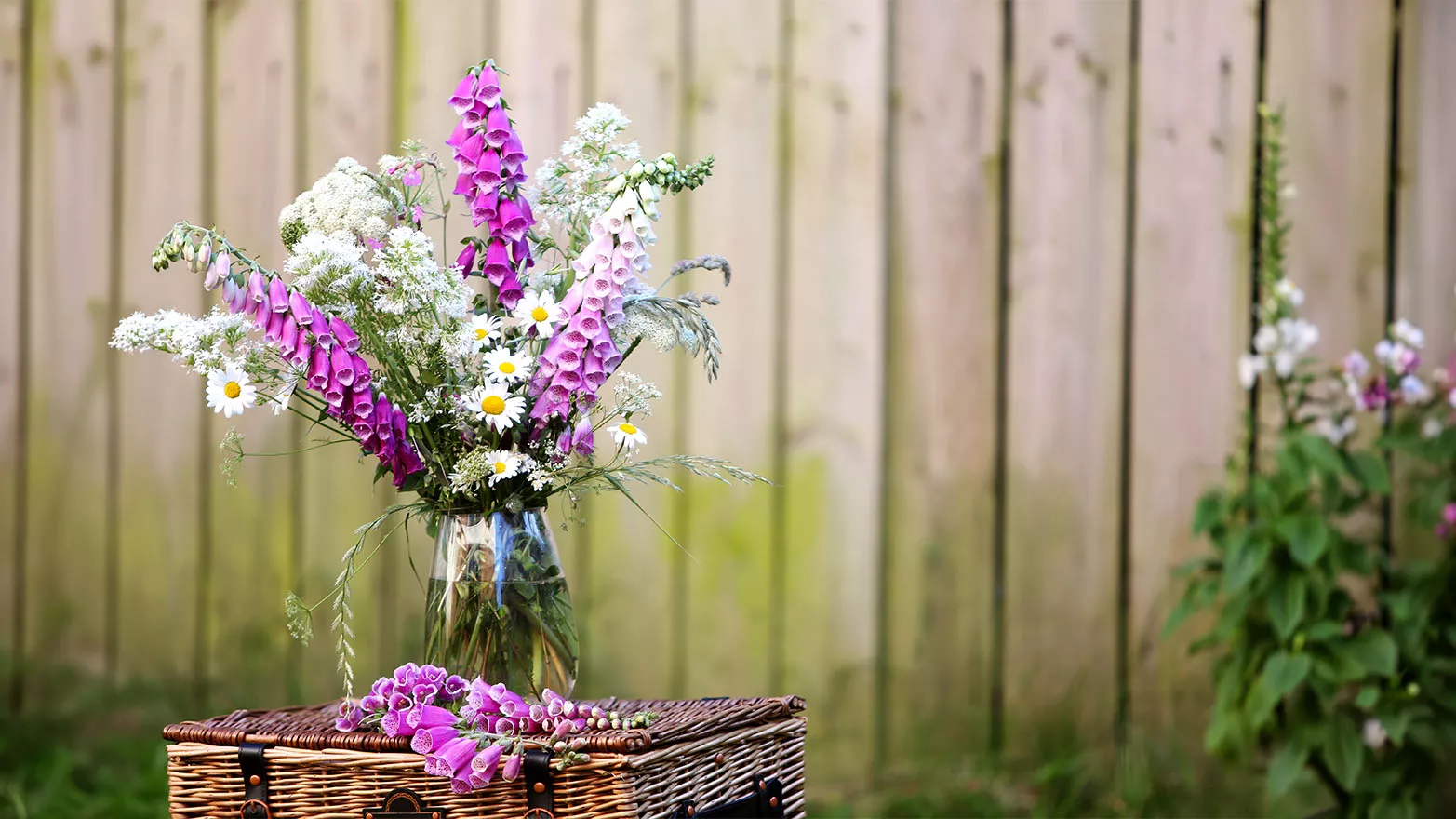
Foxglove flowers feature bell-shaped blooms arranged along tall stems. These flowers have dual meanings. On one hand, they can mean protection and healing, but on the other, they carry a connotation of danger. While foxglove can be used in medicinal remedies, they’re highly toxic to humans and animals if ingested.
These biennials (or short-lived perennials) prefer partial shade and moist soil. Their tall structure adds height and drama to cottage-style gardens and floral arrangements.
40. Nasturtium
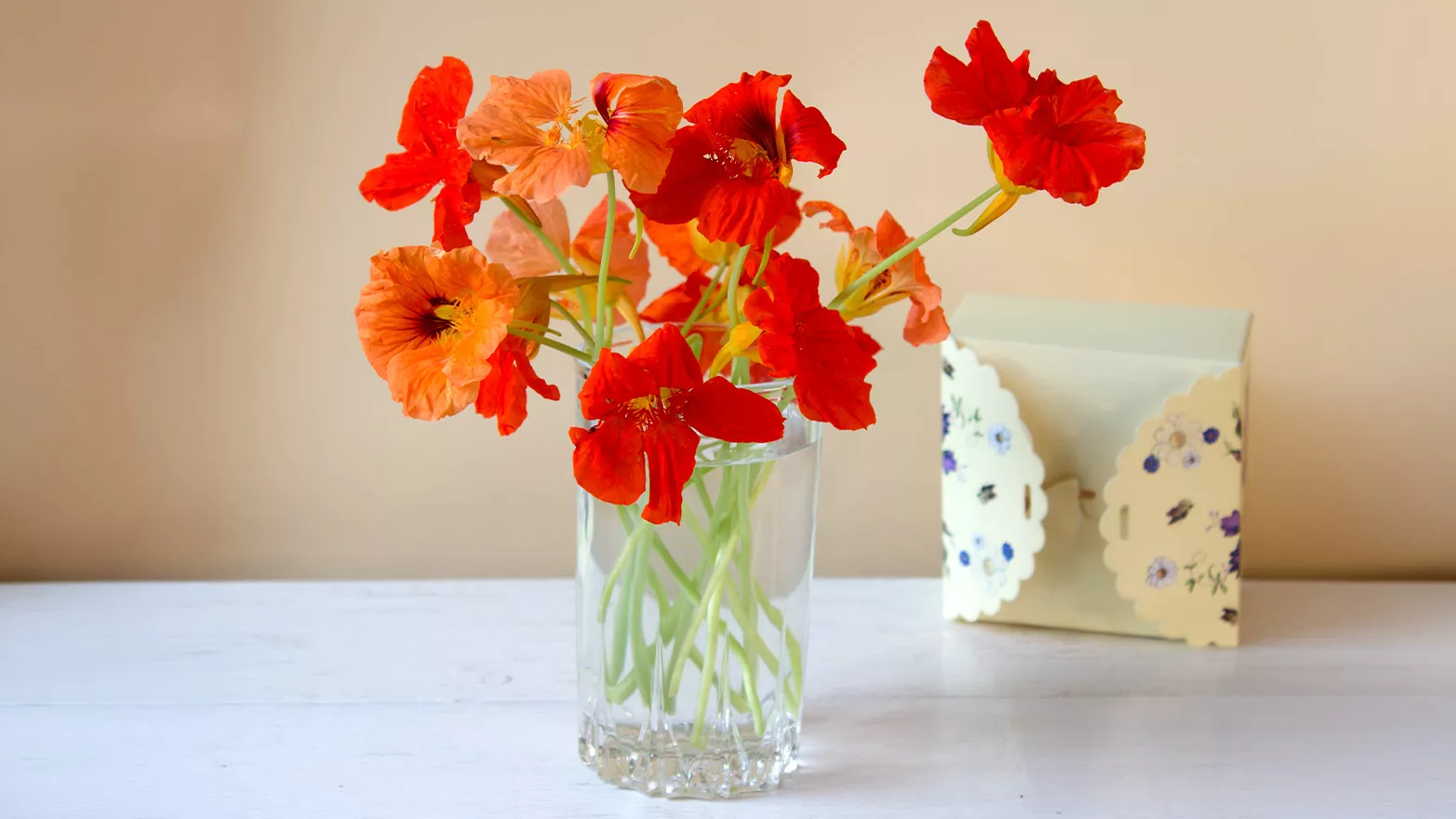
Nasturtiums are bright, cheerful flowers with rounded petals in shades of red, orange and yellow, though there are new cultivars in cream and pink too. They symbolize victory and patriotism.
These annual plants thrive in sunny environments with minimal fertilization. Their flowers and leaves are edible, which makes them popular for decorative garnishes in salads and culinary presentations. In case you’re wondering, they can taste a bit peppery.
41. Chamomile
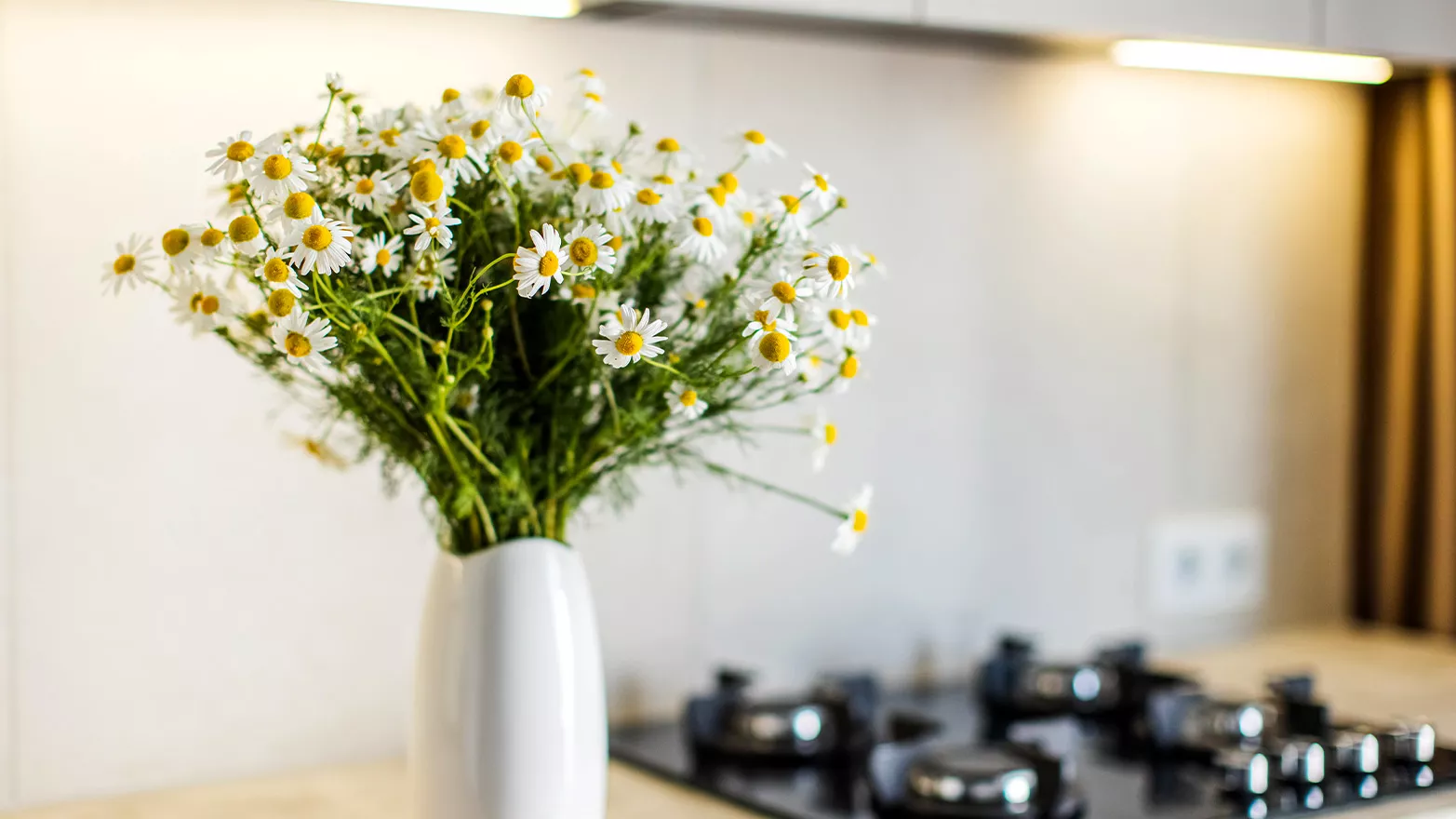
Chamomile flowers resemble small daisies with white petals and yellow centers. These flowers symbolize relaxation and calmness. In Victorian flower language, they represented patience in adversity.
This flower typically grows as an annual herb, thriving in sunny locations with well-drained soil. Harvesters commonly use chamomiles for herbal tea and natural wellness products.
42. Calendula
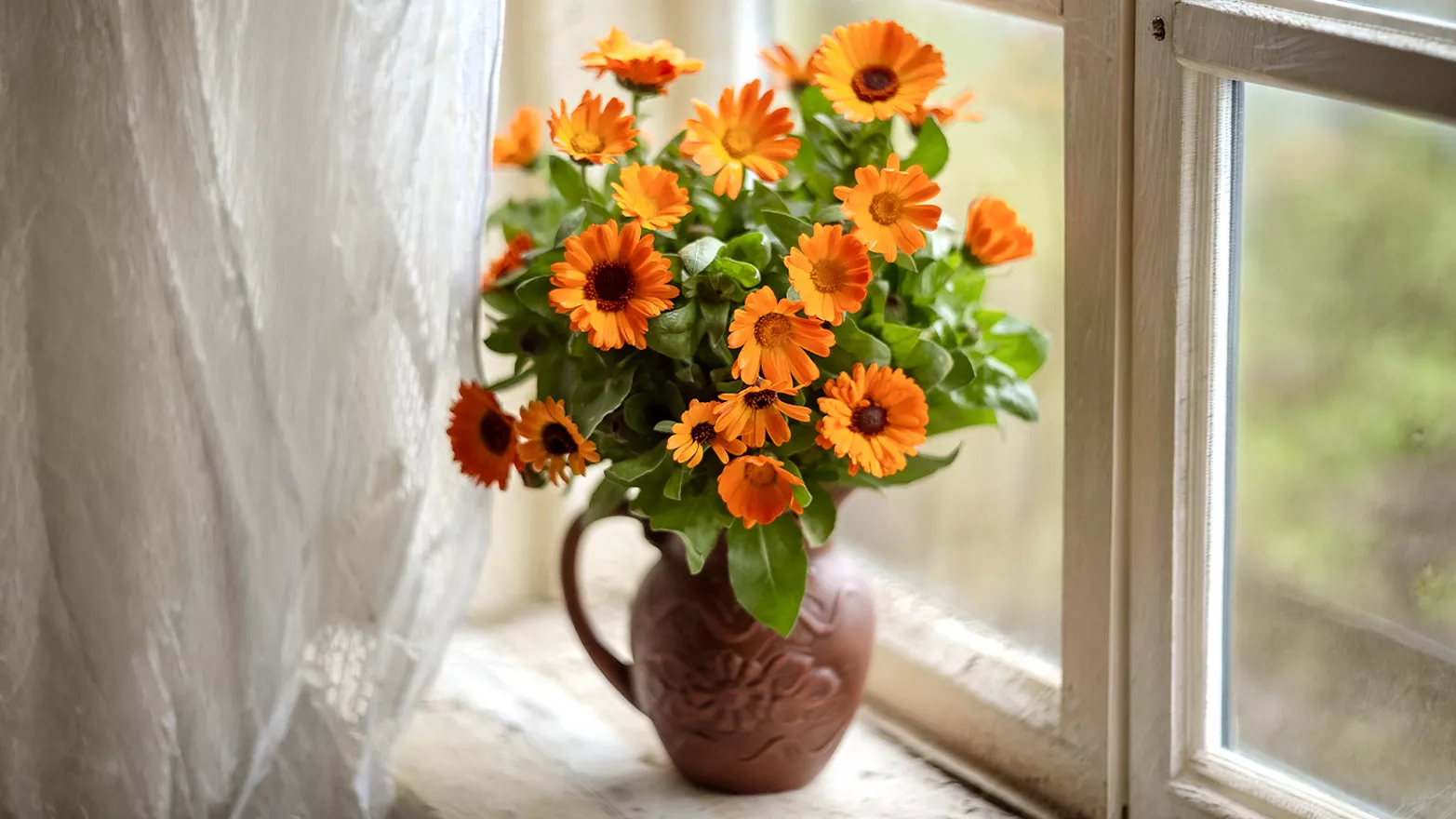
Calendula flowers are bright orange or yellow blooms often called “pot marigolds.” They symbolize warmth, optimism and endurance. As a medicinal flower, it also represents healing and comfort.
Their petals are sometimes used in herbal preparations and natural skincare products. Some traditional herbalists have attributed soothing properties to calendula extracts.
43. Plumeria
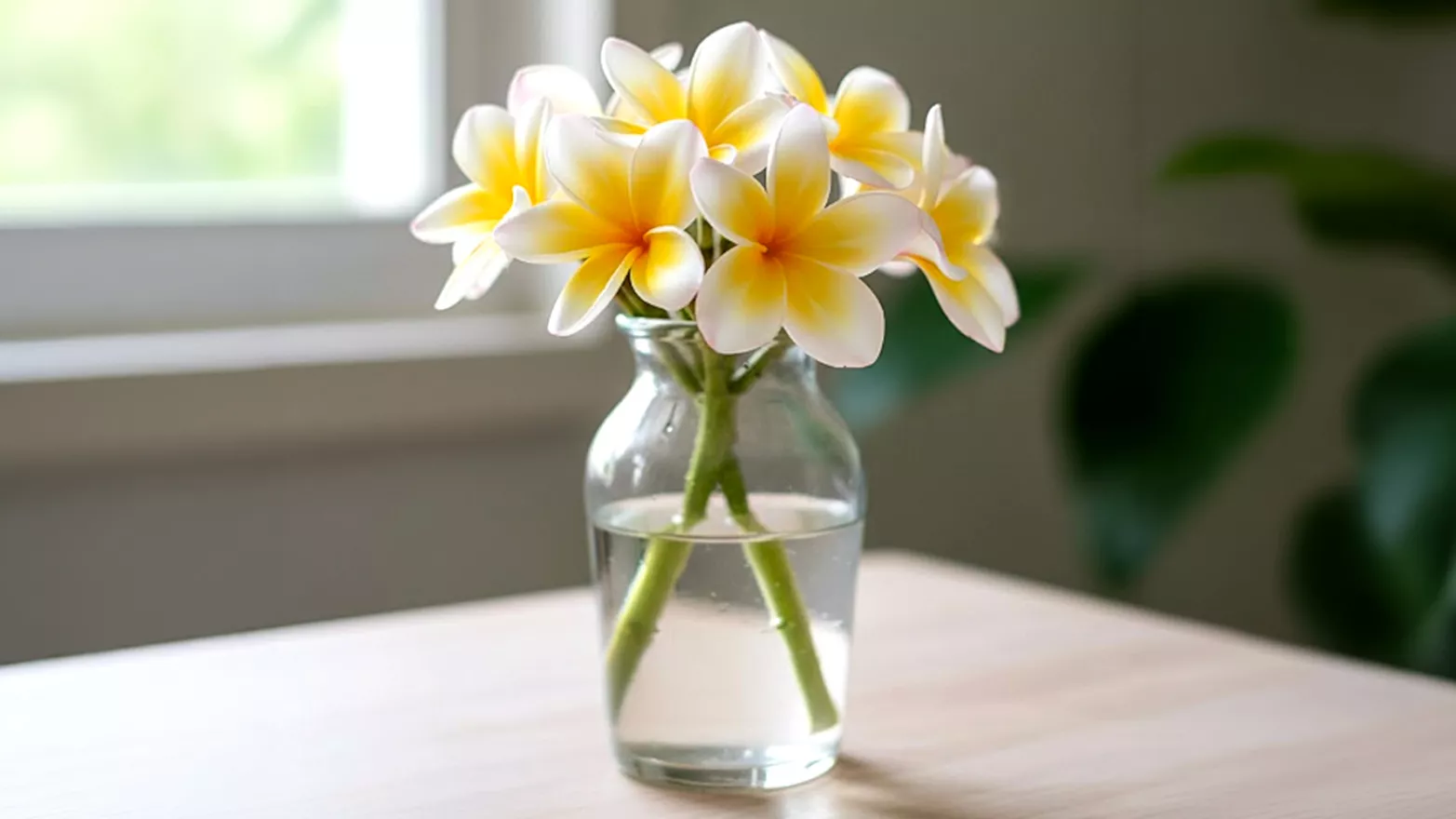
Plumeria flowers are tropical blossoms known for their intense, sweet fragrance and five-petal shape. Their scent is most noticeable in the evenings. They’re linked to immortality, since they can bloom even after being uprooted.
You can find them near the equator, in places like Hawai’i. These perennial trees or shrubs thrive in warm climates with plenty of sunlight. Their flowers are often used to create leis and tropical floral arrangements.
44. Anthurium
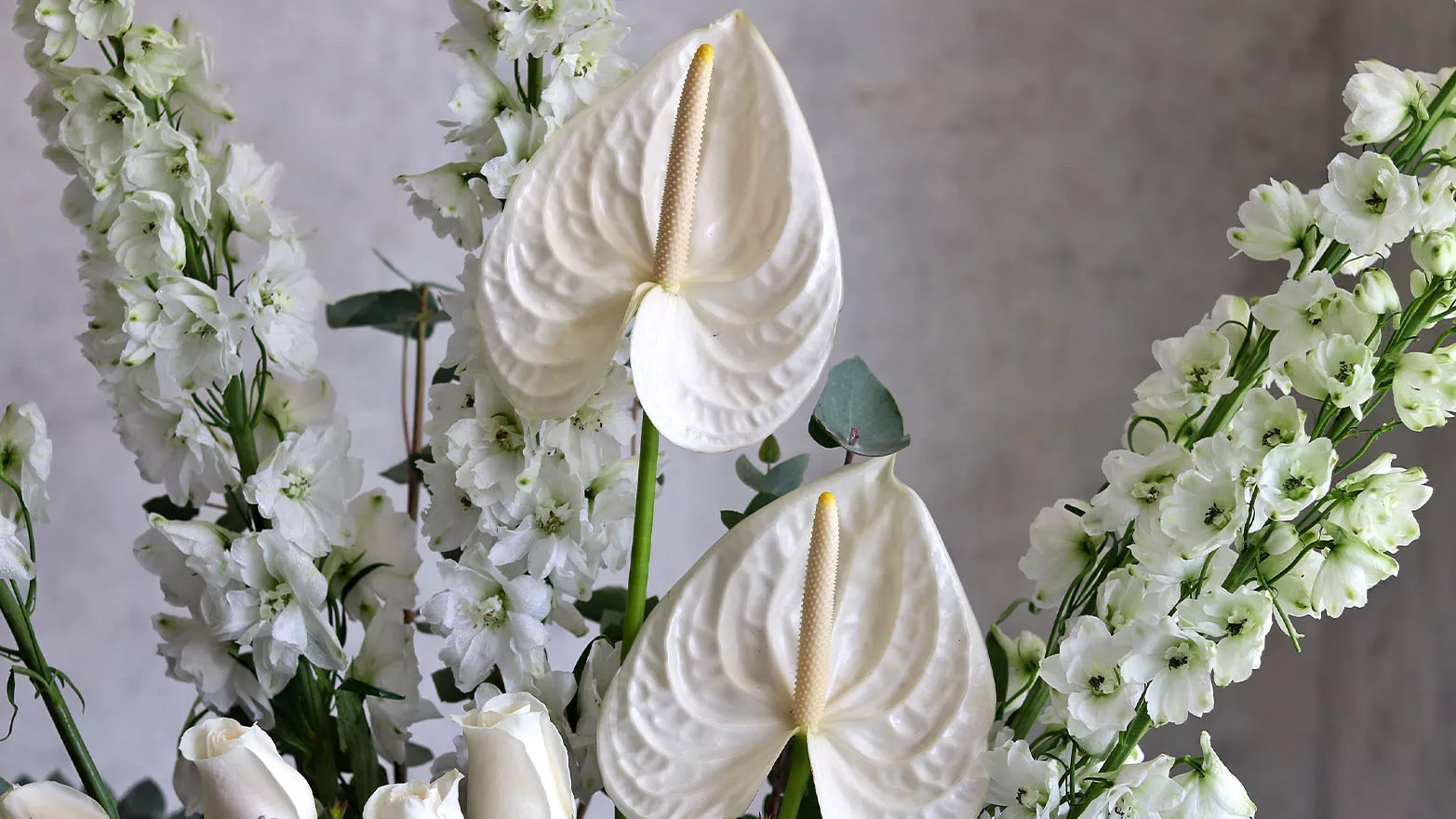
Anthurium flowers are distinctive tropical plants known for their glossy, heart-shaped blooms and bright colors. They are also called laceleaf, flamingo flowers or pigtail plants and symbolize hospitality and happiness.
These perennial houseplants thrive in warm, humid environments with indirect light. Their long-lasting blooms make them popular for modern floral arrangements and indoor decor. Darker hybrids, almost black in color, are trending with flower collectors.
45. Arnica
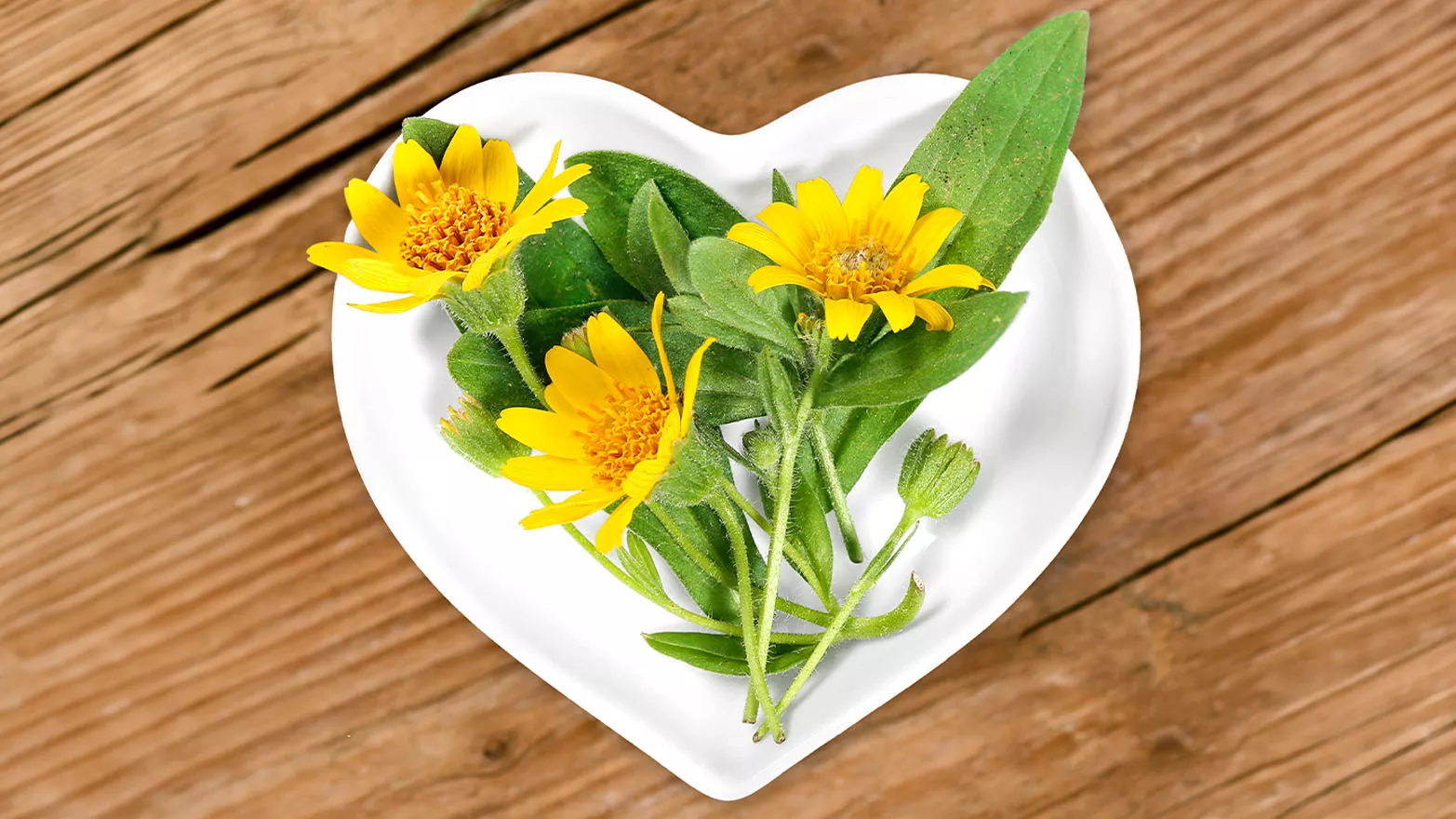
Arnica flowers are small yellow blooms that grow in mountainous regions and resemble daisies. With a long medicinal history, these flowers represent resilience and natural healing, with names such as “flower of recovery” or “the healer's touch.”
Arnica plants are perennials that thrive in cool climates and well-drained soil. While commonly known for herbal uses, arnica flowers also add bright color to alpine gardens and wildflower arrangements.
How to choose the right flowers for your space
Different types of flowers and plants respond according to their environment. A helpful approach is to match flower colors with your existing decor. Neutral interiors look elegant with soft pastels like blush peonies or white lilies, while colorful rooms can handle vibrant accents like zinnias or marigolds.
Another tip is to check seasonal blooms. You can get them fresh and pay a bit less for the arrangement, since seasonal flowers are widely available. If you're ready to refresh your home with fresh flowers, Instacart makes it easy to browse seasonal blooms from local stores and get them delivered the same day.
Here are three tips to help you choose the best:
Check your lighting: Bright, sun-filled spaces work well for flowers like sunflowers and daisies, while lower-light areas pair better with orchids or hydrangeas.
Consider room temperature: Cooler rooms help delicate flowers like tulips and chrysanthemums last longer, while warmer spaces are better suited to tropical blooms like anthuriums or hibiscus.
Think about longevity: If you want flowers that last longer in a vase, choose durable options like carnations, orchids or chrysanthemums, which can stay fresh for up to two weeks with proper care.
Types of flowers FAQ
Below are answers to some of the most common questions about different types of flowers, including which ones last the longest, which are edible and how to keep your arrangements fresh.
What are the top 10 most popular flowers?
The top 10 most popular flowers are the ones more widely used in a given time because of their beauty and availability. These blooms appear frequently in gardening, home decor, professional floral arrangements and seasonal displays. As of now, trending at the top of the list you can find: roses, tulips, lilies, sunflowers, daisies, orchids, carnations, hydrangeas, peonies and chrysanthemums.
Which flowers are edible?
Several flowers are edible and commonly used in cooking, baking and drink garnishes. These blooms often add color, fragrance and subtle flavor to dishes. Popular edible flower options include lavender, chamomile, nasturtium and calendula.
Which flowers last the longest in a vase?
Flowers known for their longevity include: carnations, orchids, chrysanthemums and anthuriums. Some flowers naturally have longer vase lives because of their sturdy stems and slower water loss.
How can I keep my flowers fresh for longer?
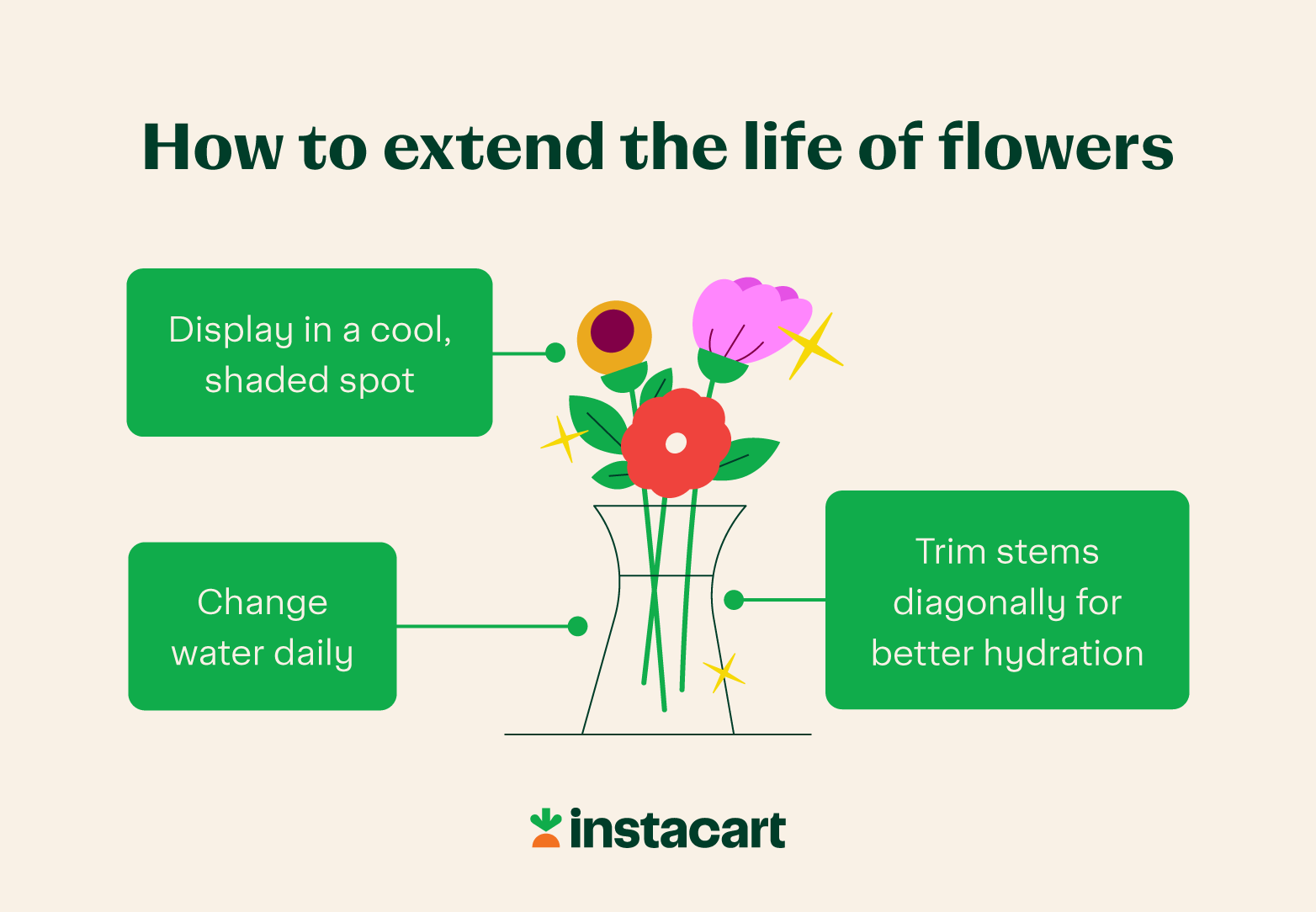
To extend the life of your bouquet:
Change water daily to keep stems hydrated.
Trim stems at an angle every few days to improve water absorption.
Keep flowers away from direct sunlight and heat sources.
What’s the difference between a cultivar and a variety?
A variety is a naturally occurring variation within a plant species, meaning it develops without human intervention. These variations can include differences in color, size or growth habits. On the other hand, a cultivar is a plant that growers have selectively bred to highlight specific traits, such as brighter colors, stronger stems or longer bloom times.
What are the best flowers for beginner gardeners?
Some flowers are especially easy to grow, making them great choices for new gardeners. These plants tend to tolerate a wide range of conditions and require minimal maintenance. Beginner-friendly flowers include marigolds, zinnias, sunflowers and daisies. These blooms grow quickly, thrive in sunny environments and produce colorful displays with relatively little effort.
Which flowers are safe for pets?
Some flowers are considered safer choices for homes with pets, including roses, sunflowers and orchids. However, several common flowers, including lilies, tulips and daffodils, can be harmful to pets if ingested.
Always check the American Society for the Prevention of Cruelty to Animals (ASPCA) pet-safe list before bringing flowers into a home with animals to confirm whether specific varieties are pet-safe.
How many types of flowers are there?
Scientists estimate that there are more than 300,000 species of flowering species worldwide. This vast diversity includes everything from tiny wildflowers to tropical blossoms and flowering trees. Because new species continue to be discovered and cultivated, the exact number of all types of flowers continues to evolve as botanical research advances.
What are the rarest flower colors?
True blue and naturally black flowers are among the rarest colors in nature, since plants have difficulty producing the specific pigments needed to create those shades. Most flowers that appear that dark are actually deep purple or very dark red when viewed closely.
Are there hypoallergenic flowers?
Yes, some flowers are less likely to trigger allergies because they produce minimal airborne pollen. Hypoallergenic flower options include orchids, roses and hydrangeas. Their pollen tends to be heavier and less likely to become airborne, making them better choices for indoor arrangements.
Brighten up your day with flowers through Instacart
With so many beautiful types of flowers to choose from, it’s easy to find blooms that match your style, your home or the occasion you’re celebrating. Fresh flowers can instantly refresh a room or make a thoughtful gift for someone special, with their color and freshness. Or, you can start a garden with your preferred seeds and bulbs.
Go check out Instacart for fresh blooms to help you create your next flower arrangement.