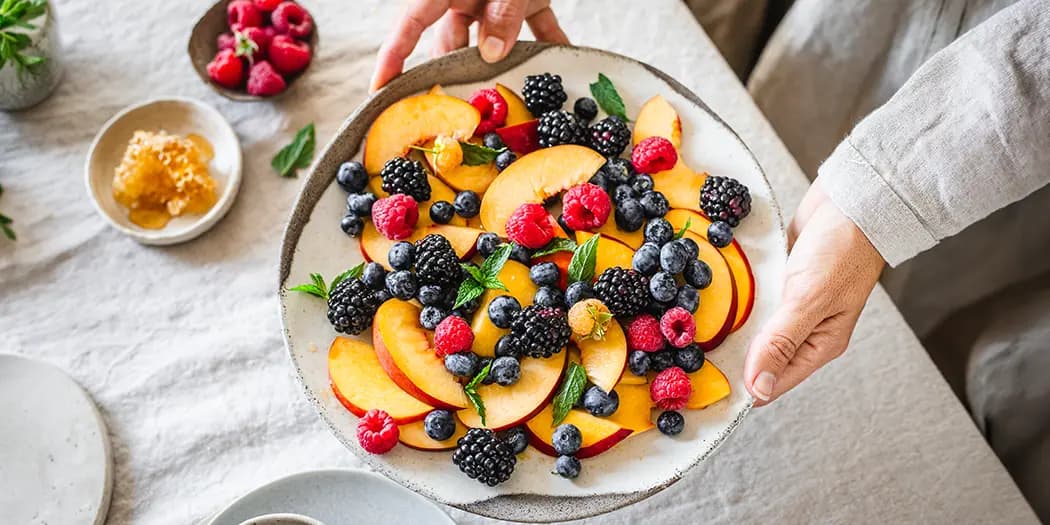
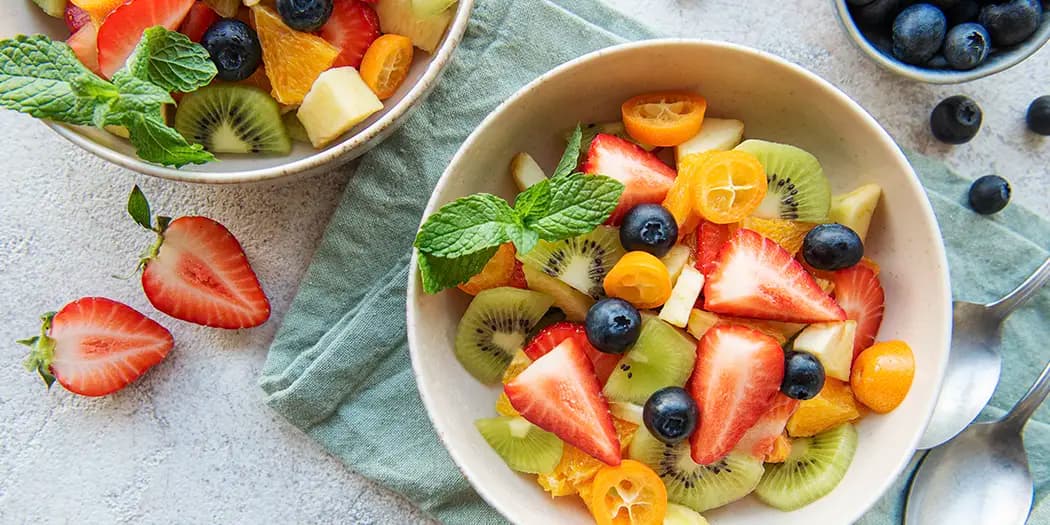
If you’re wondering what fruit is in season in June, you’re in luck because this month delivers one of the widest and freshest selections of the year. Sitting between late spring and early summer, June brings peak-season berries together with the first wave of juicy stone fruits, making it an ideal time to shop for flavorful, in-season produce.
June fruits are often sweeter, more flavorful and a better value than off-season options. The same goes for seasonal vegetables like zucchini, corn and snap peas, which come into their own around now. This guide highlights the June fruits worth knowing, what to look for when buying and how to use them while they’re at their best.
1. Strawberries
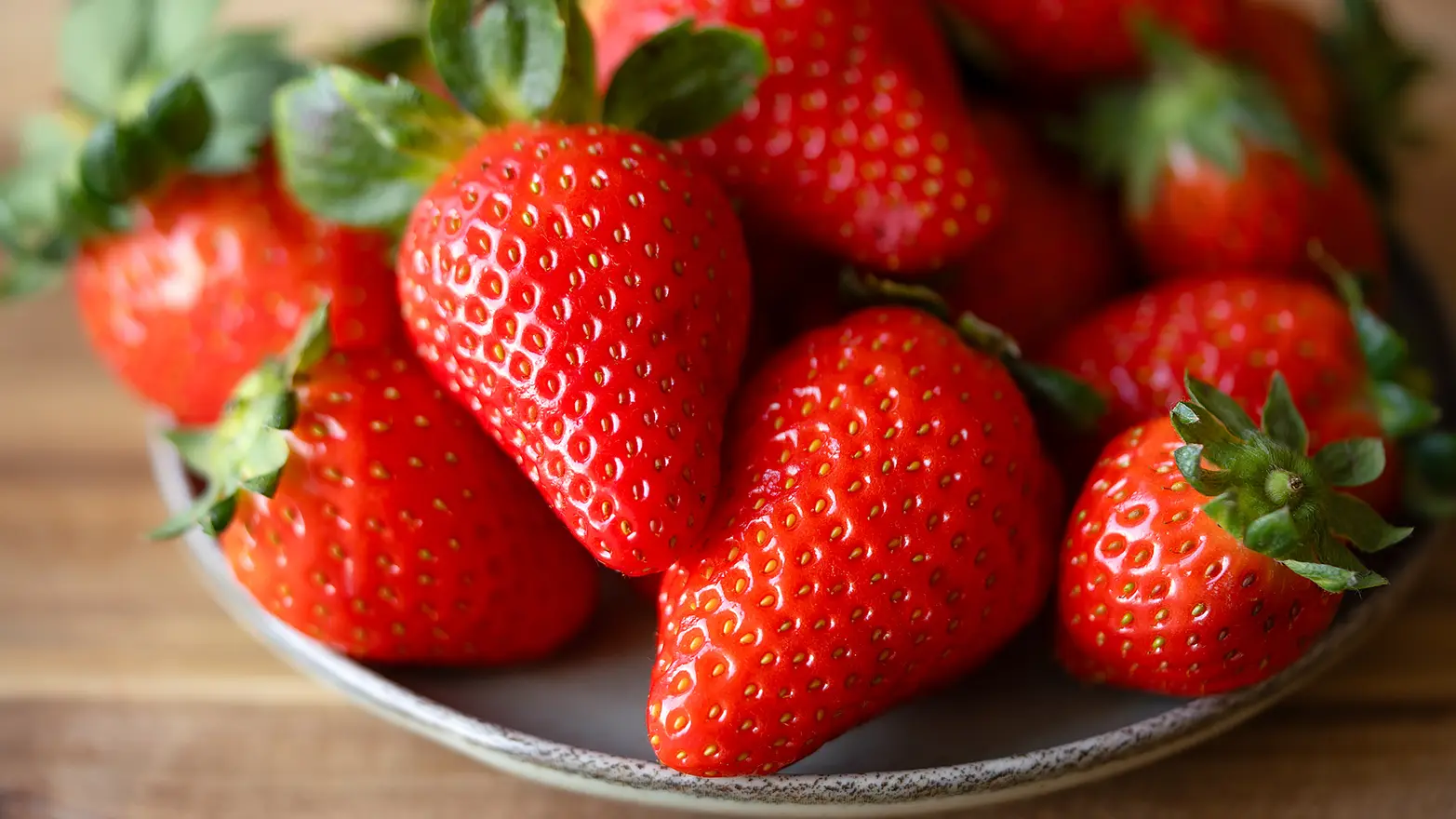
June-bearing strawberries are a different product from what you find in stores in winter. The ones grown for year-round availability are bred to travel and last on shelves. June strawberries ripen fully on the plant, giving them a much higher sugar content and that deep red color all the way through.
When buying, skip any berries that are white or pale near the stem. Smell them first if you can. A ripe strawberry should have a strong, sweet fragrance. If it smells like nothing, it will taste like nothing. Buy only what you can eat in a day or two since they go quickly once fully ripe.
Try it in a recipe: Fluffy and Fresh Strawberry Cake
2. Cherries
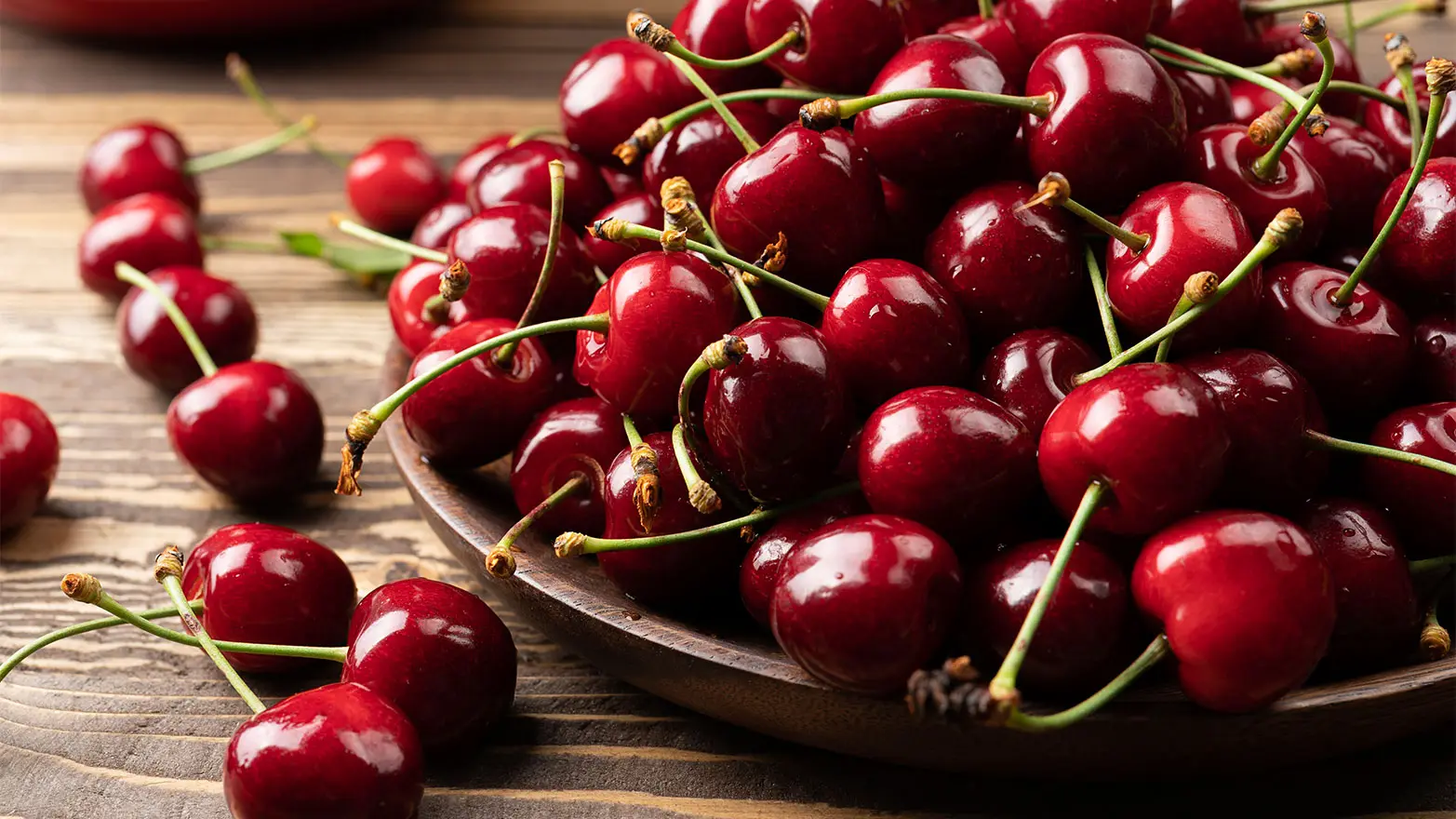
Cherry season is short, so knowing what to look for matters. The two main June varieties are Bing, which is deep red and intensely sweet, and Rainier, which has golden skin with a pink blush and a softer, honey-like flavor. Both are at their best in early June.
Choose cherries with bright green, flexible stems. Brown or brittle stems are a sign they have been sitting too long. The cherries themselves should feel firm and heavy. They work well for simple snacking but also hold up in desserts like a chocolate tart or a classic clafoutis.
Try it in a recipe: Cherry Smoothie
3. Blueberries
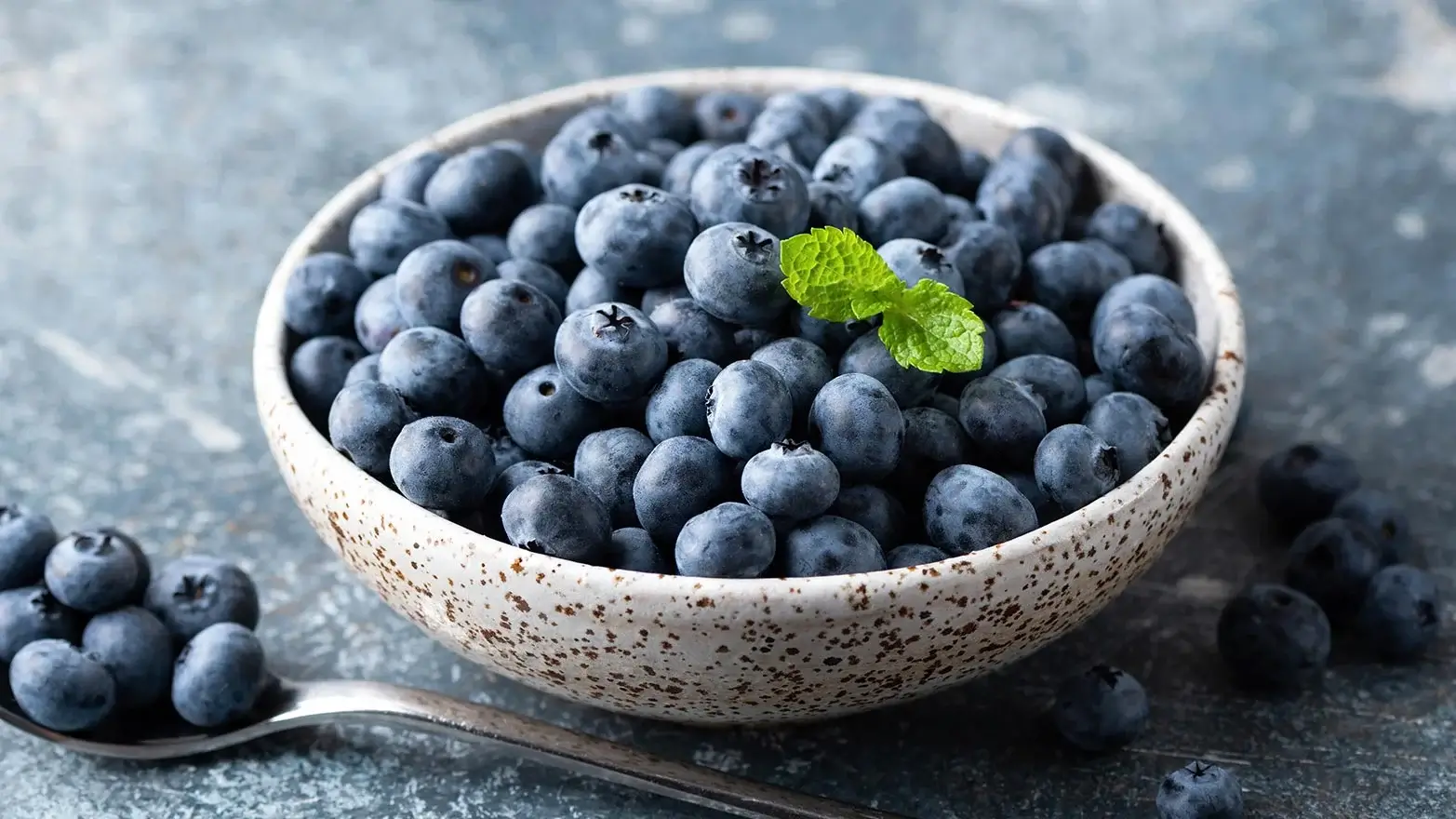
June marks the start of highbush blueberry season across most temperate growing regions. These berries are firmer and sweeter than off-season spring fruit options, and they hold up well in both baking and eating fresh.
Look for the natural whitish coating on the berry itself, often called the “bloom.” It is not a defect. It helps protect the fruit and is a good sign the blueberries are fresh and have not been over-handled. Shiny blueberries usually mean that the coating has been rubbed off during transport.
Store blueberries unwashed in the refrigerator to prevent excess moisture, which can lead to mold and faster spoilage. Rinse them right before eating to keep them fresher longer.
Try it in a recipe: Fluffy and Moist Blueberry Muffins
4. Peaches
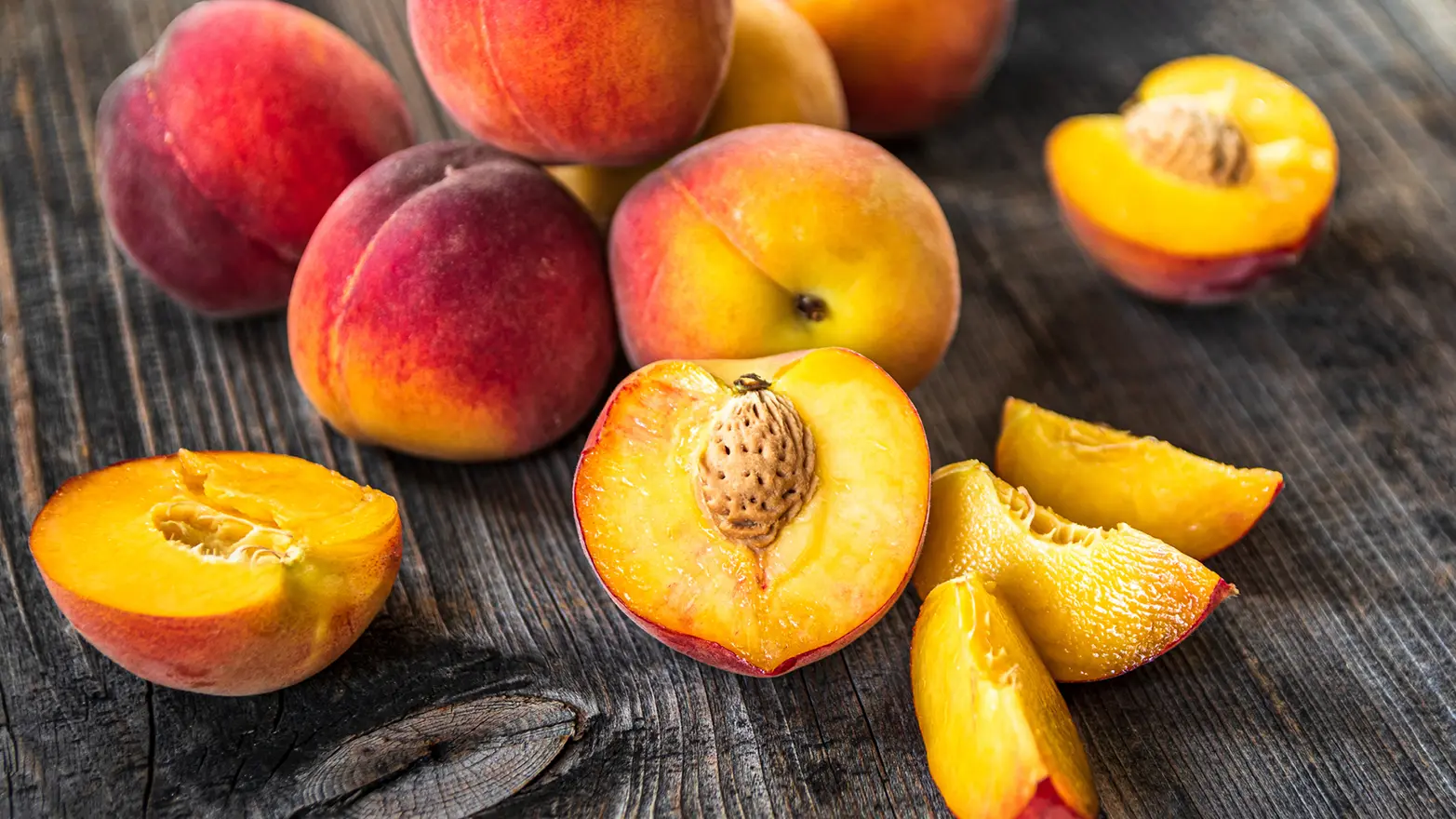
Early June peaches are mostly clingstone varieties, meaning the flesh sticks to the pit rather than separating cleanly. That makes them harder to slice. However, clingstones tend to be juicier and more flavorful than the freestone varieties that arrive later in summer, making them excellent for eating fresh.
If your peaches are still firm when you get them home, do not put them in the fridge. Cold kills the flavor and changes the texture permanently. Instead, leave them in a paper bag at room temperature. The bag traps ethylene gas that the fruit naturally releases, speeding up ripening in a day or two. Once they are soft and fragrant, try halving them and grilling cut-side down for a few minutes.
Try it in a recipe: Peach Upside Down Cake
Grab it now on Instacart


5. Apricots
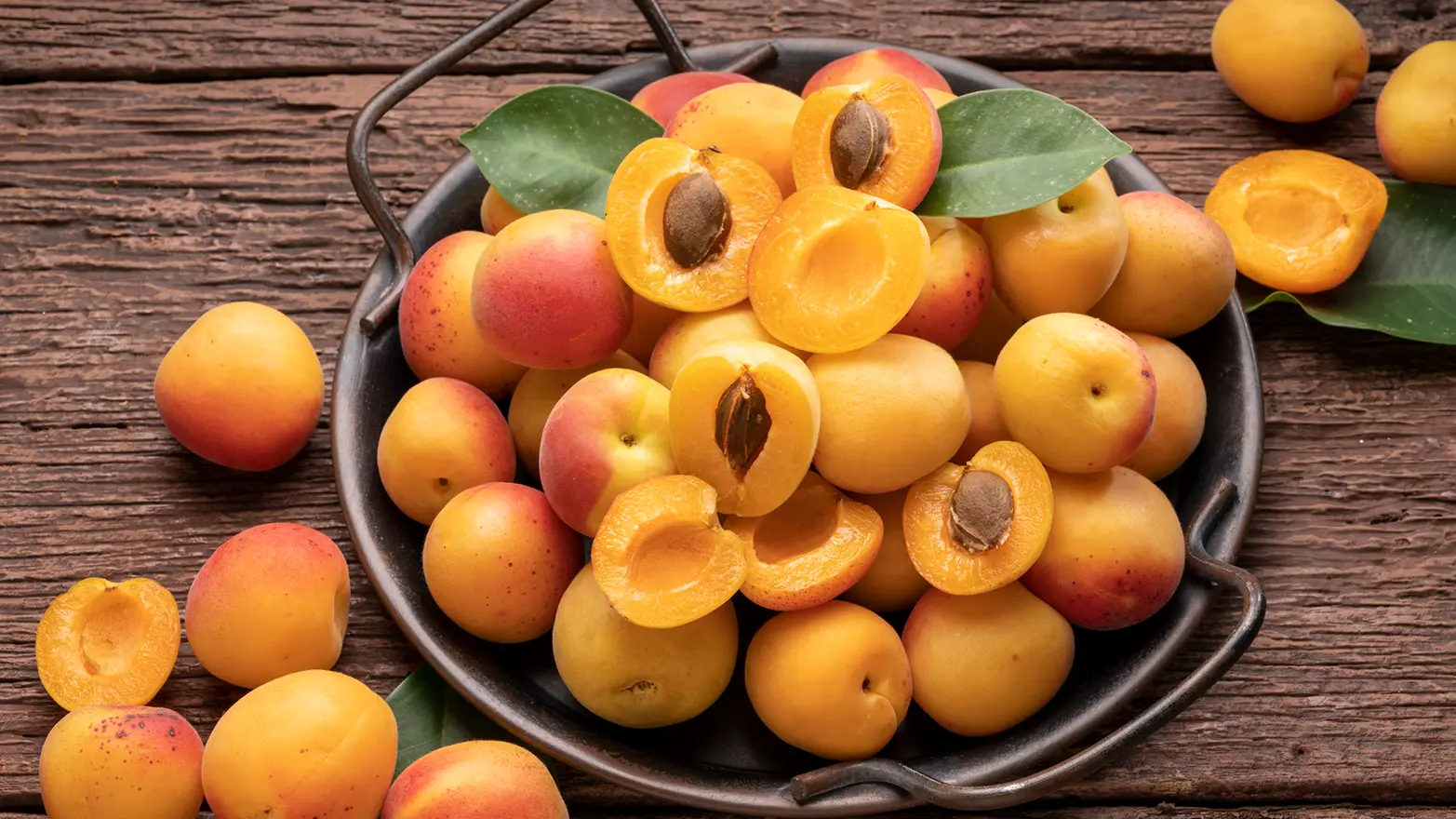
Apricot season is brief, which is reason enough to buy them when you see them in June. A ripe apricot should be velvety to the touch with orange-gold skin that gives slightly when pressed. Fragrance matters more here than with almost any other June produce. If it does not smell floral and sweet, it is not ready.
They are great eaten fresh, but apricots also pair well with savory ingredients. Try them sliced alongside goat cheese, honey and prosciutto on a cheese board. The sweet, salty, creamy combination is one of the better uses for this fruit during its short season.
Try it in a recipe: Apricot Jam
6. Raspberries
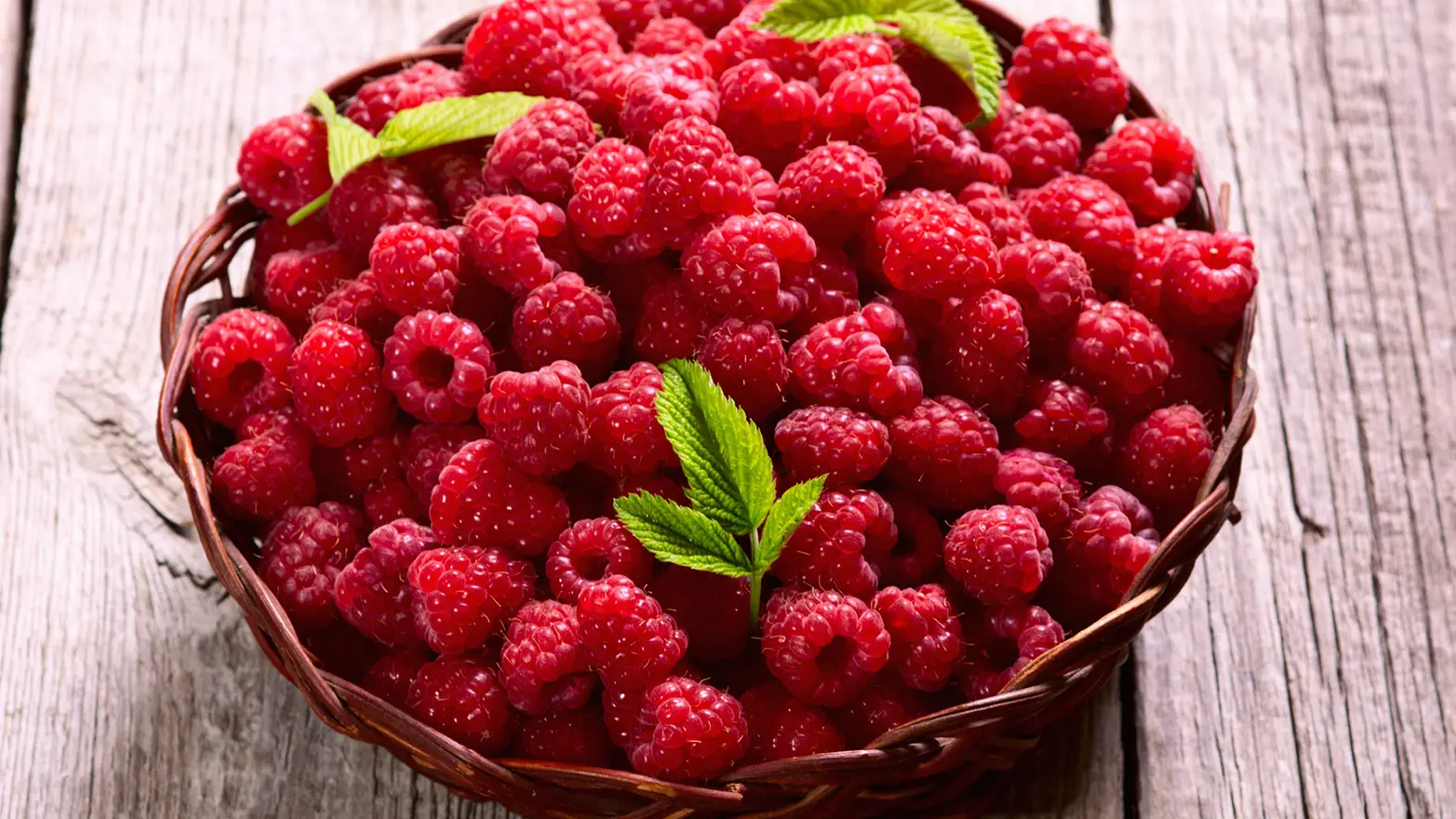
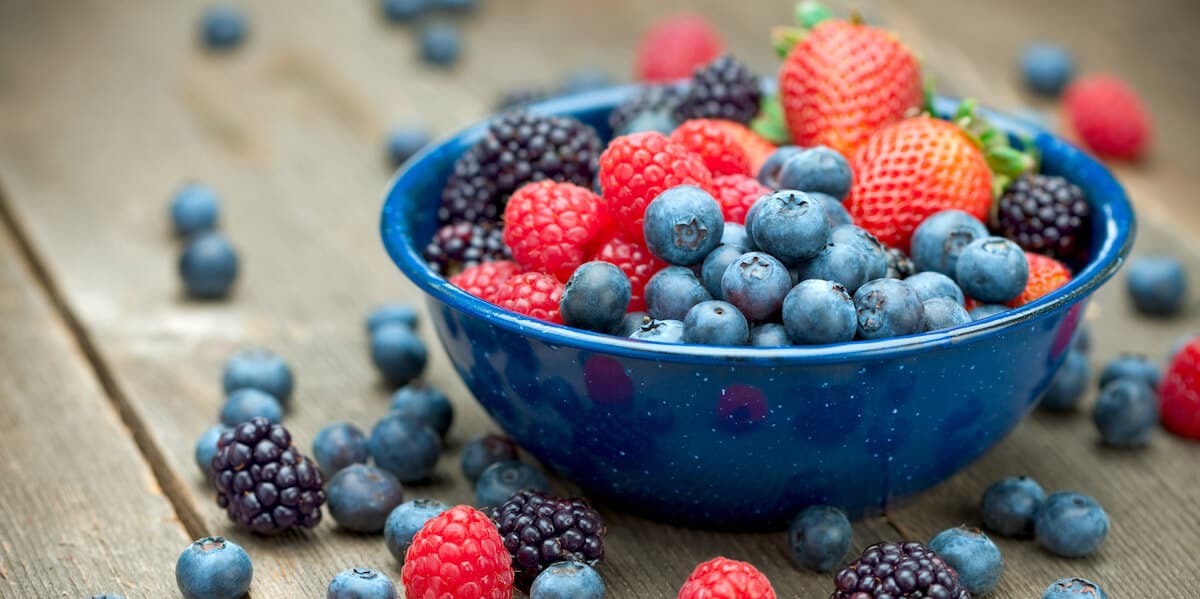
Raspberries have a very short shelf life, which is the trade-off for their flavor. Peak-season raspberries are bright, tart and aromatic in a way that packaged off-season berries simply cannot match. Plan to use them within a day or two of purchase.
Keep them unwashed in their original container with a paper towel underneath to absorb moisture. Do not pile them in a deep bowl since the berries on top will crush the ones below, and any trapped moisture speeds up mold. Rinse gently right before eating.
Try it in a recipe: Sparkling Raspberry Limeade
7. Nectarines
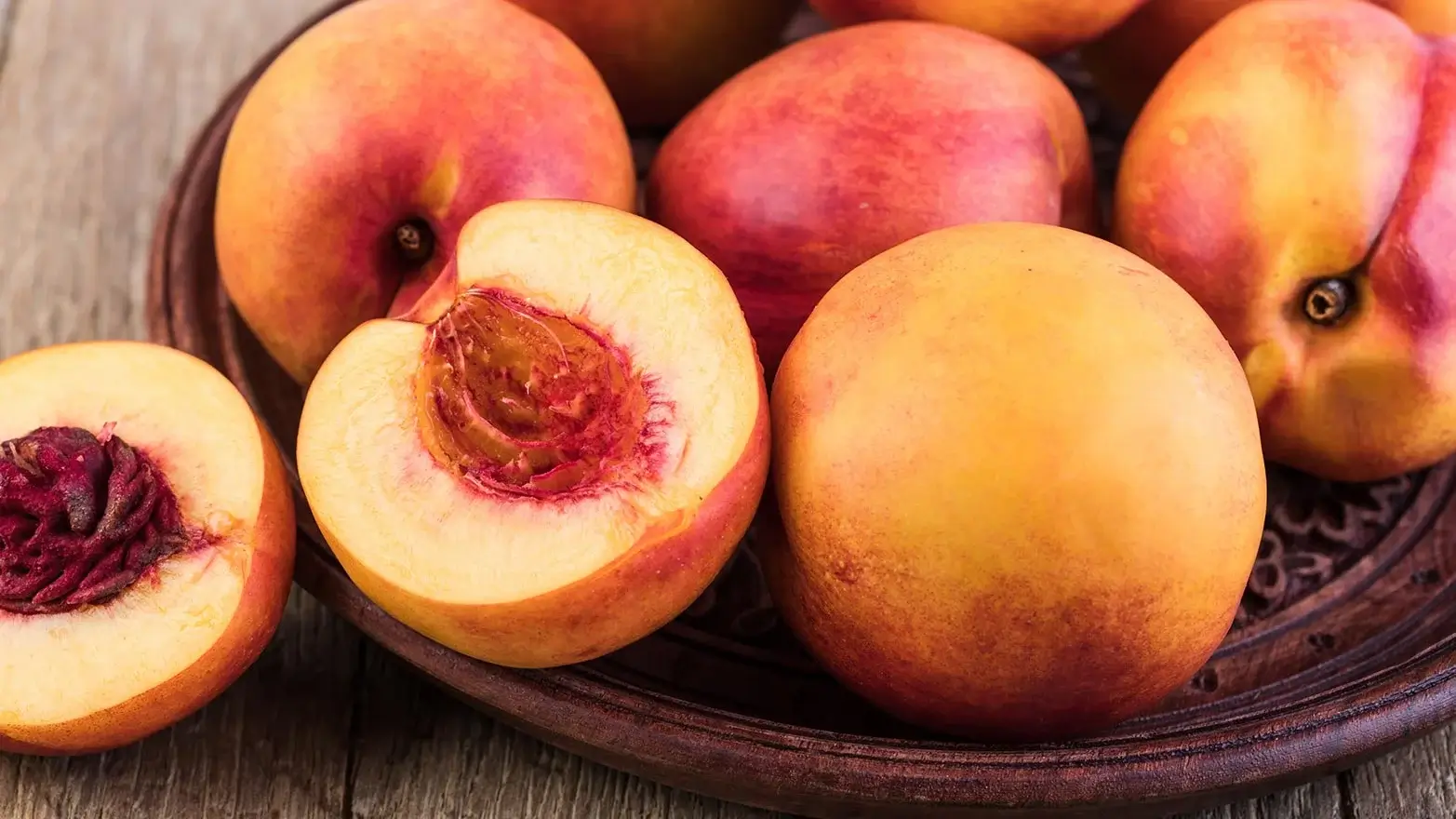
Nectarines belong to the same family as peaches but have smooth, fuzz-free skin and a slightly more acidic, zesty flavor. That tartness gives them a brightness that works well in savory dishes where peaches might be too sweet.
Check ripeness by pressing gently near the stem end. It should give a little without feeling mushy. Look for a deep background color with no green patches. Diced nectarines make a great fresh salsa with red onion, jalapeño and cilantro served over grilled fish. They also work well sliced into a white wine sangria for a refreshing summer cocktail option.
8. Blackberries
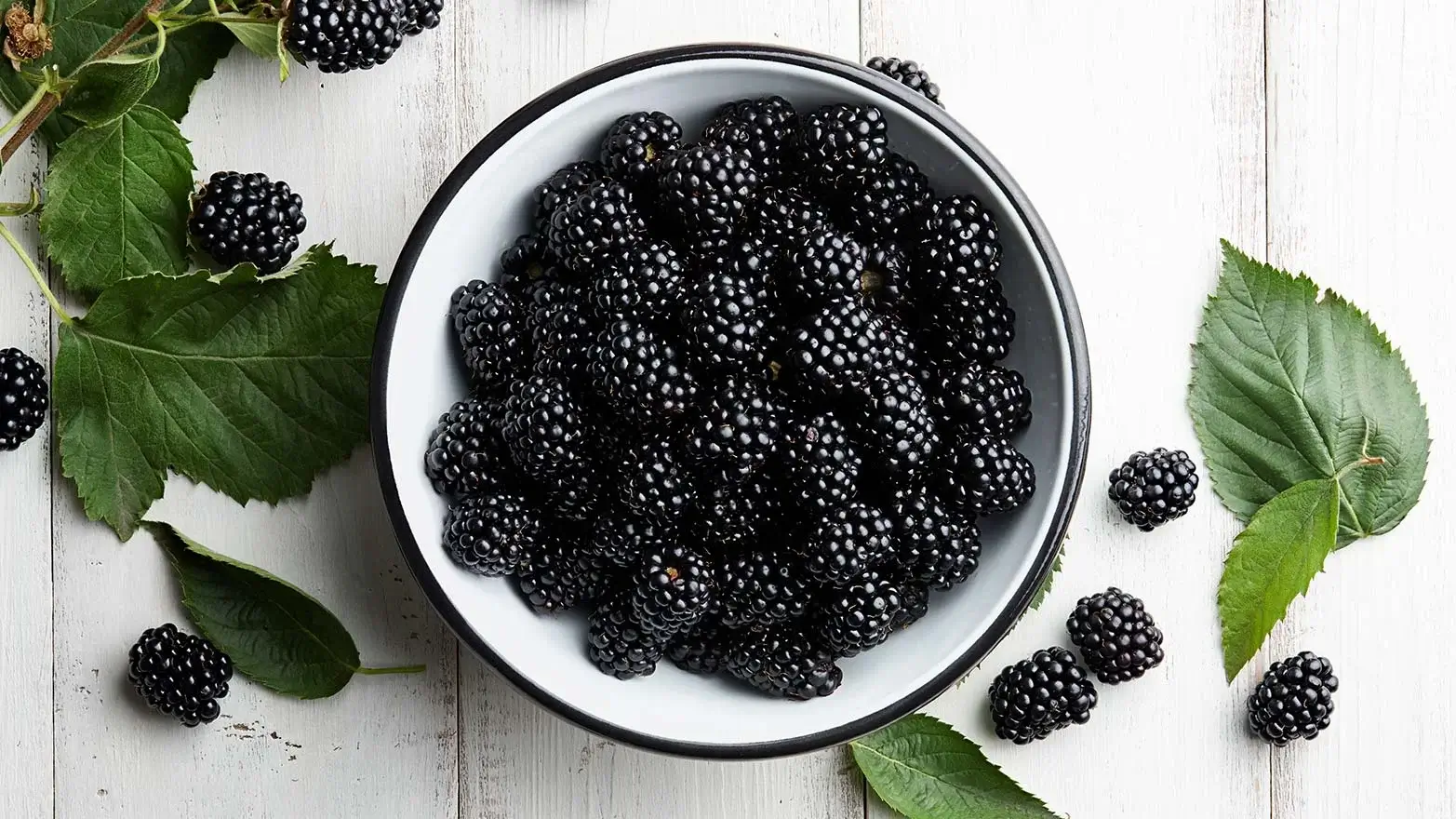
Blackberries have a deeper, more complex flavor than raspberries. They are earthy and slightly tannic with a sweetness that builds as you eat them, and unlike raspberries they hold up well in baked goods and jams.
Handle them the same way you would raspberries. Only wash them right before eating, store them in a single layer in the fridge, and do not pack them tightly. They pair well with vanilla, lemon and balsamic vinegar.
Try it in a recipe: Homemade Blackberry Jam Recipe with Vanilla
9. Plums
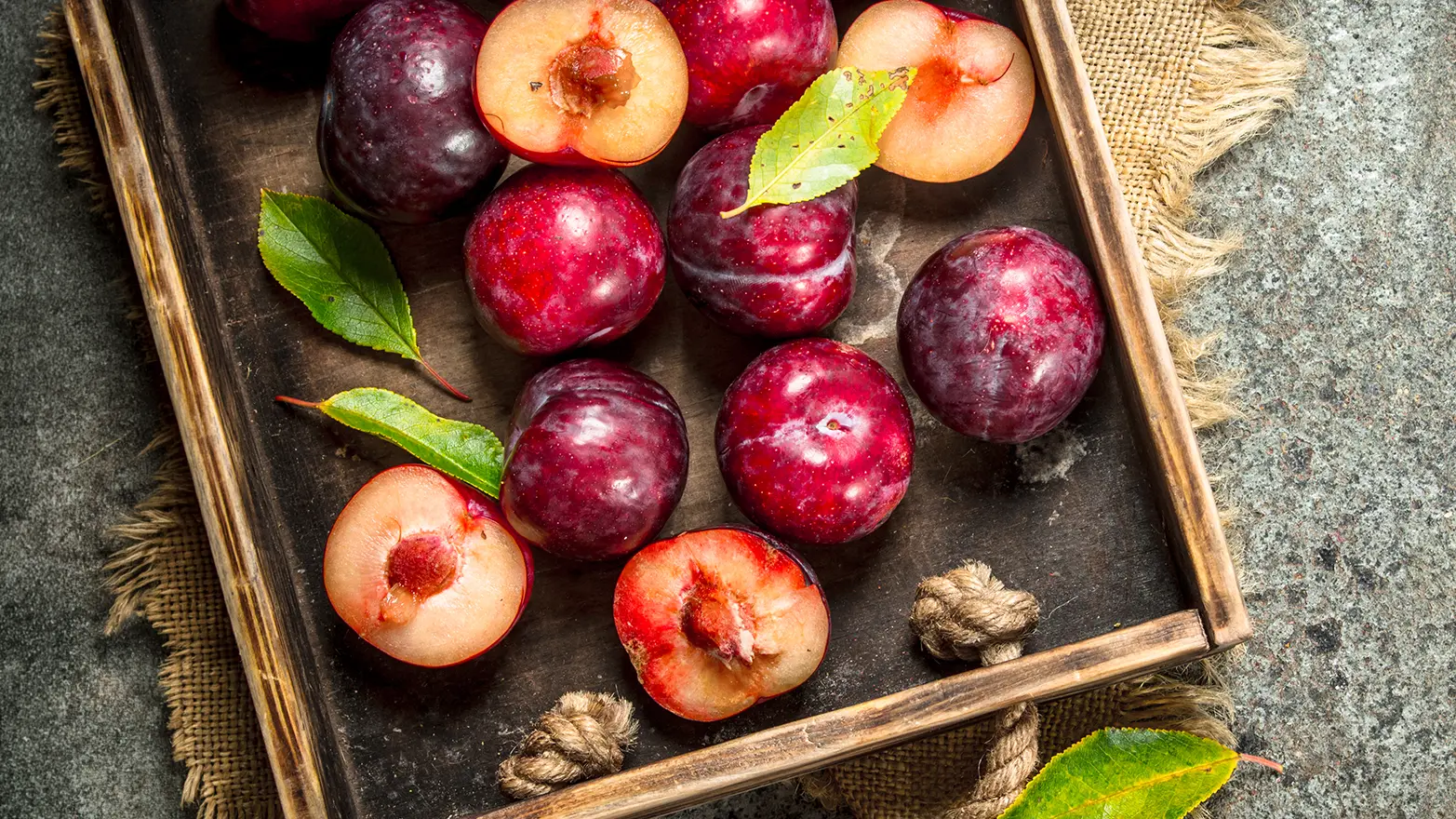
Santa Rosa plums are one of the first varieties to arrive in June. They have reddish-purple skin, golden flesh and a sweet-tart flavor that works well fresh or cooked. They are the kind of fruit that tastes best eaten simply, straight from the bag.
Pick plums that feel heavy for their size with a slight give at the tip. If they are firm, leave them out at room temperature for a day or two. Plums work well in both sweet and savory cooking, from a rustic galette to a plum sauce for grilled pork.
Try it in a recipe: Sweet and Savory Plum Sauce
10. Mangoes
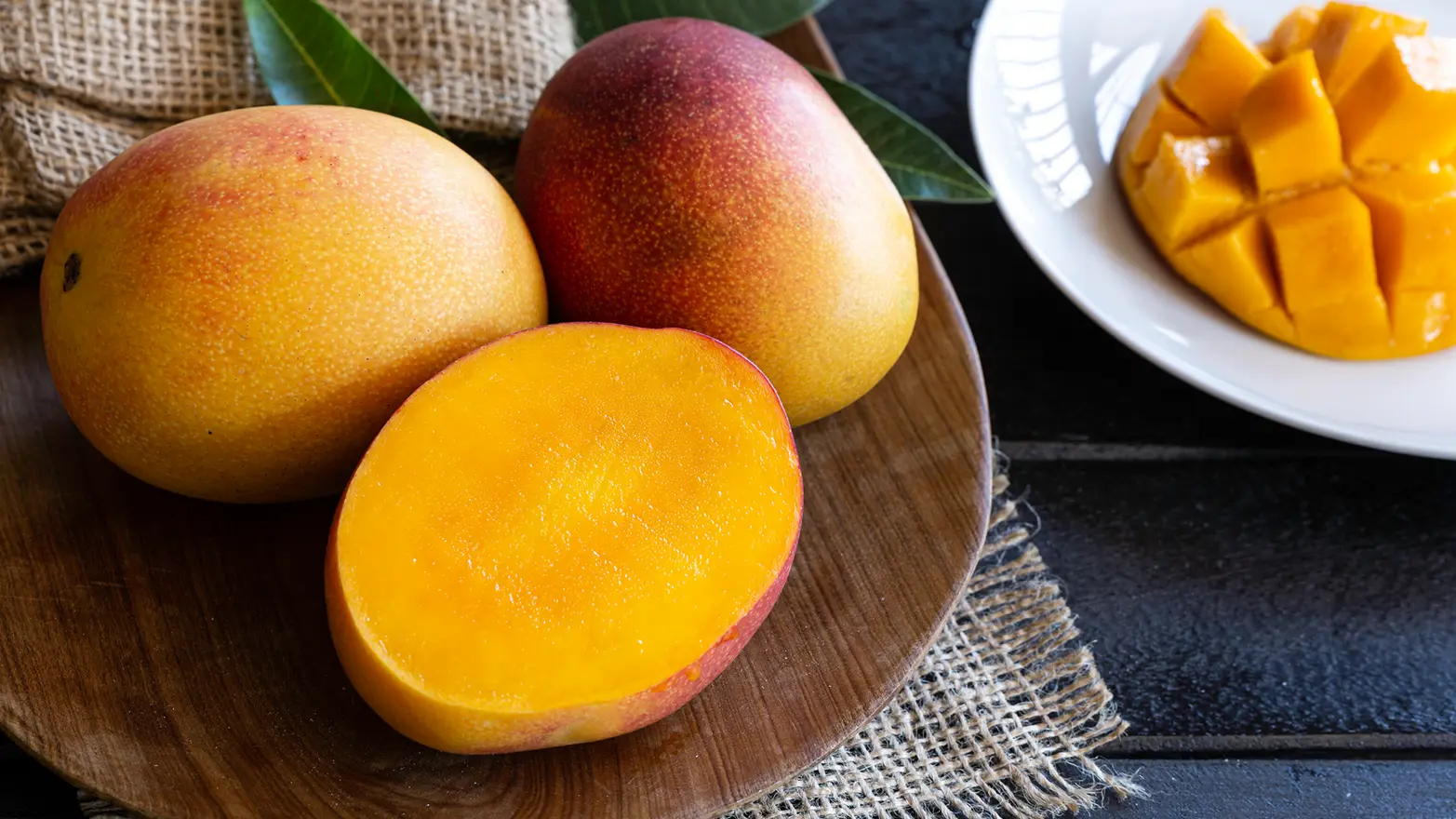
Mangoes are tropical, but June is when two of the most popular varieties peak in the U.S. The Ataulfo, sometimes called a Champagne mango, is smaller and kidney-shaped with creamy, fiberless flesh and a rich, buttery sweetness. The Tommy Atkins is larger with a milder flavor. Both are worth buying in early summer.
Color is not a reliable ripeness indicator with mangoes. A ripe mango gives slightly when pressed, similar to an avocado. Leave firm mangoes on the counter for a few days, then refrigerate once they are ready. They are great in salsas, smoothie recipes and grain bowls, or just sliced with lime juice and a little chili salt.
Try it in a recipe: Mango Salsa
11. Grapes
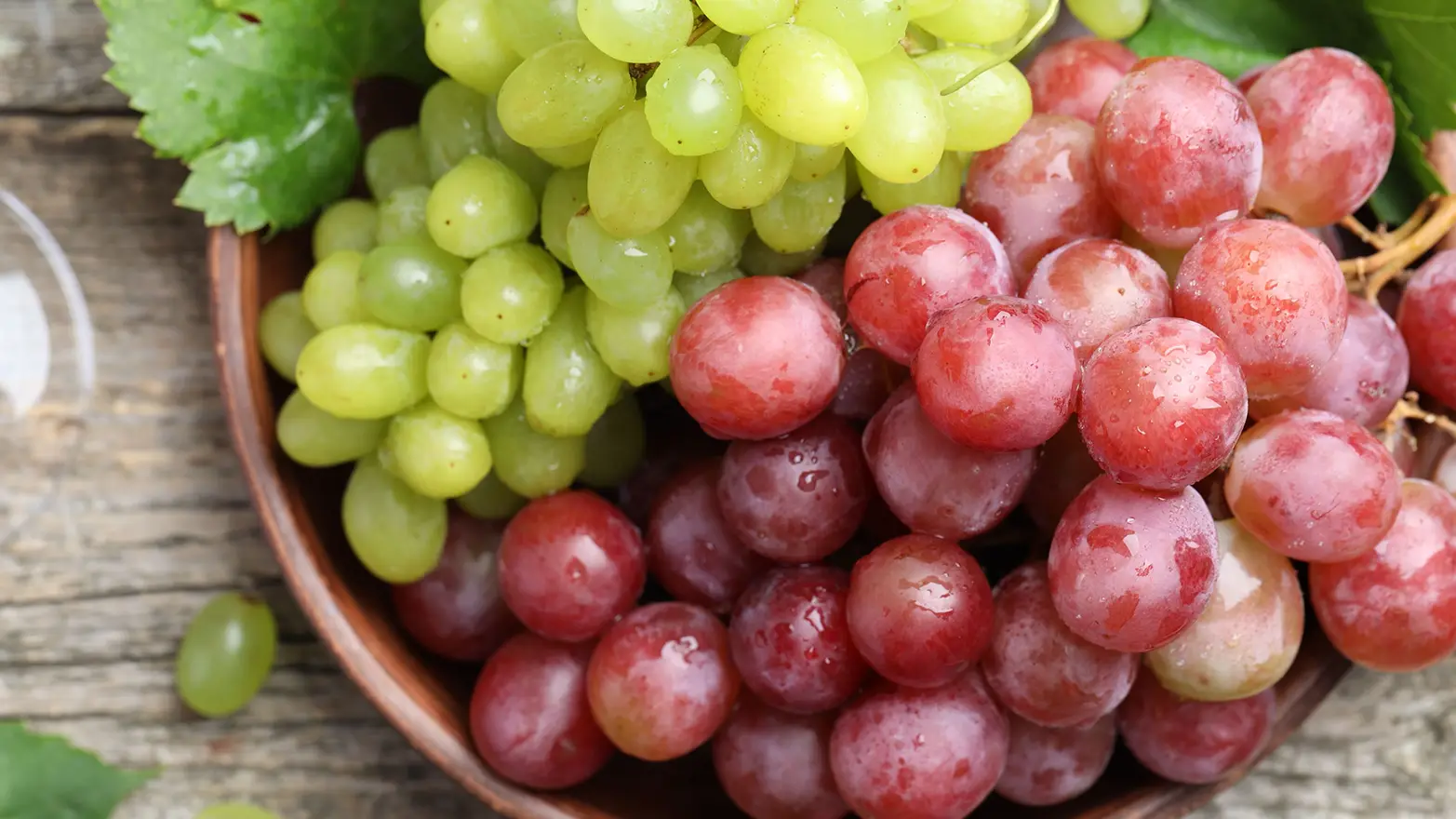
Many table grape varieties begin their peak harvest in early summer. June grapes tend to be crisper and sweeter than what you find in the off-season, with a more concentrated flavor and a satisfying snap when you bite into them.
They are more versatile than most people use them. Freeze individual grapes on a sheet pan for a simple, refreshing snack on a hot day. Halved grapes add sweetness to chicken or tuna salad and work well on a cheese board alongside something sharp like aged cheddar or manchego.
Try it in a recipe: Refreshing Grape Salad with Walnuts
12. Figs
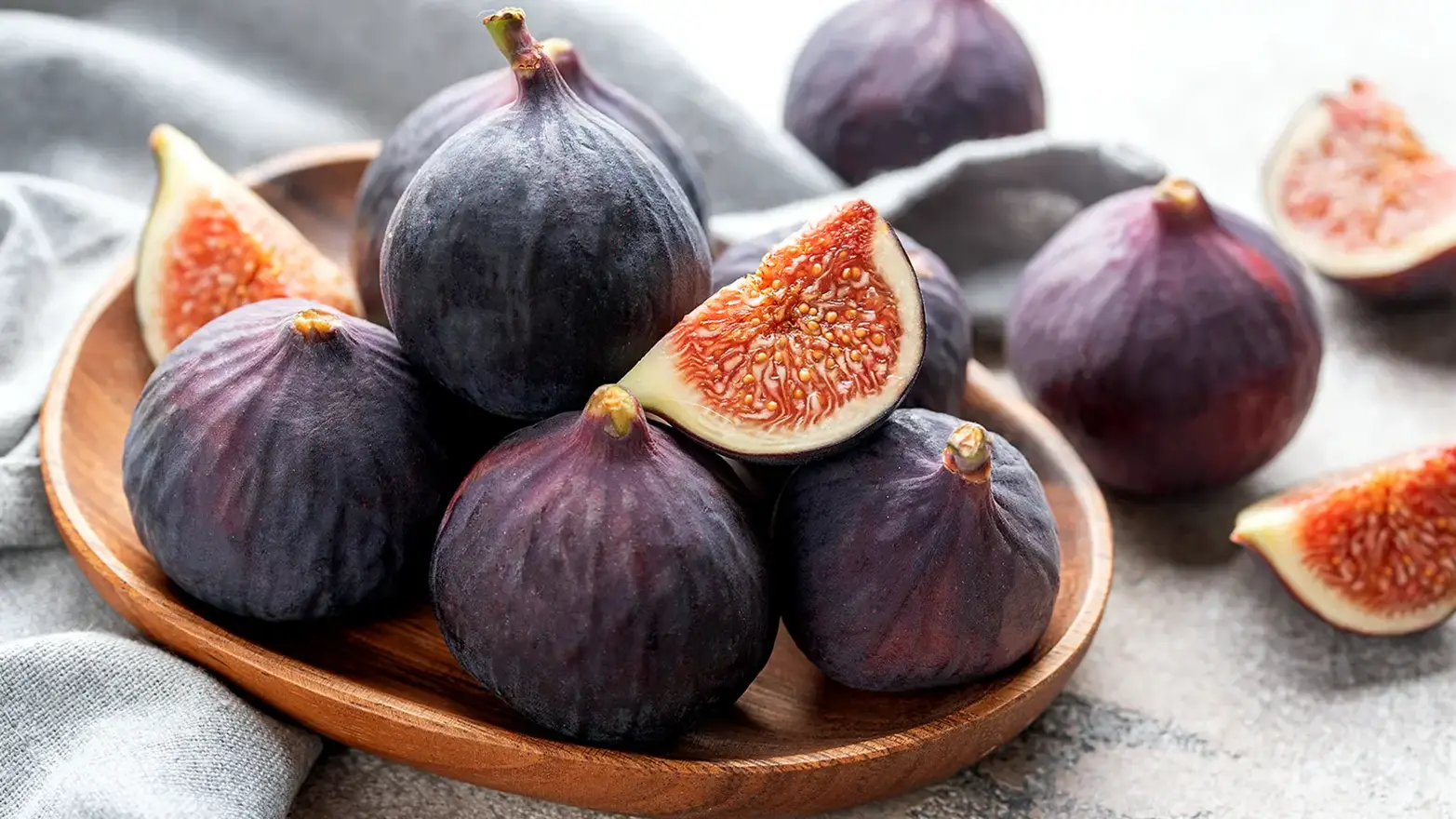
Most people associate figs with late summer or fall, but there is a first crop in June called the Breba harvest. These early figs are smaller than the fall variety but just as sweet, and the season is short.
A ripe fig should feel soft and tender. Slight splitting at the base is a sign of peak ripeness, not spoilage. Figs stop ripening after they are picked, so refrigerate them immediately and plan to use them within a day or two. Serve them with ricotta on toast, roast with balsamic or use in a simple tart.
Try it in a recipe: Fig Bars with a Touch of Honey
June fruit FAQ
Find answers to common questions about June fruits in season and how to shop for them below.
What is the main difference between a peach and a nectarine?
The main difference between a peach and nectarine is just one gene. That single genetic difference determines whether the skin is fuzzy like a peach or smooth like a nectarine. Nectarines also tend to be slightly smaller and firmer with a more tart flavor, but they are the same species and can be swapped in most recipes.
Why are berry prices higher at the very beginning of June?
Berry prices are higher in early June because supply is limited at the start of the season. Farmers are picking the first wave of fruit before the full harvest is underway. As production increases through the month, prices usually drop. If you can wait a couple of weeks into June, you will often get the same quality June produce at a better price.
Should I prioritize buying organic for June strawberries?
Both conventional and organic strawberries are widely available on Instacart. If organic is a priority for your household, June is a great time to buy since peak-season organic strawberries are easier to find and often more affordably priced. You can filter by organic in the Instacart app when browsing produce.
Order fresh June fruit from Instacart
June is a great time to eat seasonally, with everything from sweet berries to early stone fruits starting to come into peak. The selection doesn’t last forever, so it’s a good moment to stock up on June fruits or try something new like fresh figs or Santa Rosa plums. (Looking for what’s in season beyond fruit? Check out our guide to summer vegetables.)
If you’re ready to enjoy these seasonal flavors, you can order your favorite June fruits from Instacart and get them delivered right to your door!