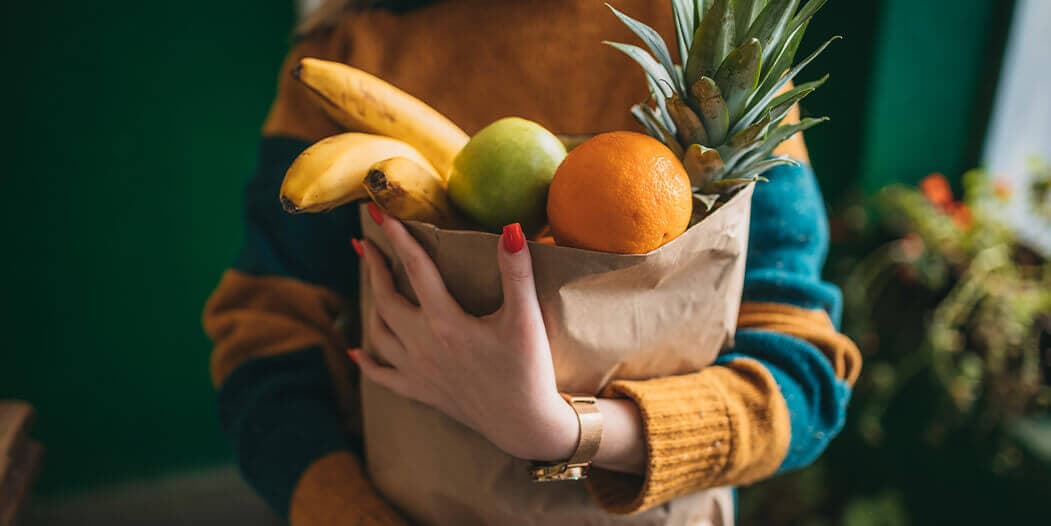
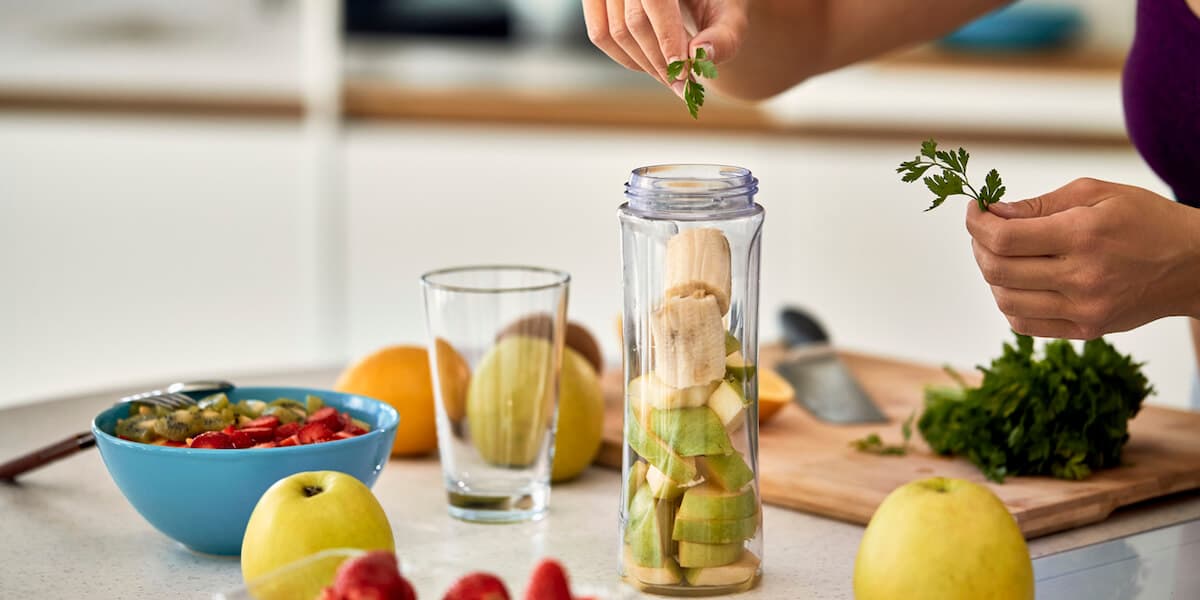
You're juggling classes, a social life and maybe a part-time job — who has time to figure out what's for dinner? Whether you're living in a tiny dorm room, sharing a house with roommates or commuting from home, having an easy food plan makes a real difference.
Most college students can cover the essentials for around $60–$80 per week by sticking to versatile, budget-friendly staples that work across multiple meals.
To help you out, we’ve rounded up some essential grocery items for college students. Consider this your guide to saving money, eating well and powering through the semester.
College student grocery list overview
To make your shopping trip as quick and easy as possible, we've organized our grocery list for college students into clear categories. These can be mixed and matched into different meals throughout the week.
Category | Item |
Deli meats, eggs, canned tuna, peanut butter, chicken thighs, tofu, cottage cheese | |
Brown rice, pasta, oats, whole grain wheat bread, tortillas, crackers | |
Bananas, apples, spinach, carrots, bell peppers, broccoli, onions, garlic, sweet potatoes, cherry tomatoes | |
Frozen juice, frozen breakfast foods, frozen vegetables, frozen fruit, microwave meals | |
Cheese, yogurt, cream cheese, milk | |
Snack crackers, nut butter, single-serve snack mixes, instant noodles, instant mashed potatoes, soups, canned fruits, granola bars, instant rice, popcorn, trail mix | |
Premade smoothies, water, energy drinks, instant coffee, soda, protein shakes, hot chocolate |
Protein
Protein keeps you full through long lectures and powers you through late-night study sessions. The good news: you don't need expensive cuts of meat to hit your daily needs. Affordable, shelf-stable options like canned beans and tuna do the job just as well.
Deli meats
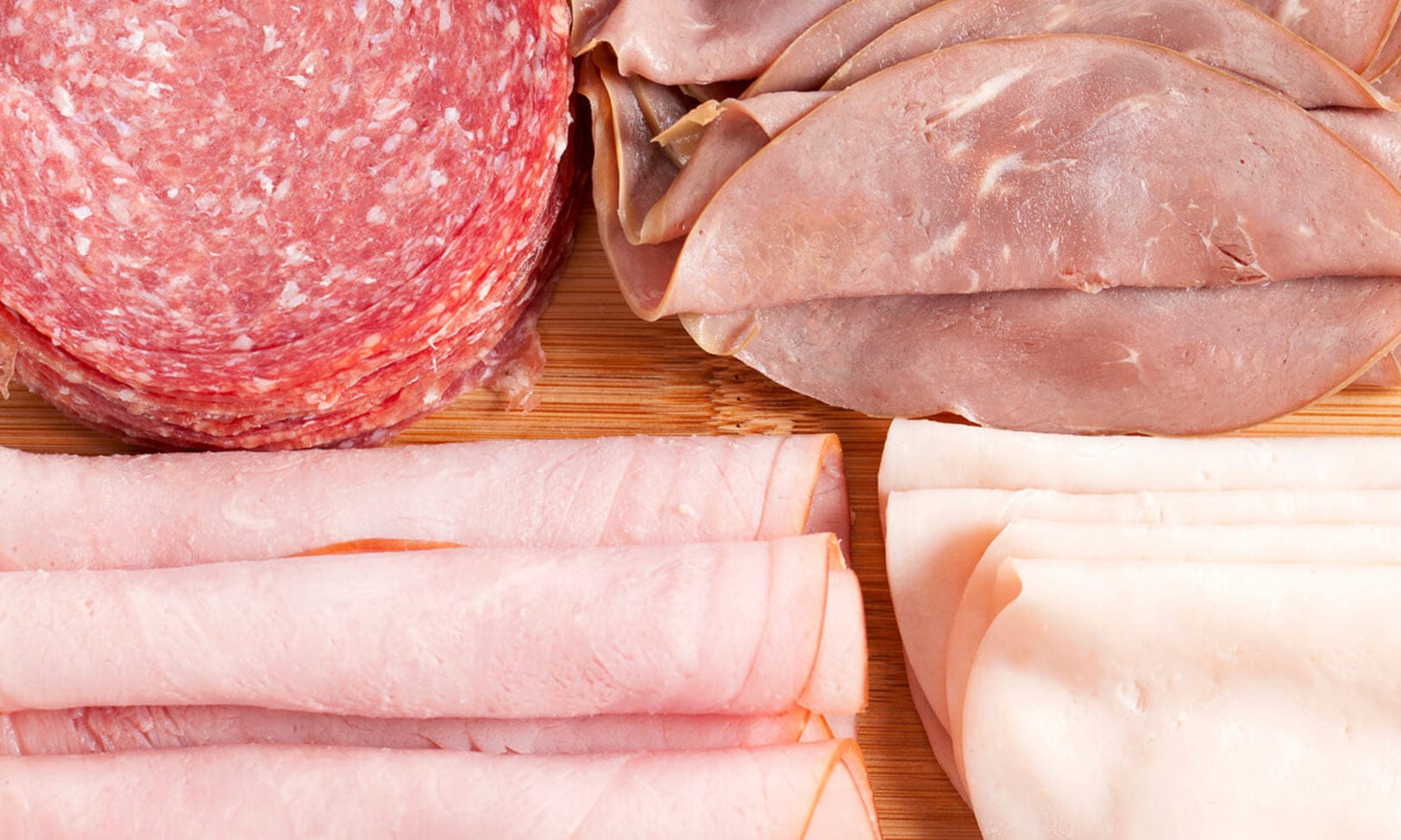
Sliced deli meats are an easy way to add protein to your meal. Layer them on sandwiches, roll them up for a simple snack or eat them alongside cheese and crackers.
Eggs
The most versatile item on this entire list. Scrambled, fried, boiled or cracked into a bowl of instant noodles for extra protein — eggs do everything and cost almost nothing per serving.
Canned tuna
Shelf-stable, high in protein and ready to eat straight from the can. Mix it with hot sauce and crackers for a quick snack, or stir it into pasta for a fast weeknight dinner.
Peanut butter
Peanut butter is a dorm room staple with a long shelf life. Spread it on toast, mix it into oatmeal or eat it straight off a spoon for a quick energy boost between classes.
Chicken thighs
If you have access to a full kitchen, chicken thighs are the most forgiving cut to cook — they stay moist even if you overcook them, and they cost less per pound than chicken breasts. Batch cook a few at the start of the week and use them across multiple meals.
Tofu
Tofu is extremely affordable, long-lasting in the fridge, and it absorbs whatever sauce you cook it in. Cube it and stir-fry it with soy sauce and frozen vegetables for a fast, filling meal.
Cottage cheese
High in protein and versatile enough to work as a snack, a breakfast base or a topping for toast. Pairs well with fruit or hot sauce, depending on your mood.
Grains & bread
Grains are the foundation of a budget college kitchen — they're cheap, filling and last for months on the shelf. Stock a few different options so you have a base for any meal, any night of the week.
Brown rice
The ultimate base for everything from burrito bowls to stir-fries. Buy a larger bag to save per unit and cook a big batch at the start of the week.
Pasta
Pasta noodles are perfect for a quick, hearty meal. Given their long shelf life, it's smart to stock up on a few different shapes and types, so you have a fast dinner option ready anytime.
Oats
Essential for quick breakfasts. Make hot oatmeal in minutes, or prep overnight oats the night before to grab on the way to an early class.
Whole-grain wheat bread
Whole-grain wheat bread is a versatile staple that works for sandwiches, toast and quick snacks. Buy the size that matches how fast you'll eat it — bread goes stale quickly in a warm dorm room.
Tortillas
Tortillas last longer in the fridge than bread and hold more: wraps, quesadillas, tacos, breakfast burritos. Buy a large pack and keep them refrigerated.
Crackers
Great for pairing with peanut butter, hummus, cheese or deli meat. Buy a large box and portion it yourself into smaller bags to save money and control portions.
Fresh produce
Fresh produce is where many college students either overspend or overbuy, and end up throwing things away. The key is sticking to produce that lasts at least a week and works across multiple meals.
Bananas and apples
The most portable, affordable fresh fruit options available. Both last several days on your counter with no prep required. Throw one in your bag, and you have a snack for anywhere.
Spinach
Toss it into hot pasta or scrambled eggs at the end of cooking. Spinach wilts in seconds and adds color and texture without altering the dish's flavor.
Carrots
Long shelf life, satisfying crunch and easy pairing with hummus. Baby carrots require zero prep and keep well in the fridge for weeks.
Bell peppers
Add color and crunch to stir-fries, scrambled eggs, quesadillas and pasta dishes. Buy whatever color is on sale.
Broccoli
A reliable, filling vegetable that works roasted, steamed or stir-fried. If fresh broccoli is expensive or you're worried it will go bad, swap in frozen — it's just as nutritious.
Onions and garlic
They keep for weeks at room temperature and form the flavor base of almost any savory meal you cook. Buy these once and they'll last the entire month.
Sweet potatoes
An affordable, nutrient-dense carb that can be microwaved in about five minutes. Top with butter and salt for a super simple side dish.
Cherry tomatoes
Easy to snack on as-is, toss into pasta, add to eggs or layer into a sandwich. Cherry tomatoes tend to last longer than regular tomatoes without refrigeration.
Grab it now on Instacart


Frozen foods
Sometimes it doesn't make sense to cook from scratch. Frozen dinners, burritos and pizzas make it easy to enjoy a satisfying meal with minimal prep. If cooking instructions use a temperature your oven doesn't support, an oven temperature conversion chart can help you get the timing right.
Frozen juice
Buying juice in the supermarket can be pricy, and it has an expiration date. By buying frozen juice concentrate, you not only save time, but you also don’t need to worry about finishing the container before it expires.
Breakfast foods
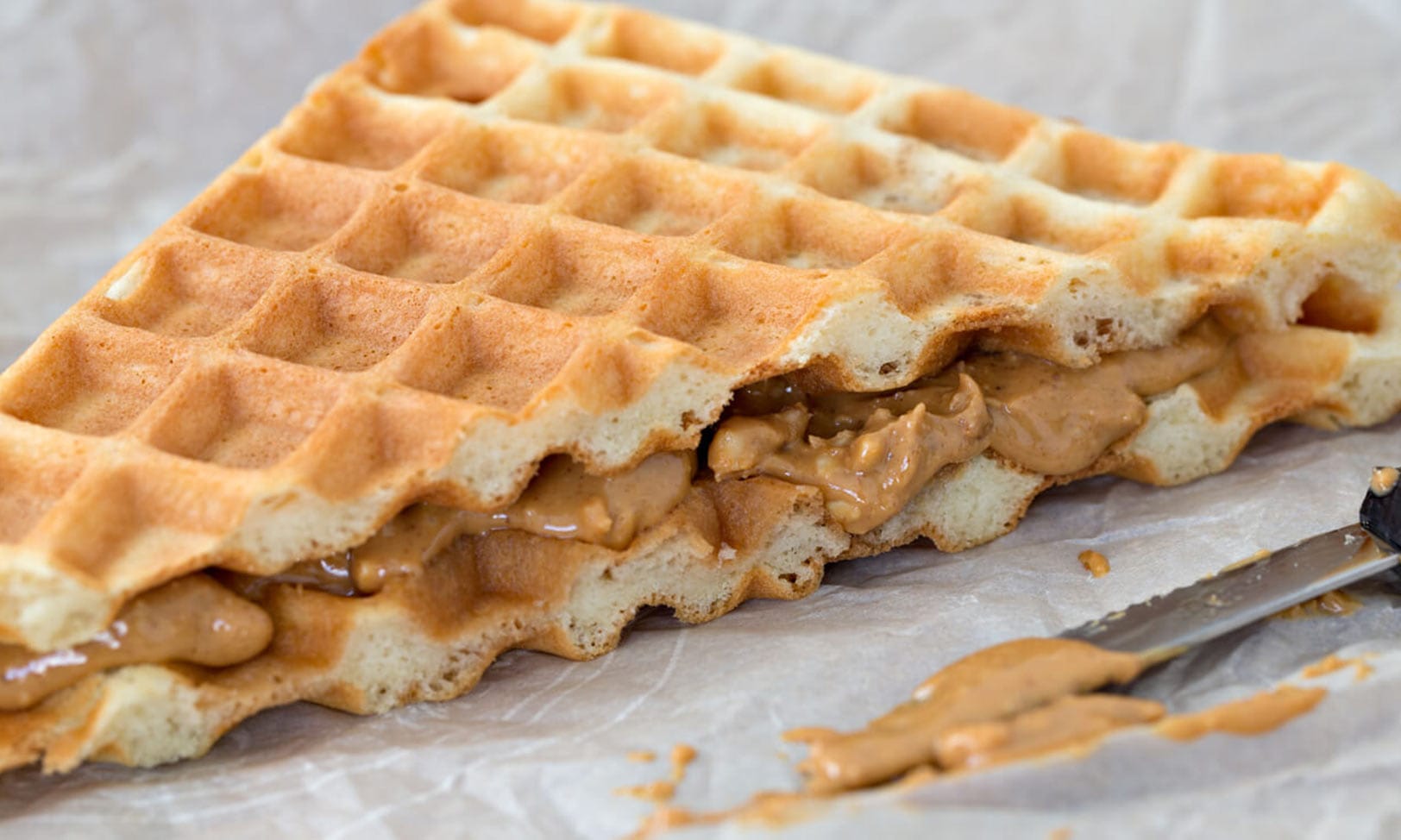
Waffles, pancakes, biscuits, danishes, and other frozen breakfast foods can be made easily in a toaster oven or microwave. Keep a few options on hand so you can skip the cafeteria for breakfast or satisfy those late-night cravings.
Frozen veggies
Stock up on things like broccoli, peas or mixed vegetables to easily add a healthy side to any meal.
Frozen fruit
Perfect for smoothies, frozen fruit is a great way to get your vitamins. You can also enjoy it as a cool, refreshing snack on its own.
Microwave meals
Keep a few on hand for the nights when cooking genuinely isn't happening. They're not an everyday solution, but having two or three in the freezer removes a lot of stress from a busy week.
Dairy
Cheese
Purchase cheese packs for a quick, protein-packed snack. They can also be used to make grilled cheese sandwiches or be rolled up with deli meat.
Yogurt
Stock your fridge with a variety of yogurt containers for a grab-and-go snack. For a more filling meal, top it with granola, fruit or honey.
Cream cheese
A dorm room classic, bagels are a versatile base for everything from a simple schmear of cream cheese to a hearty sandwich with deli meat.
Snacks
Power through your homework assignments and satisfy cravings between classes with these easy, budget-friendly snacks and food for college students.
Snack crackers
From classic saltines to whole-wheat varieties, snack crackers are essential in a dorm room. Buy a large box and portion it into smaller bags yourself to save money.
Nut butter
A jar of peanut, almond or cashew butter is another dorm room staple due to its long shelf life. It’s an easy source of protein for quick snacks — spread it on rice cakes, make a classic PB&J or simply grab a spoonful for an energy boost.
Single-serve snack mixes
For a convenient grab-and-go option, stock up on single-serve bags of chips, cookies or other snack mixes. These are perfect for tossing into your backpack and for portion control.
Instant noodles
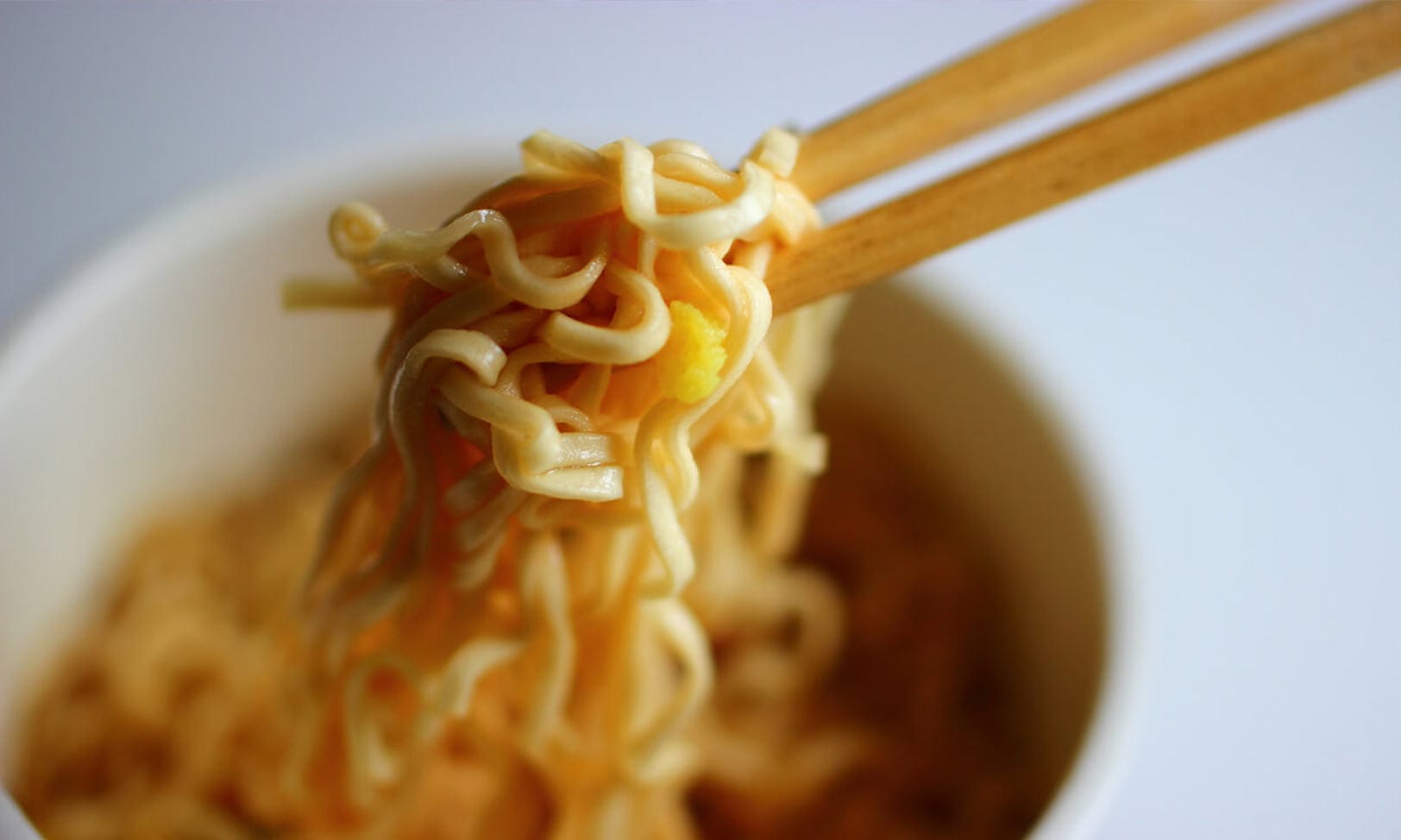
Instant noodles are inexpensive and simple to make. Dress them up with veggies and meat for a more satisfying meal.
Instant mashed potatoes
When you miss your parents’ cooking but don’t have your own kitchen, instant mashed potatoes are the next best thing. They come in a variety of flavors and usually only need hot water to make.
Soups
Soups are convenient and delicious, whether they're from a can or in instant form.
Canned fruits
Fruits in jars and cans make nutritious snacks or desserts. Put canned fruit in smoothies, in your instant oatmeal, on ice cream, or eat it as-is.
Granola bars
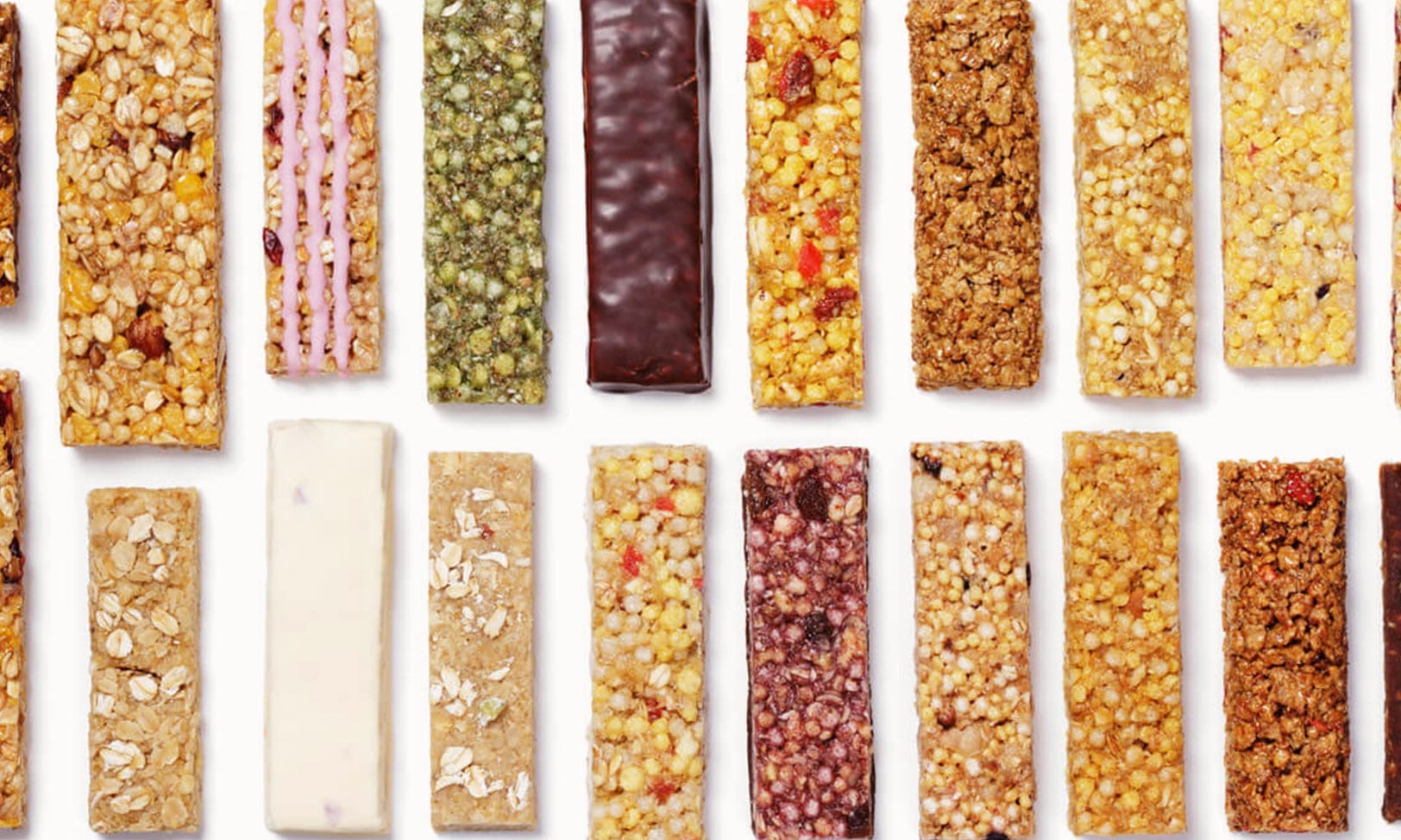
These are great energy boosters and can be taken anywhere. Buy a large variety pack of granola bars and toss some in your backpack. Or keep some in your car for those unexpected hunger pangs.
Instant rice
For a quick and easy meal sidekick, instant rice has got your back. Stir-fry it with eggs or eat it by itself.
Popcorn
Perfect for movie and board game nights, popcorn cooks up in just minutes and makes for a great late-night snack.
Trail mix
A completely customizable snack that gives an energy boost, trail mix is great to have in the fridge. Mix your favorite nuts, dried fruits, seeds and sweet treats, then bag them into healthy portion sizes.
Beverages
Stay hydrated and energized. Keep these essential drinks stocked up to power you through late-night study sessions and early-morning classes:
Premade smoothies

Grab-and-go smoothies are perfect for a busy day or when you don’t have room for a blender.
Water
Pure water is a must-have, hands down. Mix things up with some flavored water or pick up some water enhancers for bottled water.
Energy drinks
Give your body an instant boost with energy drinks. You can also keep some energy drink powder packets in your bag and add them to water when you're out and about.
Instant coffee
A staple for night owls, instant coffee is not just a hot drink; it’s fuel. In dorms without a coffee machine, the powdered variety is the next best thing.
Soda
For those late nights writing papers or prepping for exams, carbonated caffeine is a must. Stretch your student budget by buying bulk packs of soda to get the same great taste at a lower price.
Protein shakes

Protein shakes are a delicious way to get the energy you need to get through the day. You can also use part of a protein shake as creamer in your coffee. This not only ups the nutrition but also adds a creamy flavor of your choice.
Hot chocolate
This nostalgic winter drink is available in convenient packages and tastes good year-round. And if you do have a blender, use it to make frozen hot chocolate! Not a fan of instant mixes? Buy ingredients for a DIY cocoa mix and store them in an airtight container.
Example meal plan
Stocking your fridge is only half the battle — knowing what to actually make is the other. Here's a three-day meal plan built with the best foods for college students:
Day 1
Breakfast: Oatmeal topped with canned fruit and a drizzle of honey, with instant coffee on the side
Lunch: Deli meat and cream cheese wrap in a tortilla with spinach and cherry tomatoes.
Dinner: Pasta with jarred marinara sauce and a side of frozen vegetables, topped with shredded cheese.
Snack: Peanut butter on crackers and a handful of trail mix.
Day 2
Breakfast: Scrambled eggs on whole-grain toast with a banana on the side.
Lunch: Canned tuna mixed with hot sauce, served on crackers with baby carrots and hummus.
Dinner: Stir-fried tofu with frozen mixed vegetables over brown rice, seasoned with soy sauce and garlic powder.
Snack: Yogurt topped with granola and a premade smoothie.
Day 3
Breakfast: Overnight oats prepped the night before with frozen fruit and honey, grabbed on the way to class.
Lunch: Chicken thigh from a Sunday batch cook, sliced over rice and topped with bell peppers and taco seasoning.
Dinner: Instant noodles dressed up with a soft-boiled egg, frozen broccoli and soy sauce.
Snack: Cottage cheese with cherry tomatoes and a protein shake.
Why do you need a college grocery list?
A well-planned college grocery list is a great way to save time and money. It turns chaotic shopping trips into a streamlined mission, so you can stick to a budget and avoid impulse buys and unhealthy takeout.
With a good college grocery shopping grocery list, you’ll buy only what you need, reducing food waste and ensuring you have the right ingredients for healthy meals. This simplifies shopping and makes it easier to cook on your own.
College student grocery shopping hacks to keep costs low
Being on a budget doesn't mean sacrificing great food, especially when you need quick lunch ideas for work or a busy day of classes. These shopping hacks will help you keep your grocery spending in check, so you can eat well without worrying about your bank account.
Plan your meals: Before you even leave for the store, think about what you want to cook for the week. Using a serving size calculator can help you buy just the right amount and reduce food waste.
Create a detailed grocery list to prevent impulse buys: You might also consider planning several meals with overlapping ingredients to avoid waste.
Buy store brands instead of name brands: Many store-brand products are made in the same factories as their expensive counterparts. Opting for store-brand versions of your favorite foods can help you save money on groceries.
Shop sales and use coupons: Check for weekly sales in a store's flyer or app before you shop. Look for digital coupons on Instacart to save on items you were already planning to buy.
Purchase non-perishables in bulk: Items like rice, pasta, oats, and canned goods cost less per unit when bought in larger quantities. These pantry staples also last forever, saving you money in the long run.
Avoid shopping when hungry: This is a timeless tip for a reason. Shopping on an empty stomach makes you more likely to grab snacks and other treats that aren't on your list, driving up your total bill.
Choose frozen or canned produce when fresh is expensive: Don't hesitate to use them. These alternatives are often cheaper, are just as nutritious and have a much longer shelf life, helping to reduce food waste.
Get your college food essentials delivered to your door
If you're exhausted and the last thing you want to do is go to the store, we've got you covered. An Instacart shopper can deliver groceries to your dorm or apartment, allowing you to focus on what really matters: studying and eating. Place your Instacart order today.