The produce aisle is packed with vegetables worth getting to know. Some are familiar favorites, and others may be totally new to you.
Whether you’re shopping for your usual produce or looking to get adventurous with a new recipe, learning a little more about each vegetable can make choosing and cooking them feel easier.
This A-Z guide covers 50+ vegetables, with helpful details on flavor, varieties, seasonality and ways to use them in the kitchen.
List of vegetables by type
Leafy greens & cruciferous | Arugula, bok choy, broccoli, broccolini, Brussels sprouts, cabbage, cauliflower, collard greens, dandelion greens, kale, napa cabbage, romanesco, romaine lettuce, spinach, Swiss chard, watercress |
Roots & tubers | Beetroot, carrot, cassava, jícama, parsnip, potato, radish, sweet potato, taro, turnip |
Fruits & squash | Avocado, bell pepper, bitter melon, cucumber, eggplant, jalapeño pepper, poblano pepper, pumpkin, squash, tomatillo, tomato, zucchini |
Stalks & stems | Asparagus, celery, kohlrabi |
Bulbs & alliums | Florence fennel, garlic, leeks, onion, scallions, shallots |
Legumes & pods | Edamame, green beans, snap peas |
Other vegetables | Artichoke, corn, mushrooms, okra |
1. Artichoke
Type of vegetable: Flower bud
Species: Cynara cardunculus var. scolymus
Seasonality: Spring and fall
Artichokes are the immature flower buds of a thistle plant, with layers of edible leaves surrounding a tender heart. Globe artichokes are the most common type, but there are also baby artichokes that have a more tender interior and can often be eaten nearly whole.
Their flavor is mildly nutty and earthy, with a subtle sweetness. Steam, roast or grill whole artichokes and serve them with aioli. Or trim them and add the hearts to a spinach artichoke dip.
2. Arugula
Type of vegetable: Leafy green
Species: Eruca vesicaria
Seasonality: Spring and fall
Arugula, also called rocket, is a peppery leafy green in the mustard family. Its delicate leaves have a sharp, slightly bitter flavor that mellows when cooked. Baby arugula is softer and milder.
Toss it into salads or layer it onto toasted sandwiches. It goes especially well with pesto and a savory meat like skirt steak or prosciutto.
3. Asparagus
Type of vegetable: Stem
Species: Asparagus officinalis
Seasonality: Spring
Asparagus is a perennial plant that we harvest for its young shoots, which emerge in shades of green, purple or white. Green asparagus is the most common variety and is delicious served alongside steak and pork chops. Some people also enjoy green asparagus shoots in a frittata for breakfast.
Purple spears tend to be sweeter, making them a nice pairing with lighter proteins like salmon and prosciutto.
White asparagus is grown underground, giving it a milder flavor and tender texture that lets more delicate meats like veal, lamb, ham and beef shine.
4. Avocado
Type of vegetable: Fruit (used as a vegetable)
Species: Persea americana
Seasonality: Year-round
Avocados are botanically fruits, but most cooks treat them as a vegetable, using them in savory dishes like guacamole and tacos. However, some have begun incorporating the berry into sweet treats in recent years, including in mousse and brownies.
Hass avocados are the most widely available type of avocado. These have pebbled skin and creamy flesh. Try mashing it into a toast spread or cutting it up to add a touch of creaminess to dishes with strong flavors.
5. Beetroot
Type of vegetable: Root
Species: Beta vulgaris
Seasonality: Summer and fall
Beetroot, usually called beets in the U.S., is known for its deep purple-red color and unique ability to stain everything it touches. However, some people enjoy its earthy and metallic taste.
If that doesn’t sound delectable, you can try roasting beets to caramelize their sugars and enjoy a candy-like dish. You can also pickle it for a balanced mix of tang and sweetness.
While less common, there are also golden beets that have a less earthy flavor and Chioggia beets that reveal pink-and-white rings when you slice them.
You can use any variety of beets in dishes like beet salad, borscht, hummus and carpaccio.
6. Bell pepper
Type of vegetable: Fruit (used as a vegetable)
Species: Capsicum annuum
Seasonality: Summer and fall
Bell peppers, also called sweet peppers, are the non-spicy members of the pepper family. Green bell peppers have a more vegetal, slightly bitter flavor; red, yellow and orange peppers become sweeter as they ripen.
You can eat bell peppers raw for a crunchy snack or cook them until they soften and caramelize. These peppers are also delicious stuffed with rice, beans, meat, veggies and cheese.
7. Bitter melon
Type of vegetable: Fruit (used as a vegetable)
Species: Momordica charantia
Seasonality: Summer and fall
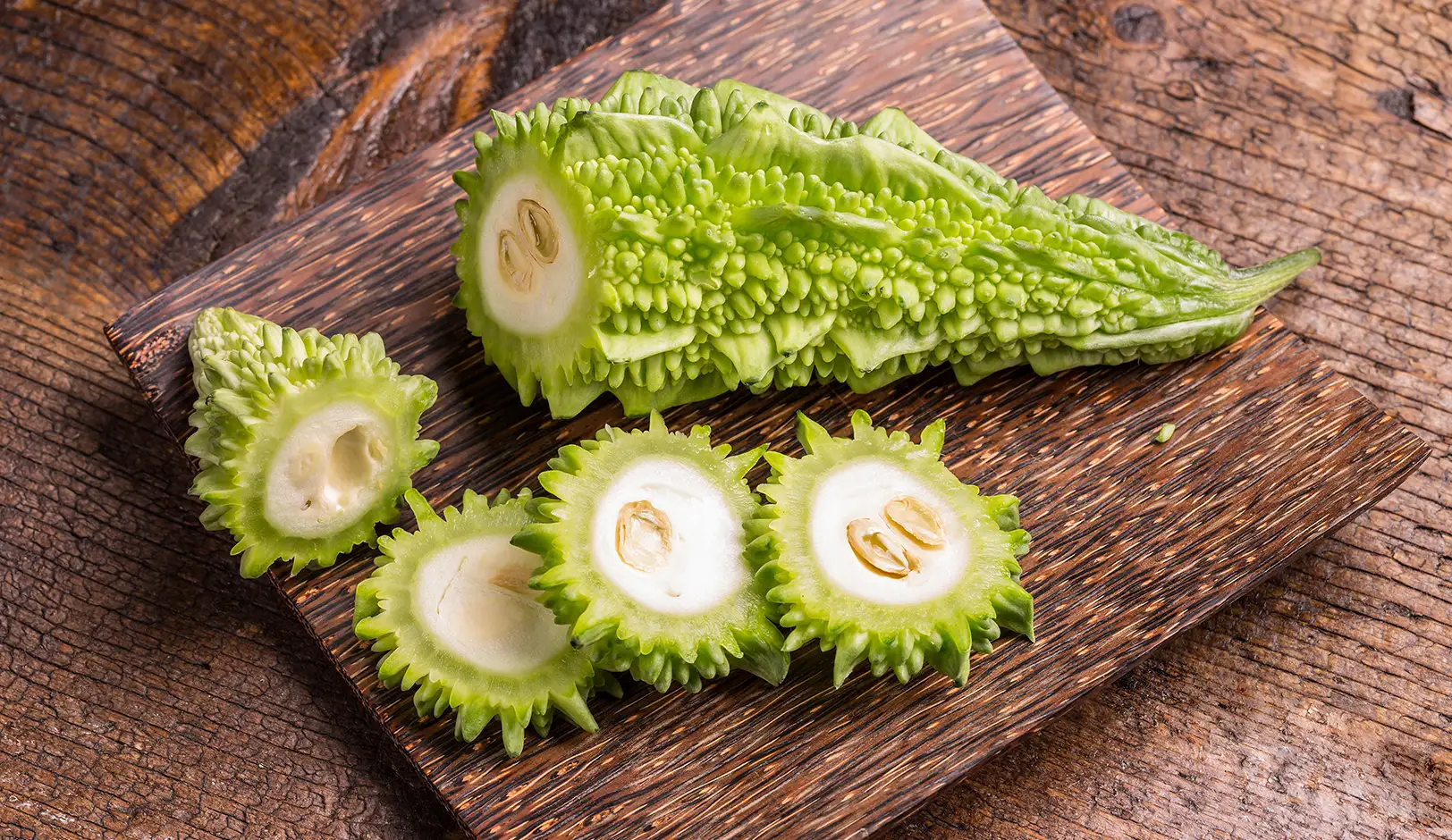
Bitter melon (aka bitter gourd or karela) is a wrinkled, cucumber-shaped fruit with a distinctly bitter taste. Chinese bitter melon tends to have a lighter green color and broader ridges, while Indian varieties often have darker skin and more pronounced ridges. Salting or blanching the flesh can temper its bitterness before cooking.
Especially common in Indian and Southeast Asian cuisines, cooks often pair the vegetable with richer or sweeter ingredients to balance its sharp flavor. Try it in a stir-fry with eggs or a curry.
8. Bok choy
Type of vegetable: Leafy green
Species: Brassica rapa subsp. chinensis
Seasonality: Year-round, with peak seasons in spring and fall
Bok choy is a type of Chinese cabbage with crisp white stalks and dark green leaves. It has a fresh and earthy flavor with stalks that offer a satisfying crunch. Mature bok choy tends to taste peppery, while baby bok choy brings a mild sweetness.
The cabbage is a popular addition to soups like ramen, pho and malatang. You can also throw in scallions, mushrooms, bamboo shoots, spinach and the protein of your choice to round out your bowl.
9. Broccoli
Type of vegetable: Cruciferous
Species: Brassica oleracea var. italica
Seasonality: Year-round, with peak seasons in fall and winter
Broccoli is a cruciferous vegetable with dense green florets and an edible stalk. It has a grassy, slightly bitter flavor that develops a sweeter, roasted character when cooked at high heat.
Calabrese is the variety you’ll most often see at the grocery store, but there’s also a violet variety that’s smaller, and subtly sweet and peppery. You can eat both raw, steamed, sautéed, boiled, roasted or pan-seared.
You can also incorporate them into pasta and stir-fry dishes.
10. Broccolini
Type of vegetable: Cruciferous
Species: Brassica oleracea × Brassica rapa
Seasonality: Year-round
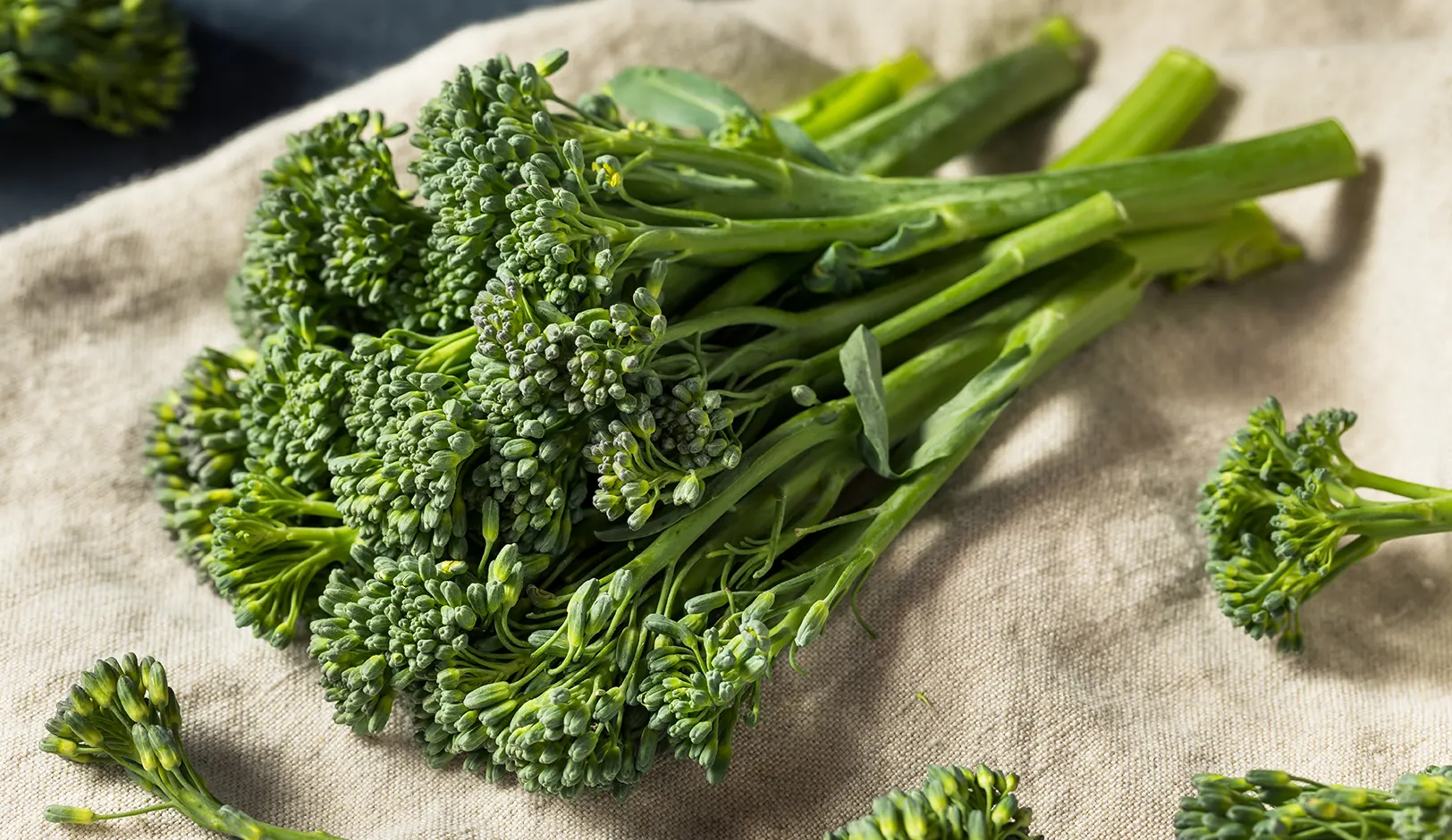
Broccolini is a hybrid of broccoli and Chinese broccoli. It has long, slender stalks topped with small florets and a sweeter flavor than standard broccoli. The entire vegetable is edible, including the leaves and stalks. Try roasting it with garlic and lemon or searing it in a hot pan until the edges pick up some char.
11. Brussels sprouts
Type of vegetable: Cruciferous
Species: Brassica oleracea var. gemmifera
Seasonality: Fall and winter
Brussels sprouts are small, cabbage-like buds that grow along a thick central stalk. They have an earthy, slightly bitter flavor that becomes sweeter and more caramelized when roasted. Smaller sprouts tend to have a softer texture and less bitterness.
Roast them with bacon to cut some of the bitterness, or sauté them with apples for a seasonal side.
12. Cabbage
Type of vegetable: Cruciferous
Species: Brassica oleracea
Seasonality: Year-round, with peak seasons in fall and winter
Cabbage comes in several forms, from the tightly packed green and red heads found in most grocery stores to crinkly Savoy cabbage and delicate napa cabbage.
Raw green cabbage has a crispness that softens when cooked, making it the perfect wrapper for stuffed cabbage rolls. But you can also ferment it into sauerkraut, or shred it for fish tacos and slaws.
13. Carrot
Type of vegetable: Root
Species: Daucus carota subsp. sativus
Seasonality: Year-round, with peak seasons in spring and fall
Carrots are known for their natural sweetness and bright orange color, though there are also purple, yellow, red and white varieties.
Young carrots are harvested early and have a crisp texture and sweeter flavor. Mature carrots develop a sweeter taste that’s good in carrot cake or topped with a honey glaze.
You can also go for baby carrots, which are actually mature carrots that producers peel and cut into their familiar small shape. These are great snacks for kids and get-togethers when served with dips like ranch, hummus, tahini and tzatziki.
14. Cassava
Type of vegetable: Tuberous root
Species: Manihot esculenta
Seasonality: Year-round
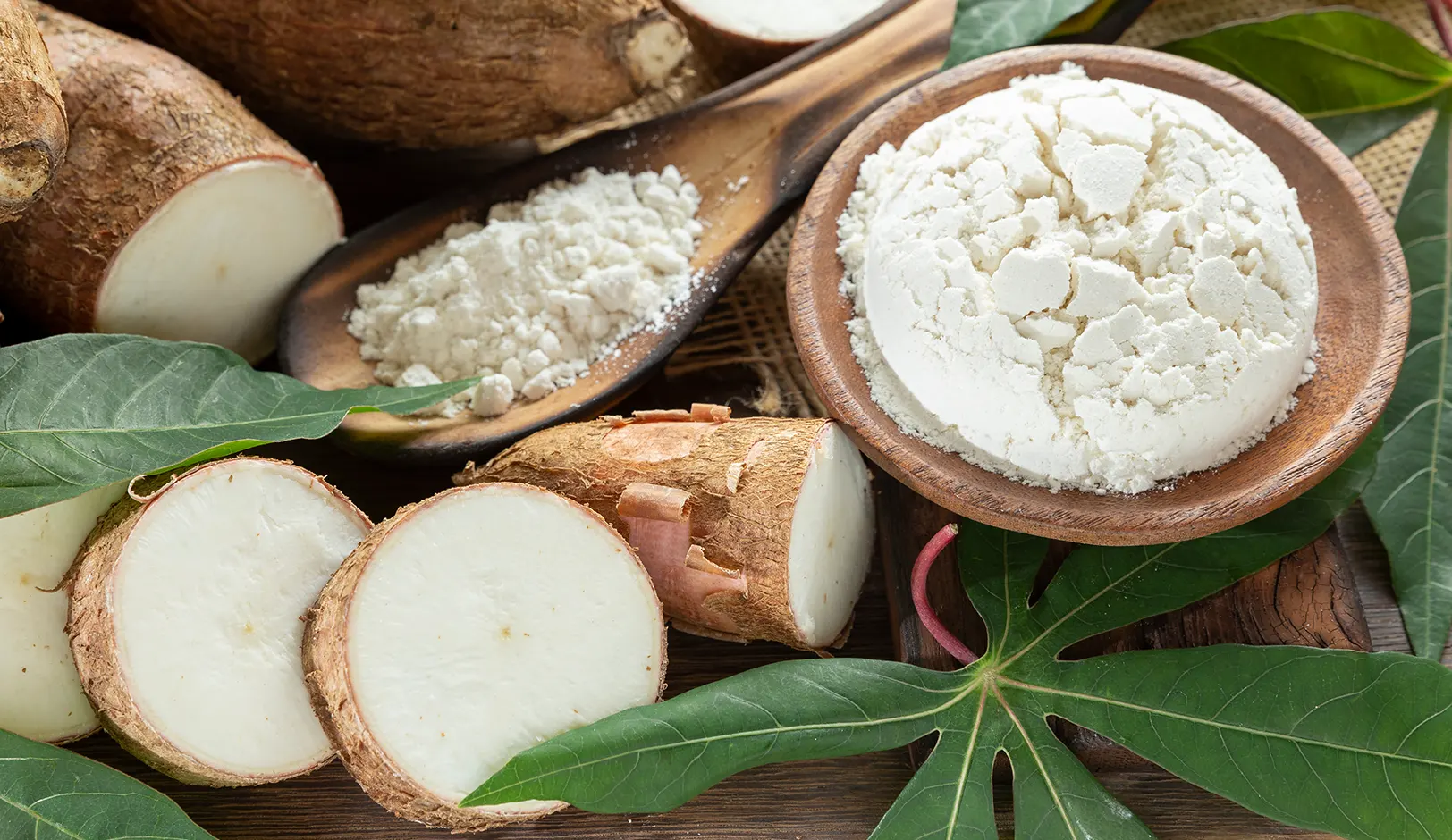
Cassava, also called yucca or manioc, is a starchy root with a somewhat neutral flavor. Because of this, it commonly pairs with well-seasoned dishes.
Sweet cassava is the type most commonly sold as food since bitter cassava requires careful processing before eating.
Peel and cook cassava thoroughly before serving it. You can boil and mash it like potatoes, fry it into yuca fries or use it to make foods such as cassava cake, flatbreads and fufu.
15. Cauliflower
Type of vegetable: Cruciferous
Species: Brassica oleracea var. botrytis
Seasonality: Year-round, with peak seasons in fall and winter
Cauliflower comes in many colors, but it's best known for its compact white head. Its flavor is relatively subtle when raw and takes on a sweeter, more savory character as it roasts.
Try roasting a whole head with spices for a centerpiece, or turn the florets into buffalo cauliflower for a snack with some heat. You can also mash cooked cauliflower as an alternative to mashed potatoes.
16. Celery
Type of vegetable: Stalk
Species: Apium graveolens
Seasonality: Year-round, with peak seasons in summer and fall
Celery has crunchy, watery stalks with a distinctive vegetal flavor and slight bitterness. The leaves are edible too, and you can treat them as an herbal garnish, much like parsley or cilantro.
As for the celery stalks, they make a great aromatic base for dishes such as Cajun gumbo and chicken noodle soup. For a simple kid-friendly snack, you can also fill them with peanut butter and raisins or pretzels to make ants on a log.
17. Collard greens
Type of vegetable: Leafy green, cruciferous
Species: Brassica oleracea var. viridis
Seasonality: Year-round, with peak seasons in fall and winter
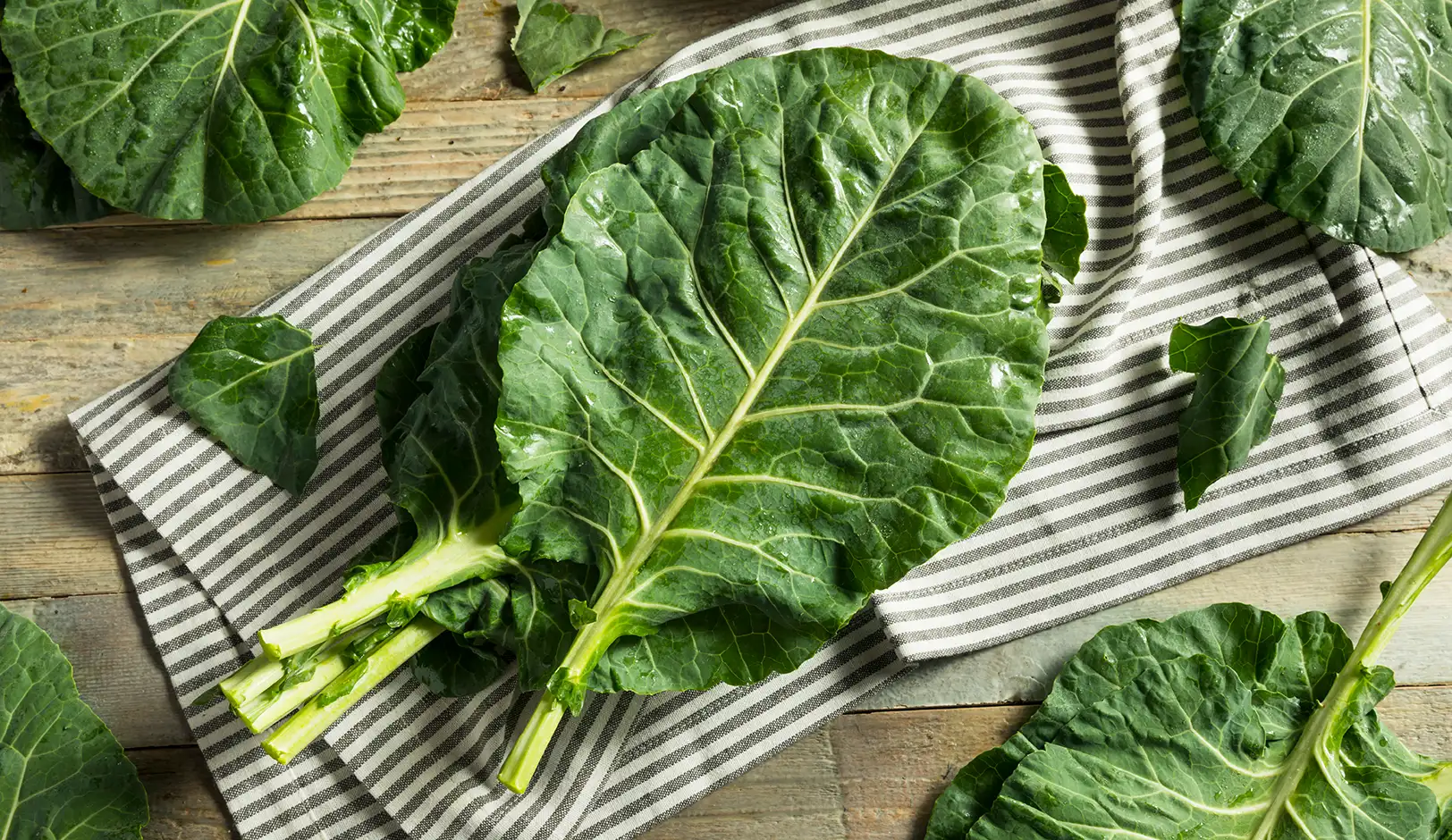
Collard greens have sturdy, broad leaves and are from the same species as cabbage and broccoli. Their slightly bitter flavor softens during slow cooking, and they’re a familiar ingredient in Southern cooking. Simmer them with smoked turkey or ham for a traditional side dish, or use the raw leaves as sturdy wraps for sandwiches and fillings.
18. Corn
Type of vegetable: Grain (culinarily used as a vegetable)
Species: Zea mays
Seasonality: Summer
Sweet corn, also known as maize, is technically a grain. However, the USDA treats it as a starchy vegetable because it's eaten when young and tender, before it ages into a true grain.
Its kernels are juicy and naturally sweet with a flavor that intensifies during cooking. Look for yellow, white and bicolor ears during summer.
You can grill or boil corn on the cob and finish it with cream, cheese, lime or chili. Or, you can cut the kernels off and use them for creamed corn or succotash.
19. Cucumber
Type of vegetable: Fruit (used as a vegetable)
Species: Cucumis sativus
Seasonality: Summer
Cucumbers are crisp, watery fruits with a cool, refreshing flavor. English cucumbers have thin skins and fewer seeds, while smaller Persian cucumbers tend to have a firmer crunch.
Slice them for Greek salad or tzatziki, pickle them for a tangy snack or blend them into chilled soups like gazpacho. Their refreshing texture also makes them a natural addition to sandwiches and sushi.
20. Dandelion greens
Type of vegetable: Leafy green
Species: Taraxacum officinale
Seasonality: Spring and fall
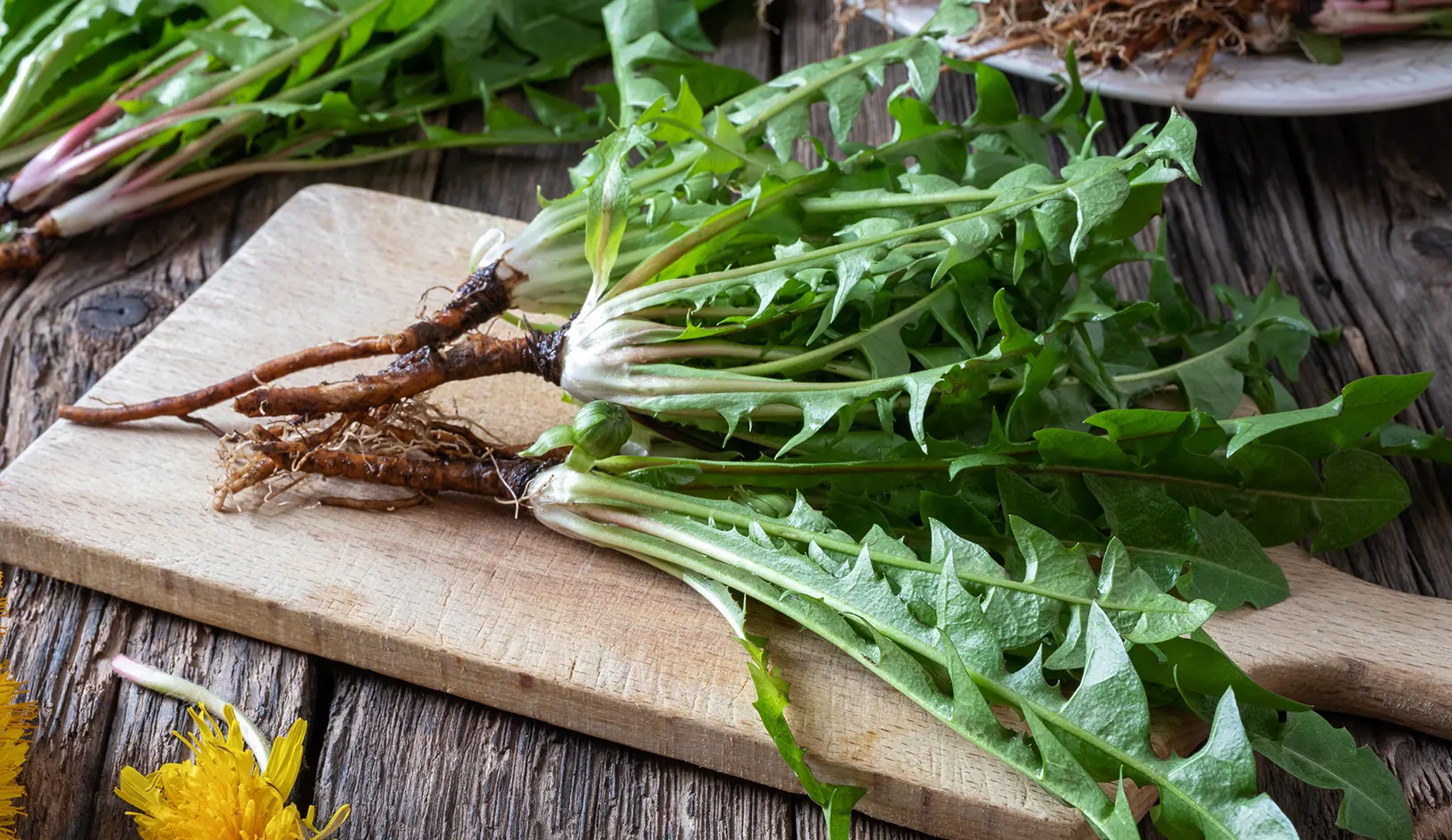
You might’ve grown up hearing that dandelions are weeds, but they’re more than that. Their leaves, called dandelion greens, are actually a food.
They have a distinctly bitter, earthy flavor that becomes more pronounced as the leaves mature. Young leaves are best raw, while older greens hold up better to cooking.
These greens go well with bacon, pancetta, steak, fatty fish and eggs. And if they’re too bitter for your palate, you can serve with sweeter ingredients like pears, apples, figs, pomegranate, maple syrup, sweet potatoes, oranges and glazed nuts.
21. Edamame
Type of vegetable: Legume
Species: Glycine max
Seasonality: Late summer and early fall
Edamame are immature soybeans harvested before the beans fully harden. You’ll usually find them frozen in the pod or shelled, but you can also get them fresh between July and October.
The vibrant green legume is firm and dense with a buttery flavor.
If you buy them in the pod, steam or boil them, then squeeze the beans directly into your mouth. Or, you can pop them in a bowl and top with a soy, sesame, garlic or peanut sauce.
22. Eggplant
Type of vegetable: Fruit (used as a vegetable)
Species: Solanum melongena
Seasonality: Summer and early fall
Eggplant is a nightshade that comes in many shapes, sizes and colors. The large, deep-purple globe variety is the one you’ll most often see in U.S. grocery stores. This variety of eggplant has a spongy texture that absorbs sauces and seasonings as it cooks. Roast it for baba ganoush or layer it into eggplant Parmesan.
Some other varieties with less sponginess include Japanese and Chinese eggplants. These are long and slender, with finer-textured flesh, making them well-suited to dishes such as stir-fries and curries.
23. Florence Fennel
Type of vegetable: Bulb
Species: Foeniculum vulgare var. azoricum
Seasonality: Fall through spring
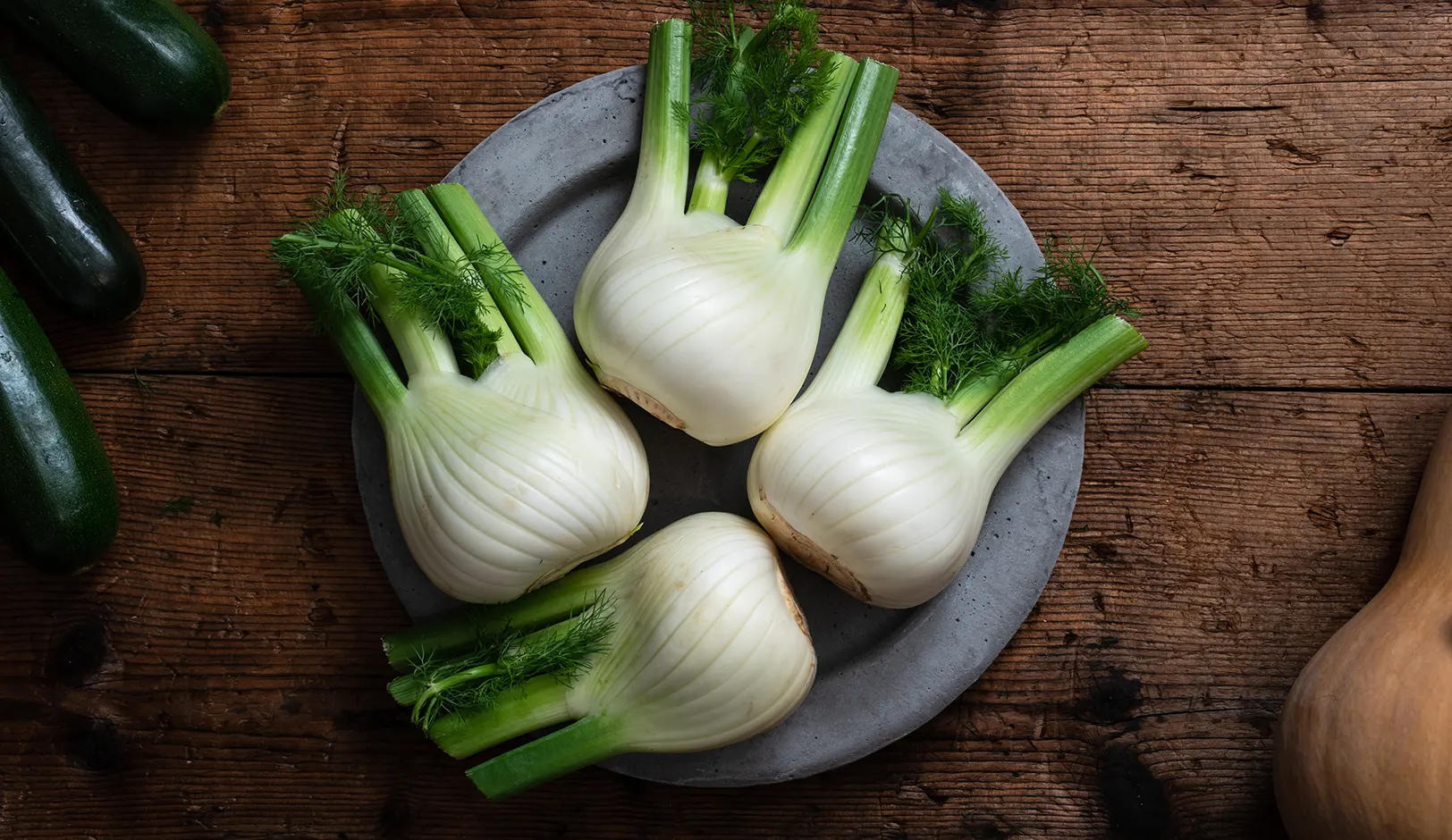
Florence fennel, also called finocchio, develops a bulb made from overlapping leaf bases with feathery fronds on top. The fennel bulb has a crisp texture and a citrusy licorice-like flavor that becomes sweeter and softer when cooked.
Shave it thin for a citrusy fennel salad, or roast the wedges alongside chicken or fish. Save the fronds for a delicate seafood and citrus salad garnish.
24. Garlic
Type of vegetable: Bulb, allium
Species: Allium sativum
Seasonality: Summer and fall
Garlic grows as a bulb made up of individual cloves. Eaten raw, it has a sharp and pungent bite. But cooking tones down the flavor and adds depth to whatever you’re cooking.
Roast a whole bulb and squeeze out the softened cloves for a spreadable condiment or use fresh garlic in sauces and marinades.
25. Green Beans
Type of vegetable: Legume
Species: Phaseolus vulgaris
Seasonality: Summer and early fall
Green beans, also called snap beans or string beans, are immature bean pods that you can eat whole. Most grocery-store varieties have smooth green pods, but yellow wax beans and purple varieties add different colors to the plate. Their crisp texture works well in a classic green bean casserole, and blanching them before tossing them into a salad keeps them bright and crunchy.
26. Iceberg lettuce
Type of vegetable: Leafy green
Species: Lactuca sativa
Seasonality: Year-round
Iceberg lettuce forms a dense, round head of pale green leaves with an exceptionally crisp texture. Its flavor is mild enough to let other ingredients take the lead, which helps explain its long-running role in chopped salads and sandwiches. Use whole leaves as burger and taco toppers, or chop the head for a wedge salad with blue cheese dressing and bacon.
27. Jalapeño Pepper
Type of vegetable: Fruit (used as a vegetable)
Species: Capsicum annuum
Seasonality: Summer and early fall
Jalapeños are green chili peppers with moderate heat. Pickers often harvest them while green, but if they’re left to ripen and turn red, they yield a sweeter flavor.
Slice them over nachos or tacos for a kick, or pickle them for a tangy topping. Removing the seeds and inner membranes can reduce some of the heat.
28. Jícama
Type of vegetable: Root
Species: Pachyrhizus erosus
Seasonality: Year-round, with peak season in late fall and winter
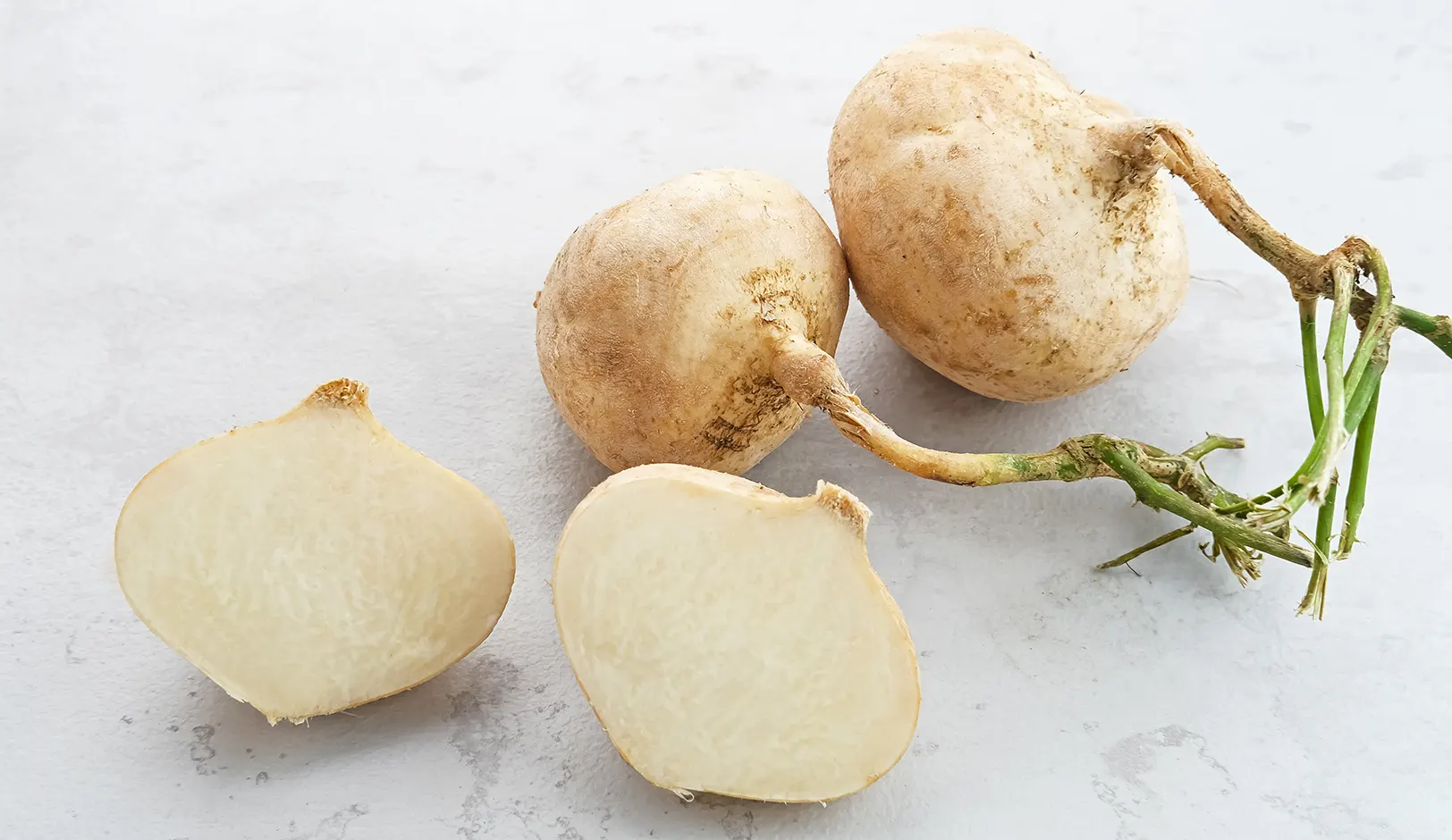
Jícama has a rough brown exterior that hides crisp, white flesh with a texture somewhere between an apple and a water chestnut. Its flavor is subtly sweet and refreshing, which makes it particularly useful in raw dishes. Cut it into sticks with lime and chili for a Mexican-inspired snack, or add it to slaws for extra crunch.
29. Kale
Type of vegetable: Leafy green, cruciferous
Species: Brassica oleracea
Seasonality: Fall through spring
Kale comes in several varieties, including curly kale, lacinato kale and red Russian kale. Its flavor tends toward the earthy and bitter, with sturdy leaves that can withstand longer cooking than many salad greens.
Massage raw kale with dressing to soften it for salads, or simmer the leaves in soups and stews. Lacinato kale also works particularly well in ribollita, the Tuscan bread soup.
30. Kohlrabi
Type of vegetable: Stem
Species: Brassica oleracea var. gongylodes
Seasonality: Spring and fall
Kohlrabi looks a little like a turnip that grew above ground, but the round portion is actually an enlarged stem. Both the bulbous stem and leaves are edible.
When you peel the skin, you’ll discover a mild, cabbage-like flavor with a hint of sweetness that tastes even better with a sprinkling of salt. You can also slice it for a crunchy salad or roast the edges until they turn brown, and the center softens.
31. Leeks
Type of vegetable: Allium
Species: Allium ampeloprasum var. porrum
Seasonality: Fall through spring
Leeks belong to the allium family alongside onions and garlic, but their flavor is softer and sweeter, especially after cooking. The white and light-green portions are the most commonly used, though you can save the darker green leaves for stock.
Sauté sliced leeks as a base for soups and sauces, or let them take the lead in dishes like potato-leek soup and leek quiche.
32. Mushrooms
Type of vegetable: Fungus (culinarily used as a vegetable)
Species: Various species
Seasonality: Year-round
Mushrooms aren’t technically vegetables, but they earn a place on the produce list for their earthy flavor and meaty texture. Portobellos have a particularly firm texture that makes them well-suited to grilling. Other varieties bring their own character to the kitchen.
Shiitakes have a rich, woodsy flavor that works well in miso soup and noodle dishes. Oyster mushrooms develop crisp, browned edges when sautéed, making them a good choice for risotto or as a savory side dish.
33. Napa cabbage
Type of vegetable: Cruciferous, leafy green
Species: Brassica rapa subsp. pekinensis
Seasonality: Year-round, with peak seasons in fall and winter
Napa cabbage has elongated heads with pale green leaves and thick white ribs. Its leaves have a softer texture and sweeter flavor than green cabbage, making them useful both raw and cooked.
Napa cabbage is the traditional cabbage used for kimchi, but you can also use it in dumpling fillings or in stir-fries.
34. Okra
Type of vegetable: Fruit (used as a vegetable)
Species: Abelmoschus esculentus
Seasonality: Summer and early fall
Okra is a green, ridged seed pod with a grassy flavor and a famously slippery texture inside. That mucilaginous quality thickens liquids, which makes okra particularly useful in dishes like gumbo. If you prefer a drier texture, cook whole pods over high heat on the grill or in a hot skillet. Pickled okra also makes a crunchy, tangy snack.
35. Onion
Type of vegetable: Bulb, allium
Species: Allium cepa
Seasonality: Year-round
Onions come in several varieties, each suited to different jobs in the kitchen. Yellow onions develop a deep sweetness when cooked slowly, red onions have a sharper bite that works well raw and white onions bring a clean, pungent flavor to fresh salsas.
Caramelize yellow onions for French onion soup, or use raw red onions to add crunch and bite to tacos and sandwiches.
36. Parsnip
Type of vegetable: Root
Species: Pastinaca sativa
Seasonality: Fall through winter
Parsnips look like pale carrots, but their flavor sets them apart. They have a naturally sweet, earthy taste with a subtle nuttiness that becomes more pronounced after roasting.
Roast them alongside a chicken or blend them into a creamy soup. Their sweetness also works particularly well with warm spices such as nutmeg and ginger.
37. Poblano pepper
Type of vegetable: Fruit (used as a vegetable)
Species: Capsicum annuum
Seasonality: Summer and early fall
Poblano peppers are dark green chiles with a rich, slightly smoky flavor and relatively low heat. Their broad shape makes them especially useful for stuffing. Roast, then peel poblanos for chile rellenos, or chop them into rajas with onions and cream for a classic Mexican preparation. Dried poblanos are known as ancho chiles and have a deeper, sweeter flavor.
38. Potato
Type of vegetable: Tuber
Species: Solanum tuberosum
Seasonality: Year-round, with peak seasons in late summer and fall
Potatoes come in hundreds of varieties, with differences in starch content, texture and skin color that affect how they cook. Russets have a high starch content that makes them fluffy when baked or mashed, while waxier varieties hold their shape in dishes such as potato salad.
For a naturally buttery mash, use Yukon Golds, or roast fingerling potatoes whole for crisp edges and creamy centers.
39. Pumpkin
Type of vegetable: Fruit (used as a vegetable)
Species: Cucurbita spp.
Seasonality: Fall
Pumpkin is a type of winter squash, and the varieties grown for eating can look quite different from the large orange pumpkins used for carving.
Sugar pumpkins have dense flesh with a naturally sweet, earthy flavor. Roast the flesh for pumpkin soup or purée it into a pie filling. You can also roast the seeds with salt and spices for a crunchy snack.
40. Radish
Type of vegetable: Root
Species: Raphanus sativus
Seasonality: Spring and fall
Radishes are crisp root vegetables with a peppery bite that can range from gentle to quite sharp. Red globe radishes are familiar in most grocery stores, but daikon has a longer shape and milder flavor, and watermelon radishes reveal vivid pink centers when sliced. Eat them raw for crunch, roast them to mellow their bite or pickle them for tacos and bánh mì.
41. Romanesco
Type of vegetable: Cruciferous
Species: Brassica oleracea var. botrytis
Seasonality: Fall and winter
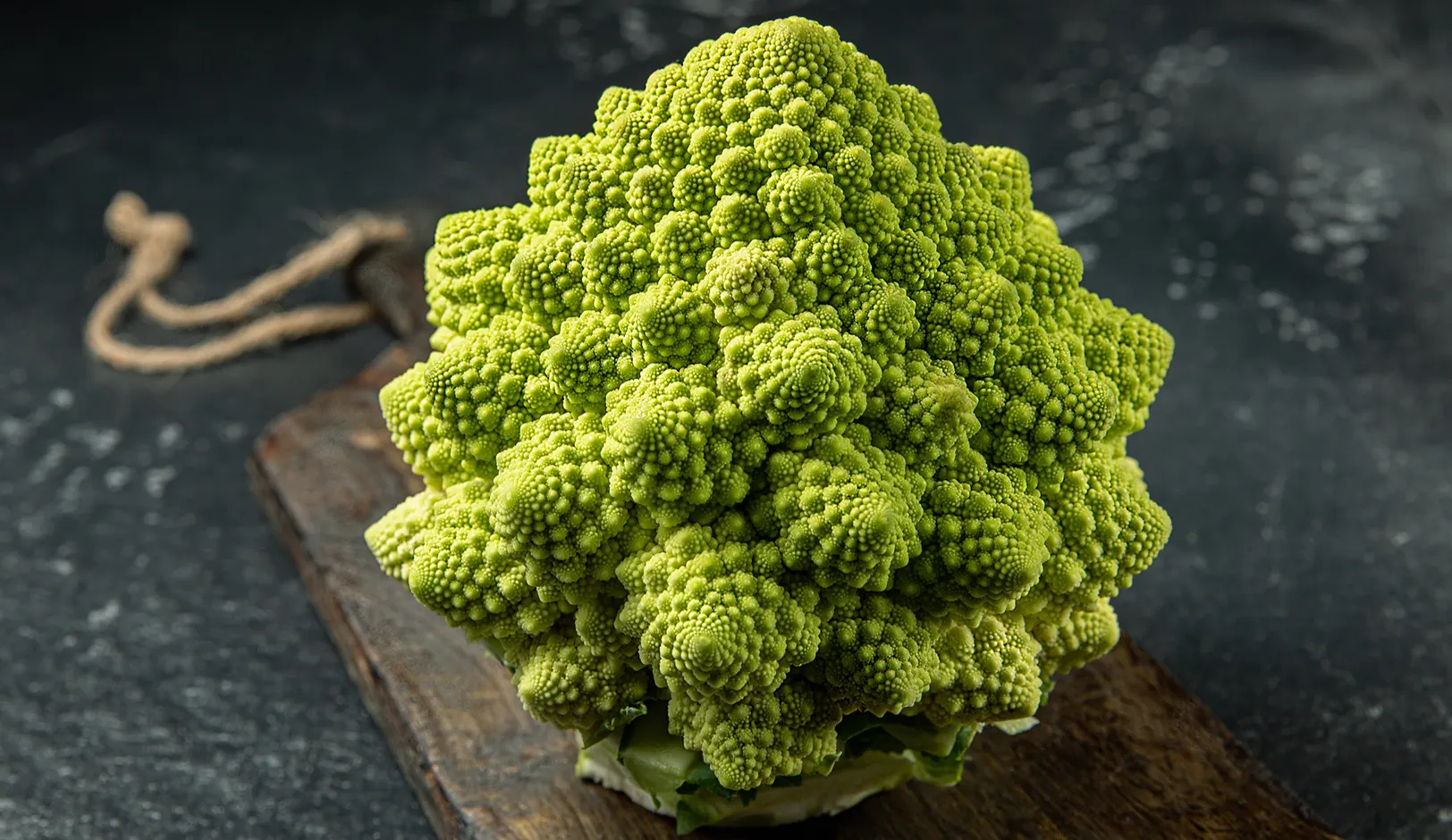
Romanesco, sometimes called broccoflower, looks almost geometric, with tightly packed green florets arranged in spiraling cones. It belongs to the same species as cauliflower and broccoli, with a slightly nutty-sweet flavor falling somewhere between the two.
Roast the florets until the tips brown, or blanch them briefly and serve them with a lemony vinaigrette. The vegetable’s striking appearance also makes the broccoflower worth serving whole or in large pieces rather than chopping it too finely.
42. Romaine Lettuce
Type of vegetable: Leafy green
Species: Lactuca sativa var. longifolia
Seasonality: Year-round
Romaine lettuce has long, sturdy leaves with crisp ribs and a slightly bitter, refreshing flavor. Its structure makes it particularly useful for salads that need some crunch, including the classic Caesar. You can also grill whole romaine hearts until the edges char, or use the leaves as sturdy wraps.
43. Scallions
Type of vegetable: Allium
Species: Allium fistulosum
Seasonality: Year-round, with peak seasons in spring and summer
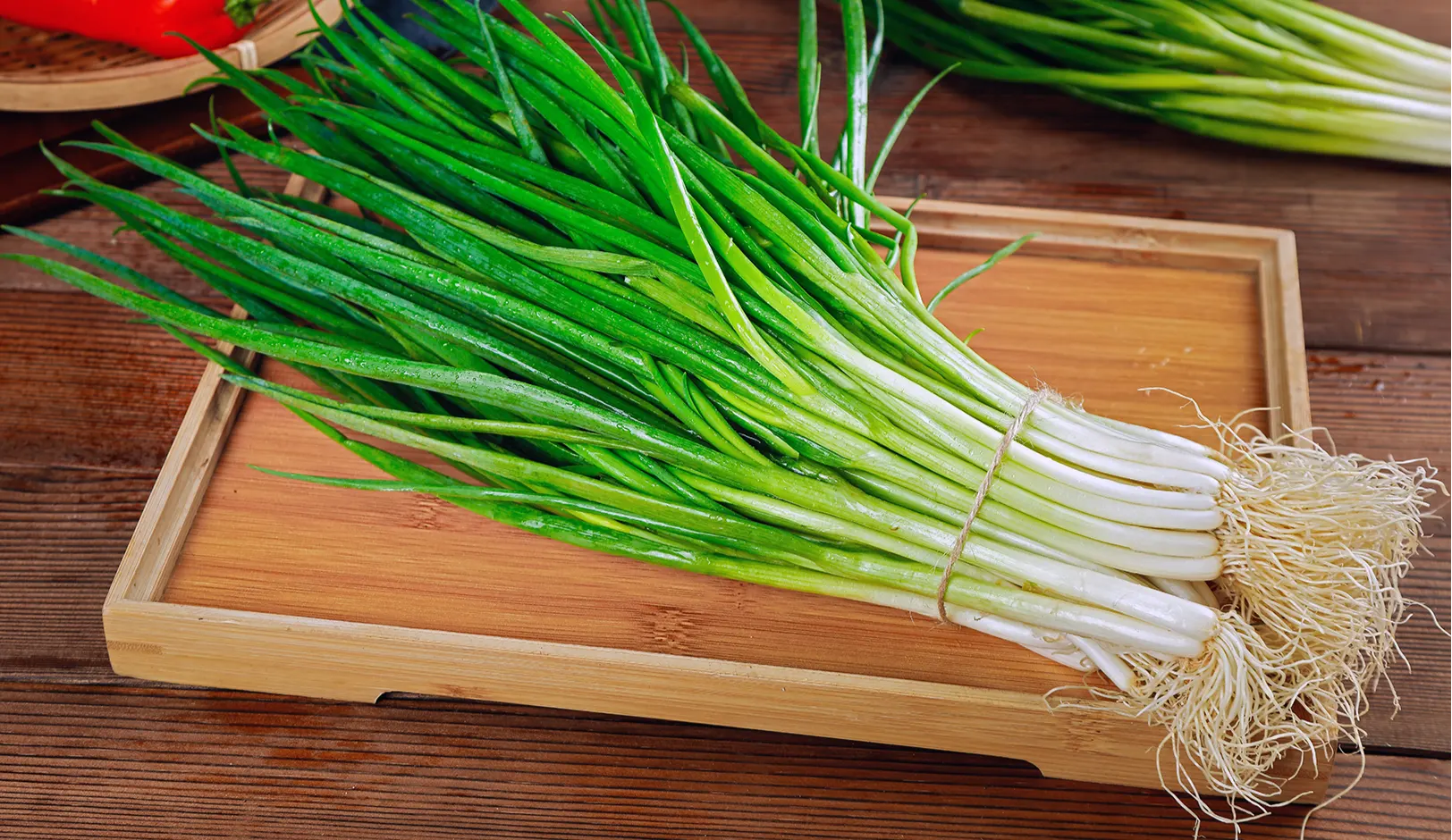
Scallions, also called green onions, have slender white bulbs and green stalks with a fresh onion flavor. The green tops have a softer bite than the white portion, and you can use both parts. Sprinkle sliced scallions over fried rice or noodles, fold them into scallion pancakes or use them as a fresh finish for soups and dips.
44. Shallots
Type of vegetable: Bulb, allium
Species: Allium cepa Aggregatum Group
Seasonality: Year-round, with peak season in summer
Shallots resemble small onions but have a more delicate flavor with a hint of garlic. They become sweet and deeply caramelized when cooked, which makes them especially good for sauces and roasted dishes. Fry thinly sliced shallots until crisp for a topping on green bean casserole, or roast whole shallots alongside meat.
45. Snap Peas
Type of vegetable: Legume
Species: Pisum sativum var. macrocarpon
Seasonality: Spring and early summer
Snap peas, also called sugar snap peas, are plump pea pods that you can eat whole. Their crisp pods have a fresh sweetness that makes them enjoyable raw, especially with a dip. They also hold their crunch when quickly stir-fried or sautéed.
46. Spinach
Type of vegetable: Leafy green
Species: Spinacia oleracea
Seasonality: Spring and fall
Spinach has soft leaves with an earthy, slightly sweet flavor that becomes more pronounced when cooked. Baby spinach works well in salads because of its delicate texture, while mature spinach can handle the heat of a skillet. Fold it into creamed spinach, wilt it into dal or add a handful to scrambled eggs.
47. Squash
Type of vegetable: Fruit (used as a vegetable)
Species: Cucurbita spp.
Seasonality: Summer and fall, depending on variety
Squash covers a broad group of fruits, including summer varieties such as yellow squash and zucchini, as well as winter varieties such as butternut and acorn squash. Summer squash has soft, edible skin and a delicate flavor, while winter squash develops denser, sweeter flesh.
Sauté yellow squash with herbs for a quick side, or roast butternut squash for soup and grain dishes.
48. Sweet Potato
Type of vegetable: Tuberous root
Species: Ipomoea batatas
Seasonality: Fall and winter
Sweet potatoes have dense flesh with a naturally sweet, earthy flavor. Orange-fleshed varieties are common in U.S. grocery stores, but you can also find white- and purple-fleshed types with different textures and flavors.
Bake them whole and load them with savory toppings, or cut them into wedges for sweet potato fries. Sweet potatoes also make a rich filling for pies and other desserts.
49. Swiss Chard
Type of vegetable: Leafy green
Species: Beta vulgaris var. cicla
Seasonality: Spring through fall
Swiss chard has broad green leaves attached to colorful stems that range from white to red, yellow and pink. The leaves have an earthy flavor with a slight bitterness, while the stems have a sweeter, crunchy quality. Separate the stems from the leaves and sauté them first so they have more time to soften. Chopped chard also works well in frittatas and savory pies.
50. Taro
Type of vegetable: Tuber
Species: Colocasia esculenta
Seasonality: Year-round
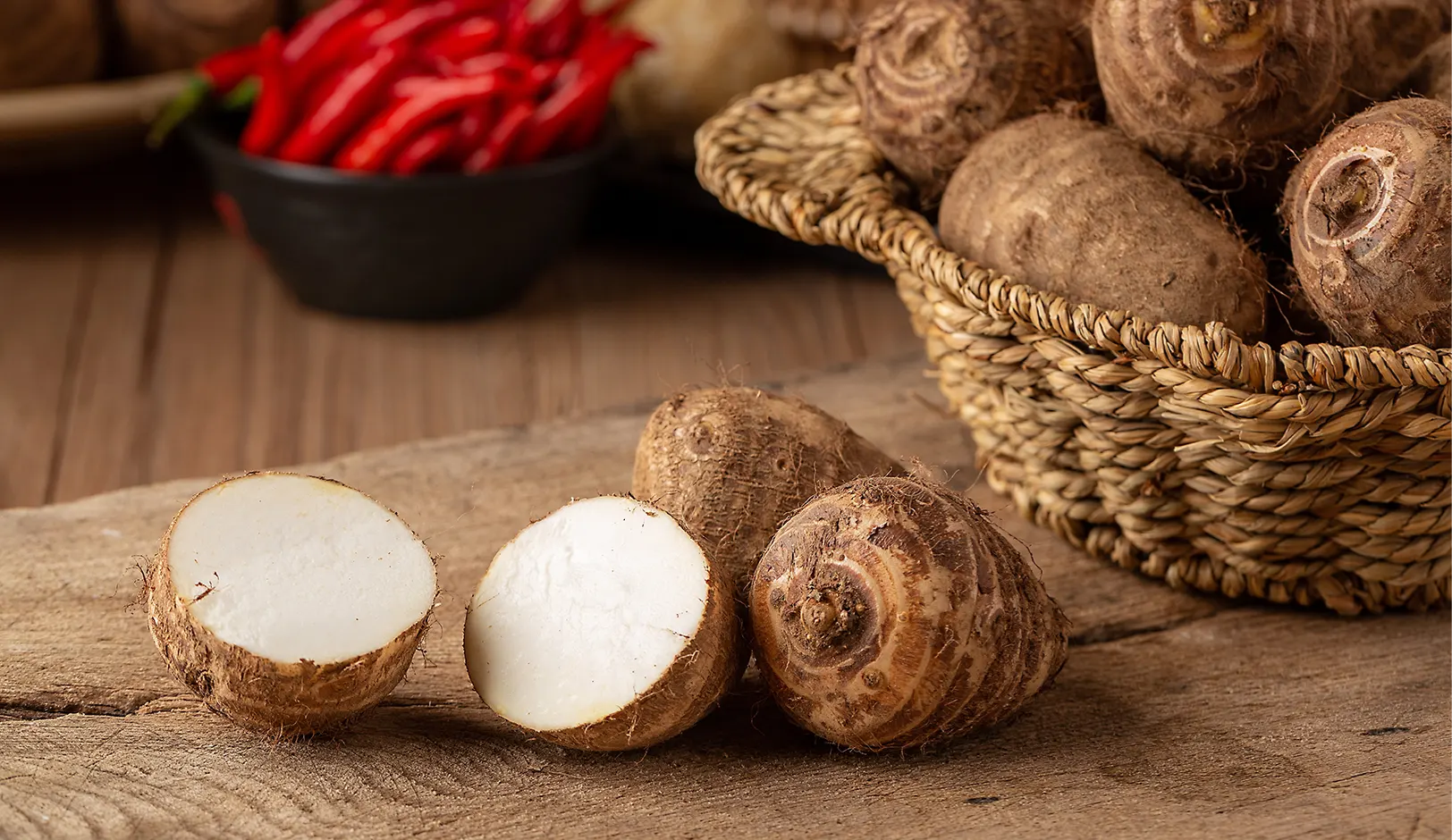
Taro is a starchy underground corm with brown, rough skin and pale flesh marked by tiny purple flecks. When cooked, the texture is dense and creamy, with a subtle flavor that takes well to savory seasonings.
This root vegetable appears in dishes and beverages across Asia and the Pacific Islands, including Hawaiian poi and Taiwanese taro milk tea. You can also boil and mash it or fry slices until crisp.
51. Tomatillo
Type of vegetable: Fruit (used as a vegetable)
Species: Physalis philadelphica
Seasonality: Summer and fall
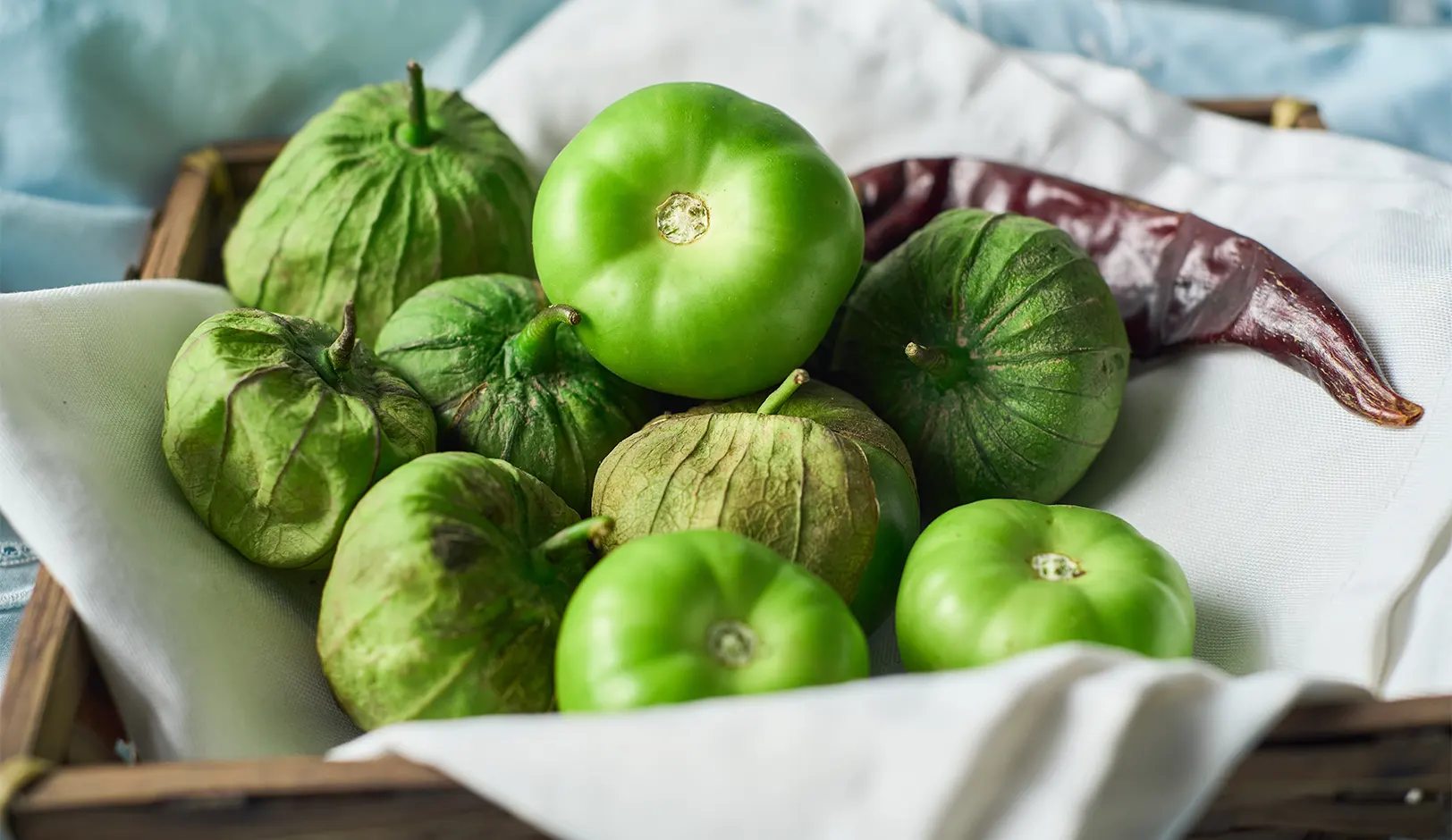
Tomatillos look like small green tomatoes, but their papery husks and tart, citrusy flavor set them apart. The fruit feels slightly sticky after you remove the husk, so rinse it before using. Roast tomatillos for salsa verde, or simmer them with pork for chile verde.
52. Tomato
Type of vegetable: Fruit (used as a vegetable)
Species: Solanum lycopersicum
Seasonality: Summer, with greenhouse-grown varieties available year-round
Tomatoes come in a wide range of shapes, sizes and colors, from tiny cherry tomatoes to large beefsteaks. Their flavor balances acidity with natural sweetness, though it varies considerably by variety and ripeness. Fresh tomatoes shine in Caprese salad and pico de gallo, while ripe tomatoes can also form the base of marinara sauce. Save especially flavorful summer tomatoes for eating raw, when their juices and acidity can take center stage.
53. Turnip
Type of vegetable: Root
Species: Brassica rapa
Seasonality: Fall and spring
Turnips have white roots with purple shoulders and a crisp texture when young. Their flavor is peppery and slightly bitter, with a sweetness that emerges during cooking. Mash them with potatoes for a lighter side or roast them with other root vegetables. Turnip greens are edible, too and have a stronger, more assertive flavor.
54. Watercress
Type of vegetable: Leafy green
Species: Nasturtium officinale
Seasonality: Spring and fall
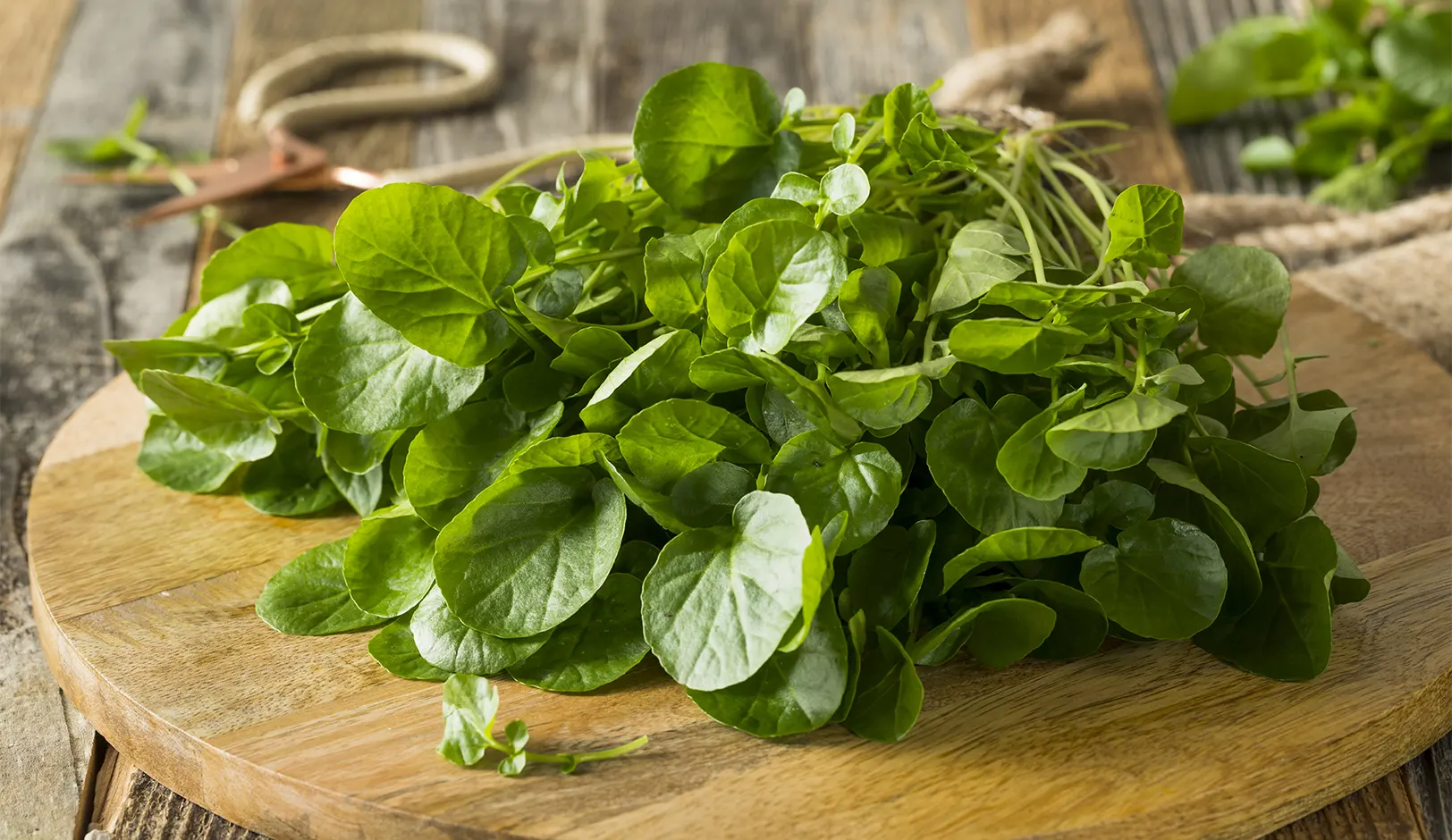
Watercress is an aquatic leafy green with small, rounded leaves and a peppery flavor reminiscent of arugula. Its delicate texture makes it a natural addition to fresh dishes, but it can also handle gentle cooking. Use it in a classic watercress soup, or tuck the leaves into tea sandwiches for a sharp, fresh bite.
55. Zucchini
Type of vegetable: Fruit (used as a vegetable)
Species: Cucurbita pepo
Seasonality: Summer
Zucchini is a type of summer squash with thin, edible skin and pale flesh. It has a delicate, slightly sweet flavor that works well with high-heat cooking. Slice it into rounds for grilling, spiralize it into zoodles or grate it into zucchini bread. Smaller zucchini tend to have fewer seeds and a firmer texture.
Order fresh vegetables through Instacart
When it comes to vegetables, the possibilities are endless.
Explore your options and place an order through Instacart. From weekly staples like potatoes, onions and lettuce to lesser-known items like kohlrabi and romanesco broccoli, you can find it all.